Best Magnetic Toys for Wholesale Buyers in 2026

Wholesale buyers evaluating Magnetic Toys in 2026 need more than bright colors and attractive packaging. They need products that hold up through repeated use, suit the intended age group, and arrive with clear product information. A loose connector, weak magnet, or confusing instruction sheet can turn a promising sample into a costly concern. Details matter.

As an illustrative sourcing expert—not a verified industry quotation—Maya Chen puts the buyer’s challenge this way: “A good magnetic toy should earn its place on the shelf through thoughtful design, dependable quality, and play value children return to.” Use that principle to compare construction, piece count, finish, packaging, and the supplier’s ability to provide consistent samples. Ask how magnets are enclosed and how finished products are checked. Then confirm that documentation matches the exact model you plan to order. Small differences can matter.

This guide explores Magnetic Toys wholesale buyers may consider in 2026, from magnetic building tiles to compact travel sets. It will also cover practical questions about minimum order quantities, customization, lead times, and sample evaluation. These are not glamorous topics. They shape the buying decision. Market preferences can shift, and a popular sample does not guarantee repeat sales. Buyers should weigh visual appeal against durability, storage needs, and the experience of opening the box. A careful shortlist is useful; it is not a substitute for checking each supplier and product directly.
Best Magnetic Toys for Wholesale Buyers in 2026

What Magnetic Toys Are and How Wholesale Markets Are Changing in 2026

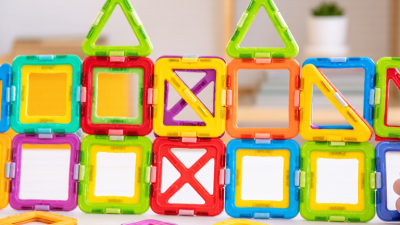
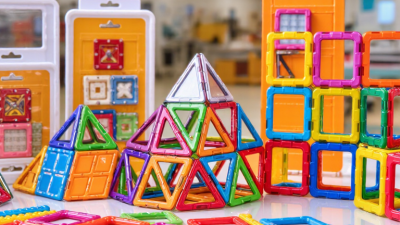
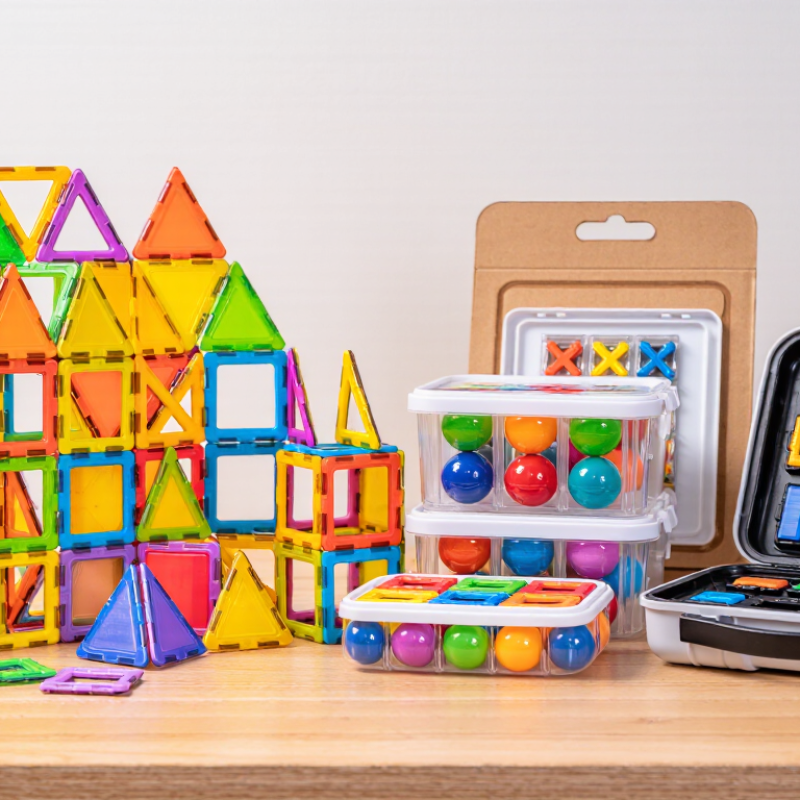
Magnetic toys use embedded magnets to let pieces connect, stack, or move together. Common formats include geometric tiles, rods with connectors, and magnetic puzzles. Their appeal is easy to see: a child can turn a handful of pieces into a bridge, tower, or oddly lopsided animal. The details matter, though. Buyers should inspect how magnets are enclosed, whether seams stay closed, and whether coatings resist wear.

In 2026, wholesale conversations increasingly involve more than unit price and color options. Retailers want clear age guidance, practical packaging, and product information that helps staff explain safe use. Buyers also compare case quantities, lead times, and the consistency of samples against later production. A bright sample is not enough. Ask suppliers how they check magnet retention and finish quality, and review test documentation for the intended sales market.

Demand can shift quickly between classroom sets, gift products, and open-ended play kits. That makes flexible assortments useful, but forecasting remains imperfect. I would not assume one popular shape will sell everywhere. A small trial order can reveal whether pieces feel sturdy, instructions are understandable, and packaging survives handling. It is a modest step, yet it can prevent a much larger guess.
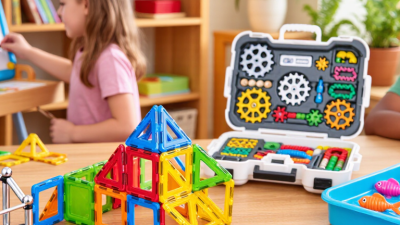
Which Magnetic Toy Types Serve Different Buyers and Age Groups

Best Magnetic Toys for Wholesale Buyers in 2026

Magnetic toys suit different buyers when product type, age range, and play setting align. Circana’s 2023 global toy market review reported sales fell 7%, while average selling prices rose 3%. That makes clear price tiers and practical use cases important for wholesale planning. Not every popular format will fit every shelf.

For preschoolers, choose chunky magnetic pieces that are easy to grip and store. Check age grading, secure magnet enclosures, and small-part warnings carefully. For primary-school children, magnetic tiles and construction sets offer open-ended building, with piece counts that support classroom or family use. They need tidy storage, too. For older children and school programs, geometry sets, magnetic boards, and structured STEM kits can serve guided activities. Buyers should compare instructions, replacement-piece availability, and the complexity of the build.

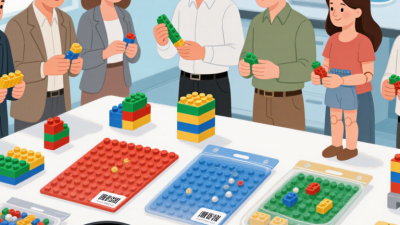
Gift shops may prefer compact sets with simple packaging; educational suppliers often need durable, repeat-use kits. I would test both. A higher piece count can look attractive on a wholesale sheet, but it may bring more sorting, missing parts, and support questions. A sample review with real users can reveal those issues before a large order. Magnetic toys require extra care: verify safety documentation for the destination market, and make magnet security visible in supplier checks.

How to Assess Safety, Materials, and Regulatory Compliance

For magnetic toys, safety starts with the magnet, not the packaging. CPSC analysis estimated about 2,400 emergency-department visits related to magnet ingestion from 2017 to 2021. That figure makes magnet retention and age grading practical purchasing checks, not paperwork. Ask suppliers for test reports covering magnet pull strength, enclosure integrity, and repeated drop or impact testing. Small parts matter. Inspect samples after rough handling: cracked housings, loose discs, sharp seams, and flaking paint can expose hazards. One sample is not enough.

Material claims need evidence. Request bills of materials and independent test reports for accessible coatings, plastics, and metals, including applicable limits for lead and restricted phthalates. For US sales, check the current CPSC requirements and ASTM F963 provisions; for other markets, verify the applicable national rules and test methods. CPSC’s 2022 magnet analysis is a useful risk reference, but it does not replace product-specific testing. Confirm that reports identify the exact model, material, and production site. A certificate with mismatched details is a warning sign. Keep batch records and arrange periodic testing when suppliers change materials or tooling. I would still recheck a proven design after a factory change; that step can feel repetitive, but small changes matter.

How to Compare Suppliers, Pricing, and Minimum Order Quantities

For wholesale buyers, a low unit price can hide costs that appear later. Compare quotes for the same magnet strength, piece count, dimensions, packaging, and finish. Ask whether prices include individual boxes, custom inserts, or export cartons. A sample is useful, but check it against the quoted production specification. Small differences matter. Ask suppliers for material details, available test reports, production lead times, and their process for handling defects. Clear, written answers are more useful than broad claims about quality.

Minimum order quantities can vary by color, design, and packaging, so request a breakdown for each option. Compare the cost at several order sizes, including the quantity you can realistically sell. A lower price at a much larger MOQ may tie up cash and leave slow-moving stock on your shelves. Check whether the supplier allows mixed designs or a paid pilot run. Also compare shipping, duties, payment terms, and any setup charges before judging the total cost. I would not treat one perfect sample as proof that every batch will match; production can vary, so agree on inspection criteria and remedies in writing.

How to Select a Wholesale Assortment for Your Target Market

Wholesale assortment planning should start with the buyer, not the product count. A preschool-focused shop may need large, easy-to-handle pieces and simple shapes; a school supplier may prefer sets that support pattern building and spatial reasoning. Circana reported that global toy sales fell 7% in 2023, showing why buyers should test demand before placing large orders. Treat that figure as market context, not a forecast for magnetic toys. Start with a small mix, track sell-through, then adjust colors, piece counts, and price points.

Check the details that shoppers notice at the shelf: clear age guidance, sturdy storage, useful example builds, and readable instructions. Ask suppliers for product testing records and consistent specifications across batches. The Toy Association’s 2024 trend report highlighted toys that encourage creativity and hands-on play; magnetic building sets can fit that interest when their designs offer varied ways to build. Keep entry-level sets affordable, but reserve space for larger kits with more pieces. Small test orders help. I would avoid overloading every box with the same basic shapes; that may look efficient on paper, yet leave shoppers with little reason to choose one set over another. After each season, compare sales by age range and price tier, and revise the assortment using actual order data.

Best Magnetic Toys for Wholesale Buyers in 2026

Compare an illustrative assortment-planning score by target market. Scores run from 1 (lower fit) to 5 (higher fit); they are planning estimates, not measured sales or market-share data.

Use the scores as a starting point for assortment discussions, then adjust for local age ranges, price points, safety requirements, and retailer demand.