How to Choose the Best Children Toys for Global Buyers?
Choosing the right toys for children can be challenging for global buyers. The market offers a vast range of Children Toys, each promising to enhance creativity, learning, and fun. As Dr. Emily Carter, a renowned child development expert, states, "Toys should not only entertain but also support a child's growth." This highlights the need for thoughtful selection.
When considering Children Toys, we must look beyond mere entertainment. Parents often feel overwhelmed by the endless options available. Some toys may seem appealing at first but lack educational value. Balancing fun with developmental benefits is crucial. Not all toys are equal; some may even lead to frustration or disengagement in children.
In today’s digital age, traditional toys sometimes clash with interactive technology. Buyers should reflect on the long-term impact of their choices. Selecting quality Children Toys requires insight and care. It’s not just about trends; it’s about what truly benefits a child’s development.
Identifying Age-Appropriate Toys for Different Developmental Stages
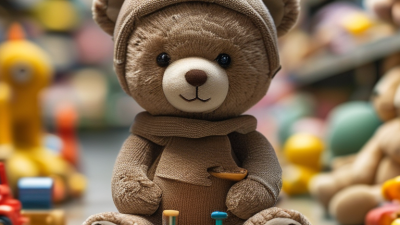
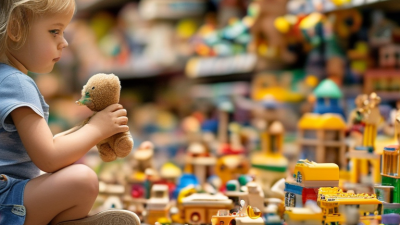
When selecting toys for children, it’s crucial to consider their developmental stages. Each age group has unique needs that influence their play and learning. For infants, toys that stimulate sensory exploration are ideal. Soft textures, bright colors, and safe sounds engage their curiosity. Toys like rattles or plush animals can also promote bonding and comfort.
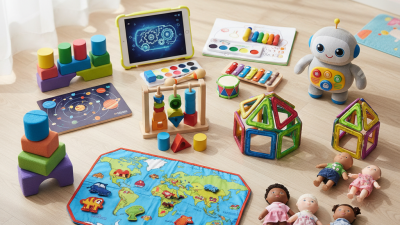
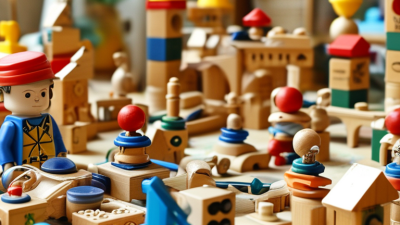
As children grow, their cognitive and physical skills develop rapidly. Toddlers benefit from toys that encourage movement and problem-solving. Building blocks, simple puzzles, and push-and-pull toys foster motor skills and hand-eye coordination. This stage is about exploration, and toys should inspire creativity while being safe for their developing abilities.
For preschoolers, imaginative play becomes important. Art supplies, dress-up costumes, and role-playing toys can enhance social skills. However, it's essential to reflect on the toy's educational value and safety. There may be too many options, leading to confusion. Thinking critically about what best supports a child’s growth is vital. Parents should observe their child's interests and adjust choices accordingly.
Evaluating Safety Standards in Children's Toy Designs
When choosing children’s toys, safety standards are paramount. According to a report by the American Society for Testing and Materials, about 15 million toy-related injuries occur annually in the United States. This figure emphasizes the importance of ensuring that toys meet rigorous safety criteria. Parents and buyers should prioritize toys with certified safety labels. These labels often indicate compliance with safety regulations that assess harmful chemicals, choking hazards, and age appropriateness.
Moreover, the European Toy Safety Directive outlines several essential tests. These include evaluating flammability, sharp edges, and toxic substances. For example, toys for children under three must undergo stringent assessments to avoid involve choking risks. Data from the Consumer Product Safety Commission highlights that most injuries are preventable. Sometimes, overlooked details, such as detachable small parts, can pose serious risks.
While manufacturers strive to create safe products, some gaps still exist in safety compliance. Reports indicate that not all toys undergo rigorous third-party testing before entering the market. This lapse can allow dangerous toys to reach consumers. Parents should remain vigilant in researching toys' safety and ensuring brands adhere to established standards. With constant scrutiny, we can elevate toy safety in children's play.
Understanding Educational Value in Toys for Global Market
When selecting toys for children, understanding their educational value is crucial. According to a report by the Toy Association, 75% of parents prioritize educational benefits in their toy choices. This trend reflects a growing awareness of the impact toys have on child development. Toys that promote problem-solving, creativity, and social skills are especially valued.
Research by the American Academy of Pediatrics indicates that play is essential to childhood development. Interactive toys that encourage cooperative play can enhance communication skills. Yet, not all toys labeled as "educational" deliver meaningful experiences. It is vital to assess whether a toy truly engages a child's cognitive and emotional growth. Simplicity can sometimes yield better outcomes.
In the global market, preferences may vary. While some regions favor high-tech toys, others may lean towards traditional options. Still, the underlying principle remains the same: toys should foster critical thinking and collaboration. However, a focus on educational value can lead to an overwhelming selection. Buyers may feel uncertain about making the right choice. Being selective, understanding children's needs, and observing play patterns are essential in navigating this complex landscape.
Assessing Cultural Sensitivity and Relevance in Toy Choices
When selecting toys for children across different cultures, sensitivity is key. Toys should reflect cultural values and norms, fostering understanding and inclusivity. A doll may hold different significance in one culture compared to another. Consider colors, designs, and themes. A toy's symbolism can vary significantly from one region to another, affecting how it is perceived.
It’s also vital to engage with local communities. Feedback from parents and children provides insights into what resonates. Cultural celebrations, local traditions, and even folklore can inspire toy designs. Ignoring these elements risks alienating potential users. Sometimes, what seems fun in one context may be offensive in another.
Remember, cultural relevance isn’t always straightforward. Toys that look appealing may fall flat if they overlook local customs. Continuous learning is necessary to make thoughtful choices. Seek advice from cultural experts to avoid missteps. Awareness and reflection can help create toys that not only entertain but also educate and connect children around the globe.
Analysis of Preferred Toy Types Across Different Cultures
Exploring Sustainable and Eco-Friendly Toy Options for Buyers
When selecting toys for children, sustainability is becoming a priority for many buyers. Eco-friendly toys can be made from natural, recyclable materials. Look for toys made from wood, organic cotton, or recycled plastics. These materials reduce environmental impact and are often safer for children. Buyers should consider durability and the potential for toys to last through multiple play sessions for various children.
However, not all eco-friendly options are created equal. Some toys might be marketed as green but lack transparency in production methods. Parents should research the origins of each toy. While it can be challenging, there are well-documented certifications that indicate a product's sustainability. Check for clear labeling that confirms safety and environmental claims.
Buyers might feel overwhelmed by the variety of eco-friendly choices available. It’s essential to reflect on personal values when making selections. Balancing sustainability with playability can be tough. Reflecting on what your child enjoys can guide your choices. Ultimately, choosing sustainable toys contributes to a healthier planet while fostering creativity in children.