Top 10 Must Have Children Toys for Global Buyers
The global toy market is a dynamic sector, demonstrating a remarkable growth trajectory. In 2022, the market size for children toys reached approximately $90 billion, according to industry reports. This growth reflects the increasing importance of play in child development. As parents and caregivers become more aware of this, the demand for innovative and educational toys is on the rise.
However, not all toys are created equal. Parents are often left wondering which products are truly beneficial. The nuances of safety, educational value, and durability are critical factors. Many manufacturers are now focusing on sustainable materials, addressing environmental concerns. Yet, some toys might fall short in these areas, leaving room for improvement.
The current landscape invites reflection on what truly constitutes a “must-have” toy. While trends in design and technology can attract buyers, parents should prioritize toys that inspire creativity and learning. In a world filled with options, discerning quality from quantity is essential.
Top Trends in Children's Toy Industry: An Overview of 2023
The children's toy industry is evolving rapidly in 2023. Insights from recent market research indicate that global toy sales reached approximately $100 billion last year. This figure highlights a significant annual growth rate of around 5%. Parents are increasingly investing in educational toys. Items that promote STEM (Science, Technology, Engineering, Mathematics) skills are gaining traction.
Trends show a shift toward sustainable toys. Around 30% of consumers now prefer eco-friendly materials. This reflects a growing awareness of environmental impact. The use of recycled materials in toy production is becoming more common. Yet, challenges persist in balancing quality and sustainability. Some manufacturers struggle to meet safety standards while embracing eco-innovation.
Digital integration is another key trend. The rise of smart toys, which incorporate technology, has captivated children's interest. Reports suggest that this segment alone could grow by 10% annually. However, it raises concerns about screen time. Parents are more cautious about the amount of technology in playtime. Striking a balance between digital engagement and traditional play remains a topic for discussion.
Key Safety Standards and Regulations for Children's Toys Globally
When selecting toys for children, safety should be the top priority. Key safety standards exist to ensure that toys are both safe and suitable for various age groups.
For example, many regions require toys to have no small parts that could pose choking hazards for young children. Toy manufacturers often conduct rigorous tests to meet these safety standards.
Another critical aspect is the use of non-toxic materials. Many toys should be free from harmful chemicals, such as lead and phthalates. Some manufacturers go further and apply additional checks that exceed basic regulations. However, not all toys adhere to these high standards.
Parents must remain vigilant and research products before purchasing.
Certification labels can be a useful tool for parents. These labels indicate compliance with safety regulations. However, some products may carry misleading claims. This underlines the importance of transparency in toy manufacturing.
Always look for reliable information and make informed decisions when buying toys for children.
Impact of Educational Toys on Child Development: Statistics and Insights
Educational toys play a vital role in child development. According to the American Academy of Pediatrics, children learn best through play. Engaging toys enhance cognitive skills, creativity, and social interactions. A recent study indicated that children who regularly play with educational toys have a 30% higher retention rate in learning key concepts.
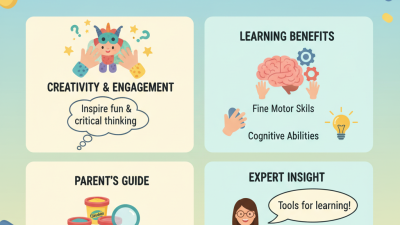
Benefits of educational toys are abundant. These toys stimulate imagination and problem-solving skills. They also encourage fine motor skills, which are crucial for tasks like writing. Tips for choosing the right toys include looking for age-appropriate designs. It’s important to consider a toy's safety and potential for open-ended play.
However, not all toys are created equal. Overly complex toys can frustrate children and hinder their interest in play. A focus on simplicity often leads to better engagement. Balancing fun and educational value is essential for maximizing the benefits of playtime. Parents should regularly assess their children's toy collections to adapt to their development stages.
Top 10 Must Have Children Toys for Global Buyers - Impact of Educational Toys on Child Development
| Toy Name |
Type |
Age Group |
Key Development Skills |
Popularity Rating (%) |
| Building Blocks |
Construction |
2-5 years |
Creativity, Motor Skills |
85 |
| Puzzle Games |
Cognitive |
3-7 years |
Problem Solving, Logic |
78 |
| Art Supplies |
Creative |
3-8 years |
Creativity, Expression |
82 |
| Musical Instruments |
Musical |
2-6 years |
Coordination, Listening Skills |
76 |
| Science Kits |
Educational |
6-12 years |
Critical Thinking, Experimentation |
74 |
| Role Play Toys |
Social |
3-7 years |
Social Skills, Imagination |
80 |
| Outdoor Play Equipment |
Physical |
5-10 years |
Physical Health, Teamwork |
75 |
| Math Learning Kits |
Educational |
5-8 years |
Numeracy, Logical Thinking |
77 |
| Robotics Kits |
Educational |
8-12 years |
STEM Skills, Problem Solving |
73 |
| Memory Games |
Cognitive |
3-7 years |
Memory, Concentration |
79 |
Sustainability in Toy Manufacturing: Eco-friendly Materials and Practices
In today's toy market, sustainability is crucial. Eco-friendly materials are reshaping how toys are made. Many manufacturers now use bamboo, recycled plastics, and organic cotton. These materials reduce waste and create safer options for children. However, not all companies prioritize these practices. Some still rely on harmful substances. Eco-conscious parents need to stay informed.
Moreover, transparency in sourcing is essential. Parents often lack information about where materials come from. This knowledge helps them make better choices for their children. Engaging with brands that share their sustainability efforts can create a positive impact. It fosters a culture of responsible consumption.
Manufacturers can also improve through better design. Toys should be durable, versatile, and repairable. This approach not only benefits the environment but also enhances playtime. Yet, many products still end up in landfills. The toy industry must reflect on its practices and strive for change. Children deserve a planet that is healthy and clean.
Top 10 Must Have Children Toys for Global Buyers - Sustainability in Toy Manufacturing
This chart shows the distribution of eco-friendly materials used in the top 10 must-have children's toys. A focus on sustainability is increasingly important for global buyers, influencing their purchasing decisions.
Market Analysis: The Most Popular Toy Categories Among Global Consumers
The toy market is constantly evolving. Global consumers are interested in several popular categories. Educational toys rank high due to their ability to blend fun and learning. Parents favor products that enhance cognitive skills and foster creativity. These toys often come with bright colors and interactive features.
Action figures and dolls remain timeless favorites. Children across various cultures engage in imaginative play with these items. However, concerns about safety and material quality persist. Not all toys are created equal. Many parents seek organic options or those made from recycled materials. This growing demand pushes manufacturers to adopt sustainable practices.
Building sets are also trending. They encourage teamwork and problem-solving among children. Yet, some parents worry about the complexity of certain sets. Not every child has the patience or skills needed. Assessing appropriate age ratings is crucial. Exploring and testing toys in real-life scenarios can help parents make informed decisions. Such diligence ensures that every toy chosen fosters growth while keeping children safe.