Top 10 Clay Toys for Global Buyers to Enhance Creativity
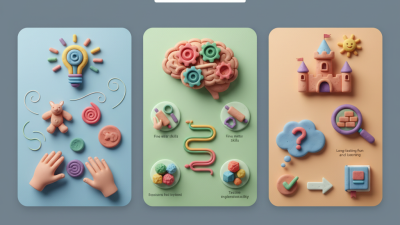
In the world of child development, the significance of play cannot be overstated. As per a report by The Toy Association, the global toy market is projected to reach $120 billion by 2025. Within this market, Clay Toys uniquely foster creativity and sensory skills. These versatile tools allow children to mold their ideas into tangible forms, enhancing their imaginative capabilities.
Clay Toys are not just fun; they are valuable educational resources. Research from the International Journal of Play suggests that tactile play boosts cognitive growth. Yet, some parents may overlook the importance of these toys. There is a need for awareness about the benefits that come from engaging in creative play with clay. Too often, conventional toys overshadow the impact clay can have on a child’s development.
While exploring the top ten clay toys available worldwide, it's essential to recognize their role in nurturing creativity. However, the market can be overwhelming. Some products may lack safety testing or suitable materials. Awareness is critical for informed purchasing decisions. By promoting high-quality clay toys, we can ensure that children experience safe, creative, and enriching play.
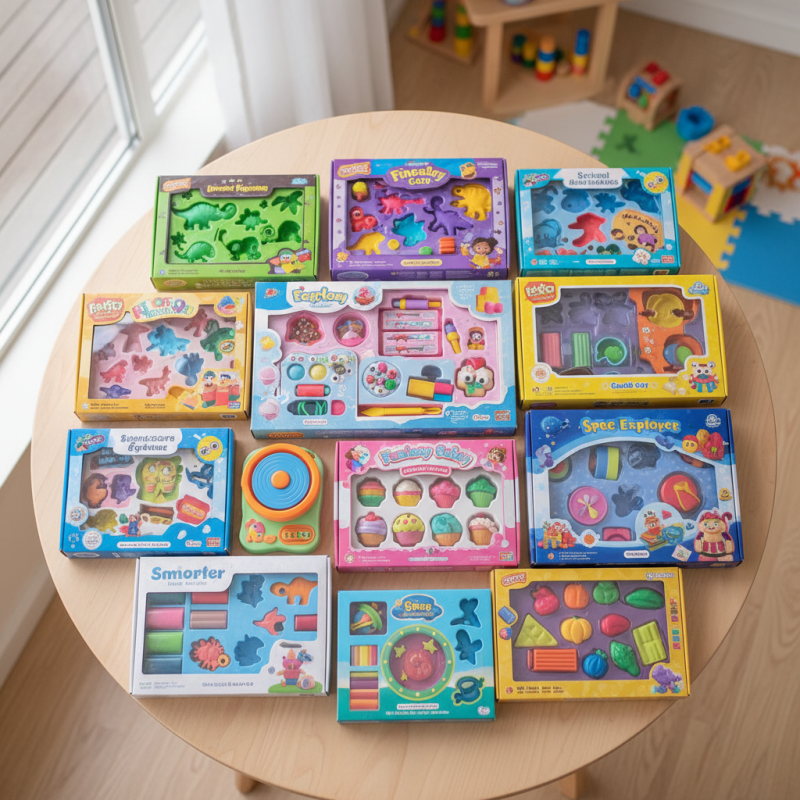
Top 10 Clay Toys Overview and Their Popularity Worldwide
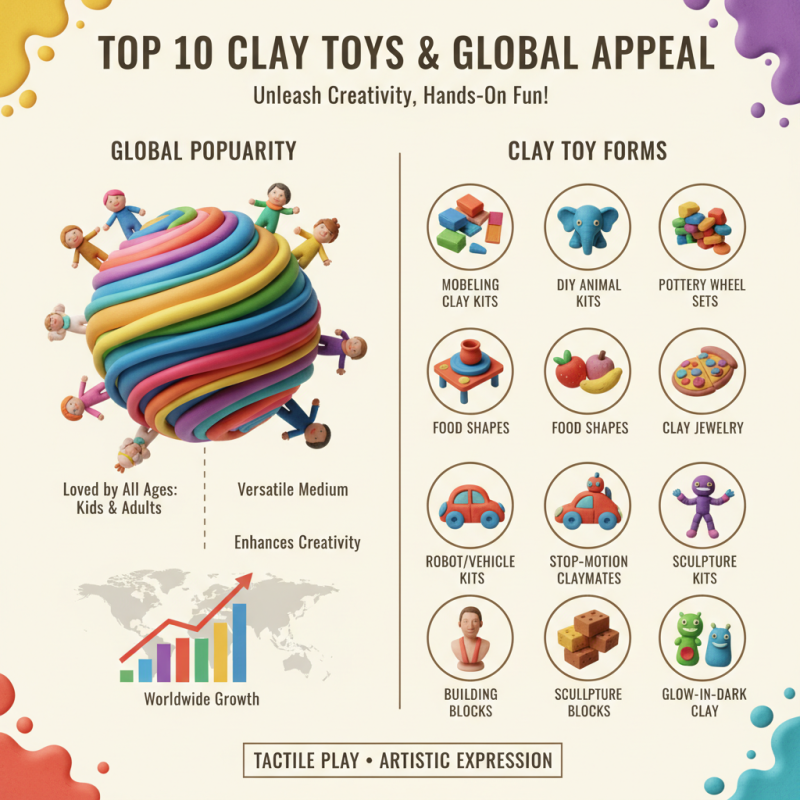
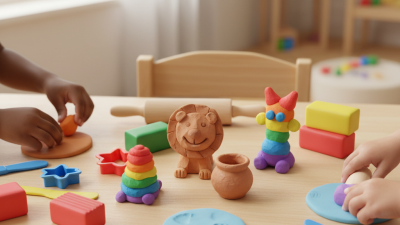
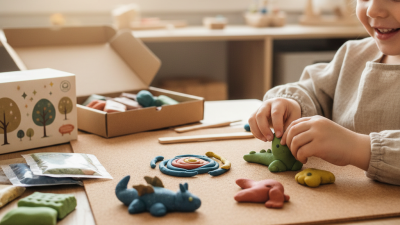
Clay toys have gained immense popularity worldwide, appealing to children and adults alike. Many people find clay a versatile medium that enhances creativity. These toys come in various forms, from modeling clay sets to DIY kits. Their tactile nature encourages hands-on play, allowing users to express themselves artistically.
In different cultures, clay toys reflect local traditions. For instance, in some regions, clay figurines represent historical figures or folklore. This diversity adds depth to the clay playing experience. While many users enjoy sculpting their own designs, some struggle with the techniques. Watching tutorials can help. However, the creative journey often includes mistakes. These missteps lead to learning opportunities that foster growth.
The global trend indicates a shift towards eco-friendly clay options. Many buyers value sustainable materials, aligning with increasing environmental awareness. Yet, the challenge remains in maintaining quality while being eco-conscious. As clay toy enthusiasts explore new ideas, creativity will continue to flourish.
A Diverse Range of Materials Used in Clay Toys
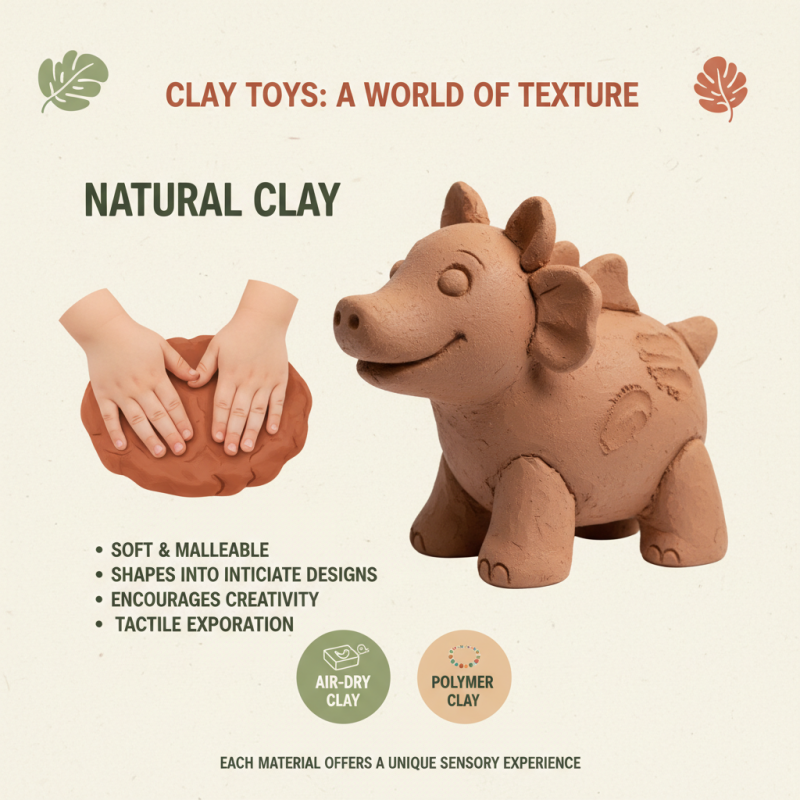
Clay toys come in various materials, each offering a unique sensory experience. Natural clay, for instance, is a classic choice. It’s soft and malleable, perfect for shaping into intricate designs. This type of clay engages kids of all ages, encouraging creativity and tactile exploration. Children love the feeling of working with their hands, forming shapes and figures.
In contrast, air-dry clay offers convenience and versatility. It hardens without baking, making it ideal for home projects. This material allows young artists to paint their creations once they dry, adding another layer of creativity. Each option has its pros and cons. Some may dry too quickly or crack, leading to frustration. However, overcoming these small challenges fosters problem-solving skills.
Polymer clay, another popular choice, offers vibrant colors and durability. It can be baked to create sturdy figures. However, miscalculations in baking time can lead to burnt creations. This experience teaches the value of patience and precision. Each material has its learning curve. While perfection isn’t guaranteed, the creativity unleashed in the process makes it all worthwhile.
Benefits of Playing with Clay Toys for Creativity Development
Playing with clay toys offers a unique way to enhance creativity in both children and adults. These tactile materials stimulate imagination and encourage artistic expression. Molding clay requires focus and determination, fostering problem-solving skills. The process is not just about creating art; it is about enjoying the journey, even if the results are not perfect.
Exploring clay can be messy, but that’s part of the fun. Embrace the imperfections and learn from them. Experimenting with color and shape enhances your understanding of design. Consider setting aside specific time for clay activities. This creates a routine, helping to maximize creative growth. Working alongside others can boost motivation and inspire new ideas.
When working with clay, start with simple projects. This allows you to build confidence gradually. Keep the environment relaxed. Encouragement is key, both to yourself and others. Remember, creativity thrives in spaces where mistakes lead to learning. Engage fully in the process, and see how your creativity blossoms over time.
Top 10 Clay Toys for Global Buyers to Enhance Creativity
Explore the versatility of clay toys and their significance in stimulating creativity among children and adults alike. This chart illustrates the popularity of various types of clay toys, highlighting their potential in enhancing creative skills.
Key Features to Look for When Choosing Clay Toys
When selecting clay toys, creativity enhancement is key. The ideal clay toy should be non-toxic and safe for children. According to a recent report by the Toy Industry Association, approximately 70% of parents prioritize safety features in children's toys. This emphasizes the need for reliable materials in clay products. Look for toys made from natural clays or high-quality synthetic materials. These ensure durability and lasting playability.
Texture plays a crucial role as well. A range of textures can stimulate sensory development. Research indicates that engaging with varied textures helps improve fine motor skills in children aged two to five. Opt for clay toys with different consistencies, from soft and malleable to firmer and more rigid. This variability not only encourages creativity but also makes the playtime experience more enriching.
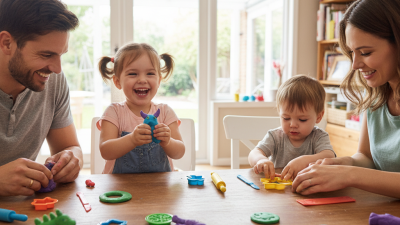
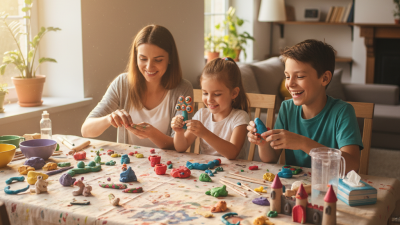
Parental involvement is another critical factor. Clay play can be a shared activity, fostering bonding between parents and children. Data from developmental psychology shows that interactive play enhances cognitive and social skills. Encourage children to express their ideas freely. Provide visual aids or templates, but refrain from dictating what they must create. This balance between guidance and creativity often leads to the most satisfying outcomes.
Global Market Trends in Clay Toys and Buyer Preferences
The clay toy market has seen a significant evolution in recent years. According to recent market reports, the global market for clay toys is projected to grow at a compound annual growth rate (CAGR) of 4.5% through 2025. This growth reflects a rising demand for creative and sensory play among children and adults alike. Buyers show a preference for eco-friendly materials, which aligns with increasing environmental consciousness.
A report indicates that 65% of buyers prefer clay toys that are non-toxic and made from sustainable resources. This trend highlights a shift towards responsible consumer choices. Children are drawn to products that stimulate creativity. Many parents focus on toys that promote fine motor skills and artistic expression.
Tips for buyers include researching materials before purchasing. Look for certifications that ensure safety and sustainability. Keep in mind that not all products labeled “natural” are created equal. Examine reviews and ratings to gauge user experiences. A blend of creativity and safety is essential in choosing the right clay toys. Balancing artistic value with safety standards is crucial for informed purchases.