Best Clay Toys for Creative Fun and Learning?
Clay toys offer a unique blend of fun and learning for children. These engaging tools allow kids to reshape their imagination. According to recent industry reports, the global toy market, including clay toys, reached over $90 billion in 2022. This growth signals increased interest in creative play.
Clay toys stimulate fine motor skills and foster creativity. Studies show that children who engage in artistic activities perform better academically. They develop problem-solving skills while playing with clay. This hands-on experience encourages exploration and innovation. However, it's essential to monitor usage. Some clay products may contain harmful substances if not regulated properly.
Keep in mind that while clay toys can enhance learning, not all products are safe. Parents should always check for safety certifications. Embracing clay play is a wonderful way for children to express themselves. Investing in quality clay toys can lead to countless hours of imaginative fun.
Benefits of Clay Toys for Child Development and Creativity
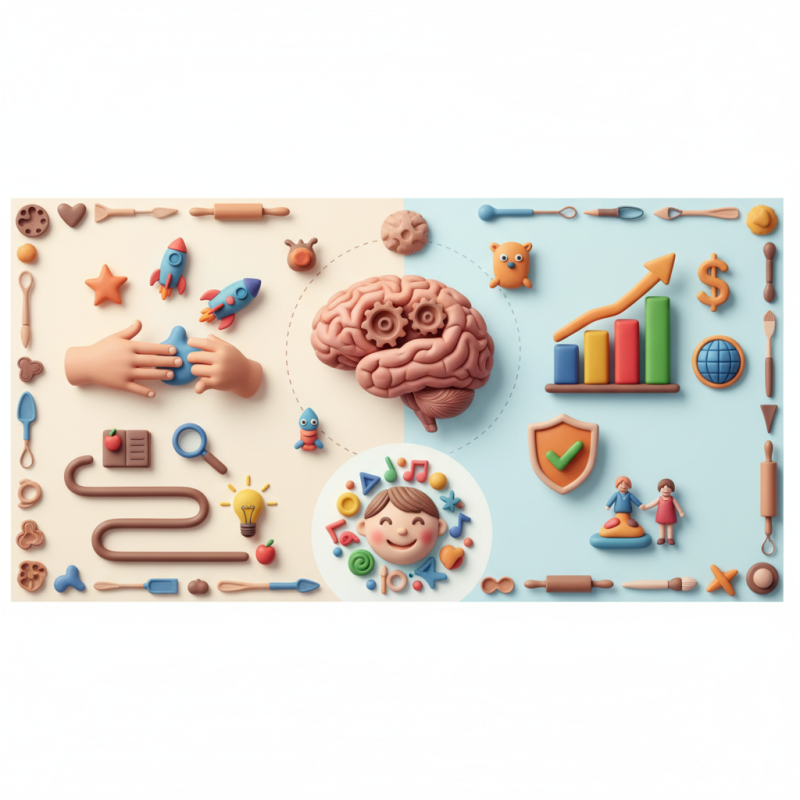
Clay toys can significantly benefit child development and creativity. They stimulate hands-on learning. When children knead, shape, and mold, they enhance their fine motor skills. These skills are crucial for writing and other daily activities. The tactile nature of clay engages young minds, allowing them to explore textures and forms.
Working with clay encourages imaginative play. Kids can create anything from animals to buildings. This promotes problem-solving and critical thinking. As they plan their creations, they learn to focus and express their ideas. However, frustration can occur when clay dries out or breaks. These moments teach resilience and perseverance. Children start understanding that not all creations turn out perfect, and that’s okay.
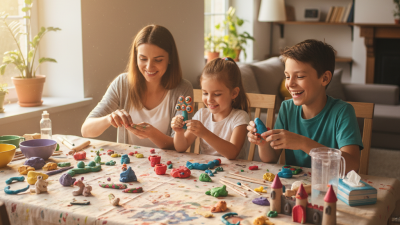
Using clay also fosters social interactions. Children often play in groups, sharing ideas and materials. They learn cooperation and communication. While working together, conflicts may arise, teaching them to negotiate and resolve issues. This learning process is invaluable. The journey through creation, even with its imperfections, is what makes clay a powerful tool for development.
Best Clay Toys for Creative Fun and Learning
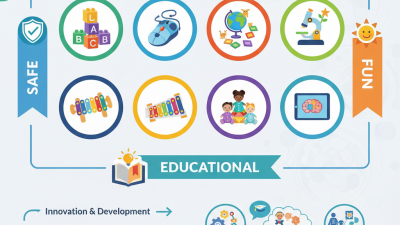
This chart illustrates the benefits of various clay toys for child development in key areas: creativity, fine motor skills, social skills, and cognitive development. Each toy category is evaluated based on its potential impact in these domains.
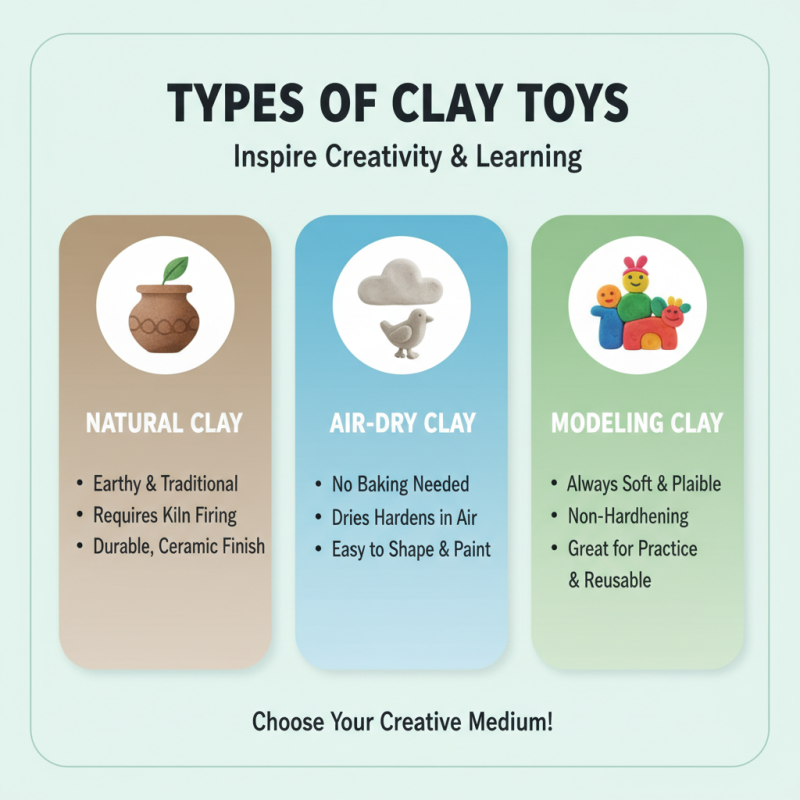
Types of Clay Toys: Natural Clay, Air-Dry Clay, and Modeling Clay
Clay toys are a fantastic way to inspire creativity and enhance learning. Three main types stand out: natural clay, air-dry clay, and modeling clay. Each type offers unique features that cater to different preferences and skill levels.
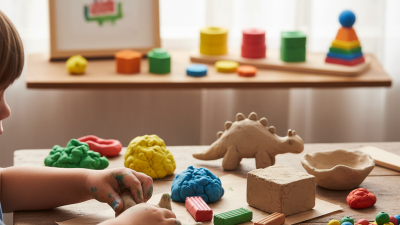
Natural clay is the traditional choice. It is malleable and easy to manipulate. Kids can make various shapes and figures. The tactile experience helps develop fine motor skills. A study published in the Journal of Children's Creativity found that working with natural clay can boost creative development by up to 30%. However, it requires kiln firing, which can be a hassle for parents.
Air-dry clay offers a convenient alternative. It hardens without the need for firing. Children can enjoy immediate results. This type is less messy and easier to clean up. Still, some users report that air-dry clay can crack if not stored properly. Users need to be mindful of humidity and air exposure. Modeling clay, often used in classrooms, is reusable and does not dry out. It encourages repeated play but may not provide the same level of artistic satisfaction. Understanding these differences ensures that parents can choose the right clay toy for their child's creative journey.
Top Brands and Products for High-Quality Clay Toys
When selecting clay toys for creative fun and learning, quality matters. Consider toys made from non-toxic, durable materials. These toys encourage imaginative play while allowing children to express themselves. Look for sets that include various colors. Kids enjoy mixing shades to create unique designs.
Many top products offer superb texture. Soft, pliable clay is easier for little hands to mold. This can help develop fine motor skills, as children roll, pinch, and sculpt their creations. A variety of tools can enhance the experience. Simple cutters and rollers make shaping more enjoyable.
Be aware, not all clay toys are created equal. Some may dry out quickly or lose their vibrancy. It’s essential to read user reviews to make informed choices. Learning from the experiences of others can guide your selections. Consider the overall playtime value each set offers. Engaging clay toys can spark creativity and inspire children to explore their artistic potential.
Creative Activities Using Clay Toys to Engage Young Minds
Clay toys offer endless possibilities for creative activities that engage young minds. According to a report by the National Association for the Education of Young Children (NAEYC), hands-on activities stimulate cognitive and motor skills in children. Playing with clay helps develop fine motor skills as kids manipulate and shape the material. This tactile experience is essential for brain development.
Creating with clay also encourages imaginative play. Kids can represent their thoughts and ideas in three-dimensional forms. For instance, molding a clay animal or building shapes can reflect their understanding of the world around them. Research shows that 70% of children benefit from creative play, improving their problem-solving abilities and emotional expression. However, children may sometimes feel frustrated when their creations don't match their visions. This struggle is part of the learning process, helping them develop resilience and adaptability.
Engagement through clay activities allows children to explore concepts of color, shape, and texture. These elements foster critical thinking and creativity. While children enjoy free play, guidance from adults can create structured activities that provide boundaries. Such balance challenges kids while allowing them to express themselves. The imperfect results remind them that exploration is more important than perfection.
Best Clay Toys for Creative Fun and Learning
| Toy Name |
Age Range |
Key Features |
Educational Benefits |
| Modeling Clay Set |
3+ |
Non-toxic, vibrant colors, moldable |
Enhances fine motor skills and creativity |
| Play-Dough Kit |
2+ |
Includes tools for cutting and shaping |
Promotes imaginative play and social skills |
| Air-Dry Clay |
5+ |
Lightweight and easy to mold, no baking needed |
Encourages artistic expression and patience |
| Clay Baking Oven Set |
6+ |
Includes mini oven and mold sets |
Teaches basic cooking principles and science |
| Sculpting Tools Set |
4+ |
Various tools for detailing and shaping |
Develops dexterity and attention to detail |
Safety Tips and Guidelines for Using Clay Toys with Children
When using clay toys with children, safety is paramount. Always supervise them during play to prevent choking hazards. Clay can be a fun medium, but small pieces can pose risks. Opt for non-toxic clay products to ensure that kids can play without harm.
Kids often explore by tasting. Encourage them not to put clay in their mouths. You can explain that clay is not food and is meant for sculpting. Keep an eye on how they play. If they ask to eat the clay, gently redirect their focus. Offer snacks instead.
When cleanup time comes, ensure all clay pieces are collected. Residue can stick to surfaces, causing messes. Teach children to wash their hands after playing. This habit promotes cleanliness and protects their health. Discuss the importance of tidiness. Making mistakes is part of learning, so maintain a positive attitude as they discover.