2026 How to Choose the Best Children Toys for Global Buyers?
The global market for children's toys has witnessed remarkable growth, with a projected value of approximately $120 billion by 2026. This rise highlights a critical demand for high-quality and engaging children toys. Parents and buyers face the challenge of selecting products that are both fun and safe. Understanding children's developmental needs is essential for making informed choices.
The American Academy of Pediatrics emphasizes the importance of play in childhood development. Toys that encourage creativity and problem-solving are vital. However, buyers must also consider safety regulations. Many toys do not meet stringent safety standards, risking children's wellbeing. Reports indicate that 1 in 10 toys is recalled due to safety issues.
Trends show a shift toward eco-friendly materials and educational toys. Parents increasingly seek options that are sustainable. Yet, the abundance of choices can lead to confusion. Buyers may overlook critical factors, such as age appropriateness or educational value. Reflecting on these complexities can lead to better purchases in a bustling market.
Understanding Developmental Milestones in Children's Toy Selection
Selecting the right toys for children involves understanding their developmental milestones. These milestones vary by age and can guide parents and caregivers when choosing educational and fun toys.
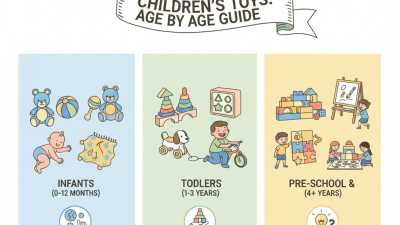
For infants, toys that stimulate the senses are essential. Textured blocks, rattles, and soft toys help with tactile development. According to the American Academy of Pediatrics, sensory play aids brain development significantly during the first year of life. As toddlers grow, they begin to explore fine motor skills. Puzzles and stacking toys become vital, enhancing hand-eye coordination. Reports suggest that engaging children in constructive play can lead to improved cognitive abilities.
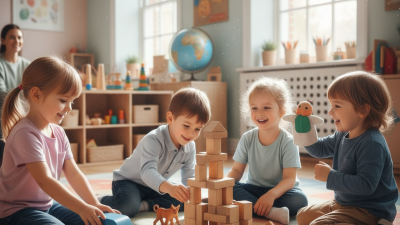
Tips: Look for toys that encourage imaginative play. Pretend play sets promote language development and social skills. For preschoolers, consider toys that challenge them. Building sets and arts and crafts can foster creativity and problem-solving.
Parents should also reflect on the importance of safety and durability in toys. Unfortunately, some popular items may not meet safety standards. Always check for certifications and reviews to ensure a reliable choice. Engaging with children during playtime can transform toy selection into a learning experience, benefiting both the child and the parent.
2026 How to Choose the Best Children Toys for Global Buyers? - Understanding Developmental Milestones in Children's Toy Selection
| Age Group |
Developmental Milestones |
Toy Type |
Recommended Features |
| 0-1 years |
Sensory exploration, visual tracking |
Soft toys, rattles |
Bright colors, varying textures |
| 1-2 years |
Walking, simple problem solving |
Building blocks, pull toys |
Safety features, ease of handling |
| 2-3 years |
Imitative play, language development |
Role-play sets, musical instruments |
Durable materials, encourages interaction |
| 3-5 years |
Creative play, basic literacy and numeracy |
Art supplies, educational games |
Variety of activities, age-appropriate complexity |
| 5+ years |
Critical thinking, social skills |
Board games, science kits |
Strategic thinking, teamwork aspects |
Factors Influencing Safety Standards for Children's Toys in Global Markets
When selecting toys for children, safety standards are pivotal. Various factors influence these standards in global markets. One crucial factor is the material used in toy manufacturing. Reports indicate that up to 80% of toy recalls are due to unsafe materials. This statistic underscores the importance of compliance with safety regulations.
Another influential aspect is the testing process. According to the Toy Association, rigorous testing can reduce the risk of accidents significantly. Toys should undergo checks for choking hazards, sharp edges, and toxic substances. While many manufacturers adhere to these safety guidelines, some still cut corners, jeopardizing child safety. Parents should seek toys that come with clear safety certifications.
Cultural differences also shape safety standards. In some regions, certain toys may be acceptable, while in others, they are not. This inconsistency can confuse global buyers. For example, bright colors and small parts may be popular in one market but seen as risky in another. Understanding these variations is essential for making informed purchasing decisions. Global buyers must be vigilant about these factors to ensure children's safety when choosing toys.
Trends in Sustainable Materials for Eco-Friendly Children's Toys
In recent years, there has been a growing demand for eco-friendly children's toys. Parents are increasingly aware of the impact that materials can have on the environment. The trend is clear: sustainability matters. Eco-friendly toys not only help protect the planet but also promote healthy play for children.
Natural materials like wood and organic cotton are rising in popularity. These materials are biodegradable, making them a better choice for our Earth. Moreover, they are often safer for children. Plastic toys can contain harmful chemicals. Many parents now prefer toys made from sustainable resources. They seek out products that are not just fun but also safe and environmentally friendly.
While the market expands, not all eco-friendly toys meet the same standards. It is important to examine certifications and sourcing. Some products may claim to be sustainable but lack transparency. Parents and buyers should educate themselves on what to look for. Understanding the importance of sustainable materials helps ensure that the toys chosen truly benefit both children and the planet.
Evaluating Educational Value of Toys Based on Expert Recommendations
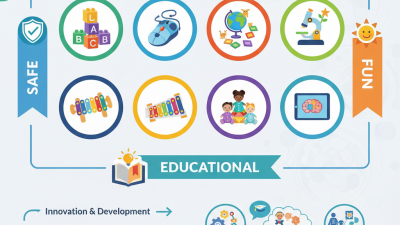
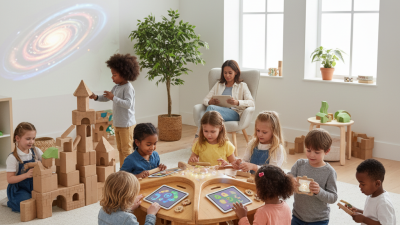
When selecting toys for children, educational value plays a crucial role. According to a report by the Toy Association, approximately 90% of parents prioritize educational benefits when choosing toys. Expert recommendations indicate that toys should promote cognitive, social, and emotional development. Blocks, puzzles, and art supplies can enhance creativity and problem-solving skills, which are vital for early learning.
However, not all toys labeled as "educational" have proven efficacy. Some studies highlight the importance of age-appropriate toys; not every complex toy suits younger kids. A 2022 research piece published in the Journal of Play found that children learn best through play, but only when the toy matches their developmental stage. This suggests that buyers should consider expert insights alongside developmental milestones.
Evaluating a toy's design is equally important. Research shows that toys with multiple uses foster sustainable engagement. For instance, a single block can lead to countless creations, sparking imagination. Yet, the market often floods customers with flashy, one-dimensional options. This can lead to confusion and ultimately affect children's learning outcomes. Hence, parents and caregivers must look closely at the educational claims made by manufacturers and validate them through expert advice and research.
Consumer Preferences: Insights from Global Toy Market Research Data
Choosing the best toys for children requires understanding consumer preferences. Recent global toy market research reveals intriguing insights.
Parents prioritize safety and educational value. They often seek toys that foster creativity and problem-solving skills. This reflects a broader trend toward holistic child development.
Design matters too. Bright colors and engaging shapes attract children’s attention. However, toys must be age-appropriate. Misjudging this can lead to frustration rather than enjoyment. Research shows that many toys marketed as educational fail to engage children effectively. Hence, it's essential to assess how well a toy captures interest over time.
Another aspect is sustainability. Many consumers now prefer eco-friendly toys. They want products made from safe, non-toxic materials. Yet, the challenge lies in balancing quality and cost. Not all eco-friendly options are affordable. This creates confusion for buyers trying to make responsible choices.
Reflecting on these insights can help manufacturers meet the diverse needs of global consumers. The right toy can significantly influence a child's growth and learning.