How to Choose the Best Play Dough for Educational Purposes?
When selecting the best Play Dough for educational purposes, it's essential to consider factors that enhance children's learning experiences. According to Dr. Emily Johnson, an expert in early childhood education, "Quality Play Dough can transform simple play into meaningful educational moments."
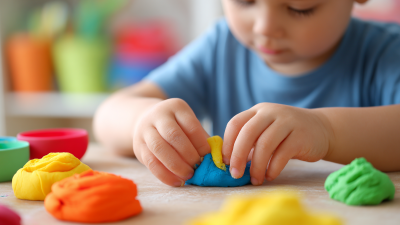
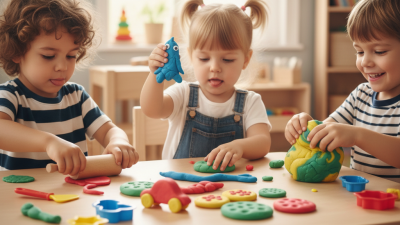
Play Dough serves as a versatile tool for developing fine motor skills and fostering creativity. The right Play Dough encourages sensory exploration, allowing children to engage with textures and colors. For instance, soft and pliable dough can be more inviting for little hands, inviting hours of imaginative play.
However, not all Play Dough brands are created equal. Some may contain allergens or harmful ingredients. This raises questions about safety and the integrity of the products available. Parents and educators must reflect on these aspects carefully, ensuring a balance between fun and a safe learning environment. Consideration of these elements will help in making an informed choice for the best educational Play Dough.
Factors to Consider When Selecting Play Dough for Education
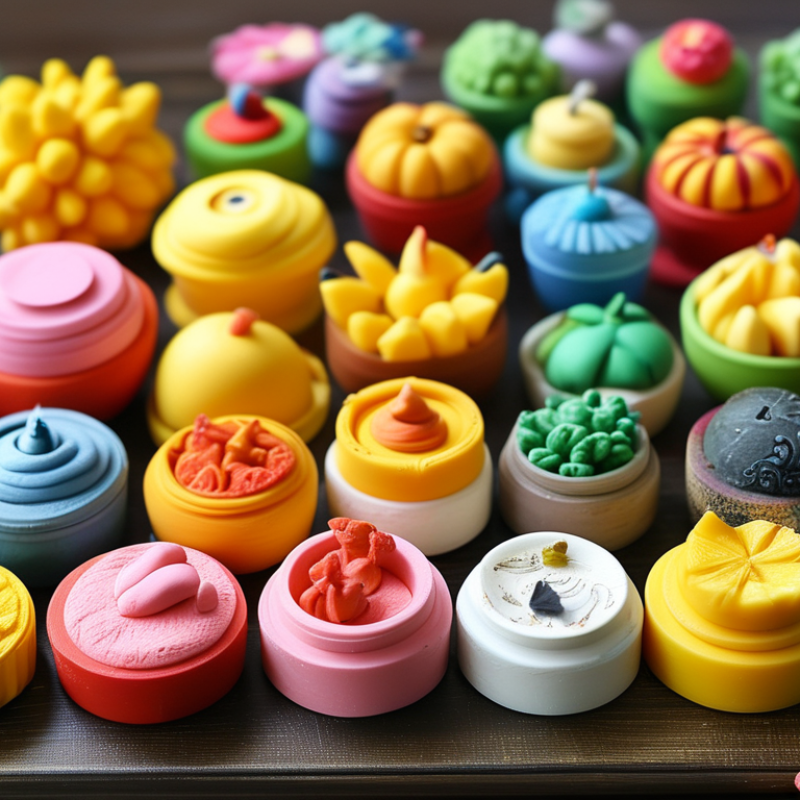
Choosing the right play dough for educational purposes involves several important factors. Consider the texture and pliability of the dough. A softer consistency allows younger children to mold and shape their creations easily. For older kids, a firmer dough can challenge their motor skills more effectively. Look closely at the colors available. Vibrant, non-toxic options are ideal for creating engaging visual experiences. This not only stimulates creativity but also aids in teaching color recognition.
Safety is paramount when selecting play dough for educational settings. Ensure that the materials used are non-toxic and free from harmful chemicals. Always check for relevant safety certifications. Reflect on your educational goals as well. For example, if the aim is sensory exploration, textured play dough can enhance the experience. Sometimes, the finest dough for learning isn't the most popular one. Be open to experimenting with different types and observe how children interact with them. Their responses often reveal the best options for educational play.
Types of Play Dough: Natural vs. Synthetic Materials
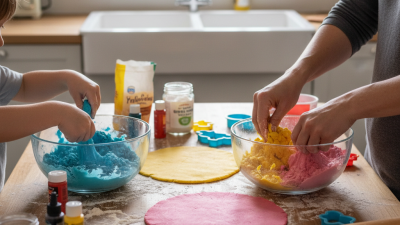
When considering play dough for educational purposes, it's essential to understand the differences between natural and synthetic materials. Natural play dough often contains simple ingredients like flour, salt, and water. This makes it a safer option for young children. It tends to be biodegradable and free of harmful chemicals. However, its shelf life can be limited, and it may dry out quickly.
Synthetic play dough, on the other hand, is more durable and available in various colors and textures. It can often withstand the rigors of energetic play. Yet, some synthetic options might contain preservatives and synthetic fragrances, which can be a concern for sensitive children. Parents should examine the ingredients thoroughly.
Consider these ideas when selecting play dough. Always check for non-toxic labels to ensure safety. Look for options that promote sensory development. Encourage children to explore the textures. Regularly assess the condition of the play dough. If it changes in texture or smells off, it's time to replace it. Remember to rotate between natural and synthetic types to provide varied experiences.
How to Choose the Best Play Dough for Educational Purposes? - Types of Play Dough: Natural vs. Synthetic Materials
| Type of Play Dough |
Materials |
Texture |
Safety |
Educational Benefits |
| Natural Play Dough |
Flour, Water, Salt, Natural Colorants |
Soft and pliable |
Non-toxic, safe for children |
Encourages creativity and fine motor skills |
| Synthetic Play Dough |
Synthetic Polymers, Preservatives |
Smoother and stretchable |
Follow safety guidelines, potential allergens |
Promotes sensory play and cognitive development |
| Edible Play Dough |
Peanut Butter, Honey, Powdered Sugar |
Soft and sticky |
Safe to eat, suitable for toddlers |
Enhances sensory exploration and taste |
| Gluten-free Play Dough |
Rice Flour, Cornstarch, Natural Dyes |
Smooth and flexible |
Non-toxic, suitable for those with gluten allergies |
Fosters inclusion and creative expression |
Safety Standards and Non-Toxic Ingredients in Play Dough
When selecting play dough for educational settings, safety plays a crucial role. Parents and educators should prioritize products meeting stringent safety standards. According to the American Society for Testing and Materials (ASTM), safe play dough must be free from harmful substances such as phthalates and heavy metals. These materials can pose risks, particularly to young children who are prone to mouthing objects. An alarming report from the Consumer Product Safety Commission revealed that nearly 30% of play products fail to meet these crucial safety standards.
Non-toxic ingredients should also be a major consideration. Most trusted formulations use natural components, like flour and salt, which are significantly less harmful compared to synthetic alternatives. The Children's Health Environmental Coalition emphasizes the importance of labels that specify "non-toxic." Such labels provide reassurance but require careful reading. Not all products advertised as "safe" meet regulatory guidelines. There may be confusion, as some ingredients may sound safe but can trigger allergies or sensitivities in children.
The play dough experience should foster creativity without compromising health. While many brands tout their non-toxic claims, not all are held to the same rigorous testing. Educators need to remain vigilant. Regular reviews of product certifications and safety data can prevent unpleasant surprises. It can be overwhelming to navigate the options. Prioritizing safety should never be an afterthought in any educational setting.
Play Dough Safety Standards and Non-Toxic Ingredients Comparison
This chart illustrates the percentage of play dough brands that meet specific safety standards and contain non-toxic ingredients. The data reflects the increasing awareness and need for safe educational materials for children.
Evaluating Play Dough Texture and Workability for Learning Activities
When selecting play dough for educational activities, texture and workability are crucial. A study by the National Association for the Education of Young Children indicates that children engage better with materials that are easy to manipulate. Soft play dough invites exploration, allowing little hands to mold and create without frustration. The right texture fosters creativity and keeps children interested in learning.
However, not every play dough meets these criteria. Some products can be too sticky or too crumbly, hindering the learning experience. A report from the American Educational Research Association highlights that consistent workability in play dough supports fine motor skill development. Children benefit from a dough that balances firmness and pliability, encouraging them to experiment.
Observing how children interact with various doughs is essential. Teachers often find that some types require constant reworking or lose their shape too quickly. These inconsistencies can lead to disengagement. Practitioners should aim for a play dough that remains malleable, encourages tactile feedback, and withstands creative use. Ultimately, the choice of play dough significantly impacts educational outcomes, making careful consideration crucial.
Assessing Color Variety and Articulation in Educational Play Dough
When selecting play dough for educational use, color variety plays a crucial role. Children often engage more when they see vibrant, diverse colors. Colors stimulate creativity and imagination. A rich palette allows children to experiment with color mixing and see different hues. This hands-on experience can help enhance their understanding of color theory. However, striking a balance between variety and quality is essential. Some doughs may offer many colors but lack texture and pliability.
Articulation is equally important. The texture of play dough impacts how children manipulate it. Smooth, pliable dough fosters fine motor skills as kids roll, pinch, and sculpt. If it’s too stiff, frustration can arise. Children may lose interest quickly. Considerations for safety are also paramount. Play dough should be non-toxic and safe for all age groups. While many products claim to be safe, it’s good to check ingredients. Even seemingly harmless substances may cause allergic reactions in some children.
Reflecting on these factors leads to more informed choices. It’s a chance to assess how well the play dough meets educational goals. Investing time in selection can enhance learning experiences significantly. Parents and educators alike should engage with children when choosing materials. Their preferences and responses provide valuable insight. A collaborative approach can lead to more enriching activities.