How to Choose the Best Play Dough for Kids Learning?
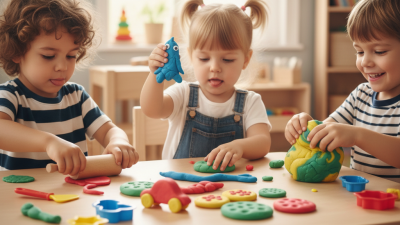
Choosing the right Play Dough for kids can significantly impact their learning experience. Research shows that sensory play aids in cognitive development. According to the American Academy of Pediatrics, engaging children in tactile activities like Play Dough can enhance fine motor skills and foster creativity.
Not all Play Dough is created equal. Some brands offer non-toxic formulas while others contain harmful chemicals. Parents should prioritize safe, eco-friendly products. The National Association for the Education of Young Children emphasizes the importance of safe materials for young learners.
In a world increasingly focused on education, selecting the right Play Dough becomes essential. A recent survey revealed that 75% of educators recommend Play Dough for early childhood development. This statistic underscores the importance of making informed choices. However, navigating the vast options can be overwhelming. Each brand claims to be the best, leaving parents uncertain about what truly benefits their children. Thus, careful consideration and research are necessary to ensure a beneficial experience.
Understanding the Different Types of Play Dough Available for Children
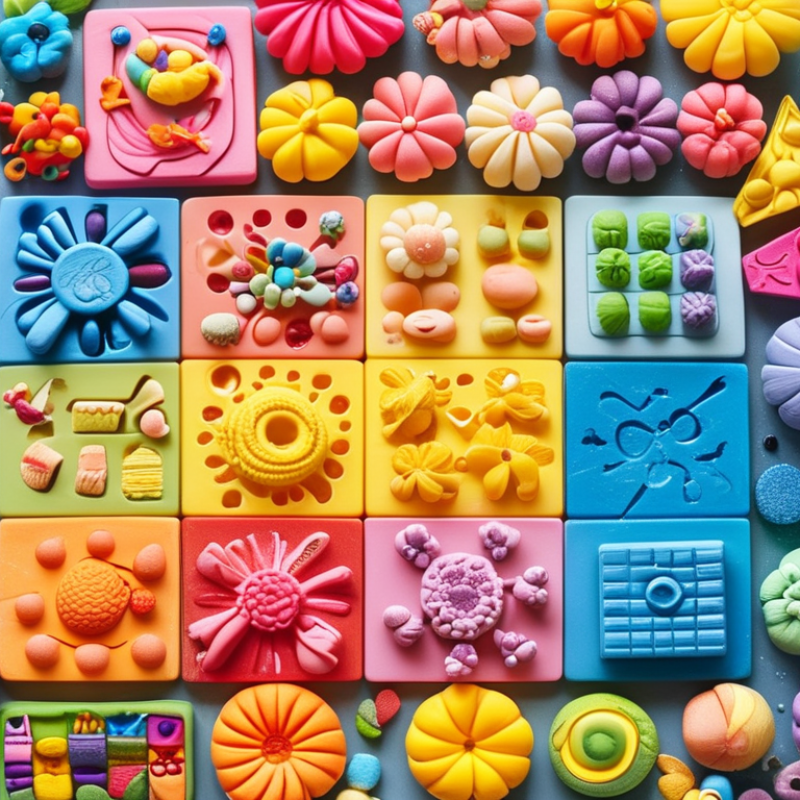
When choosing play dough for children, it's essential to understand the types available. There are many options, each serving varying needs. Natural play dough is often made from organic materials. This option is safe for children and less likely to cause allergic reactions. Bright colors and soft texture attract young learners. Parents often appreciate knowing the ingredients are eco-friendly.
Synthetic play dough is another type. Many synthetic varieties offer vibrant colors and scents. They can be fun for sensory play, but some may contain chemicals. It's worthwhile to read labels carefully. Some children might react poorly to synthetic materials.
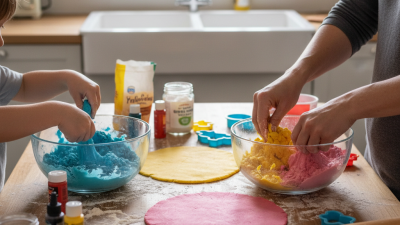
Homemade play dough provides control over ingredients. Parents can mix flour, salt, and water to create a flexible medium. Homemade dough can be customized in color and texture. However, it requires time and effort to prepare. It's not always as convenient as store-bought options. An important factor to consider is storage. Homemade dough typically has a shorter shelf life than commercial varieties.
Comparison of Different Types of Play Dough for Kids Learning
Evaluating Safety Standards and Non-Toxic Ingredients in Play Dough
When choosing play dough for children’s learning, safety is paramount. Always check for labels indicating non-toxic ingredients. Some brands use synthetic additives that can be harmful. Children often put materials in their mouths. It’s crucial to ensure the dough is safe if ingested. Look for certifications like ASTM or EN71, which indicate compliance with safety standards.
Consider the texture and scent, too. Natural formulas often use food-grade ingredients. These can offer a better sensory experience for children. However, natural scents may not appeal to all kids. A pleasant scent can encourage longer playtime. Still, some children may be sensitive to fragrances. Choosing unscented or lightly scented options might be a good compromise.
Dough that’s too firm or sticky can lead to frustration. Children want to manipulate and create freely. Finding a balance in consistency is key. Consider trying a few types. This can help discover what works best for your child. Reflect on preferences and sensitivities. Different children have different needs. Flexibility in your choice can lead to a more enjoyable and educational experience.
Assessing Texture and Consistency for Enhanced Play Experience
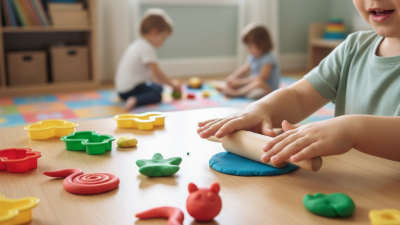
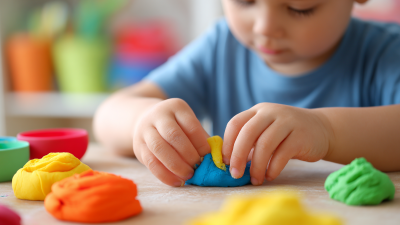
When selecting play dough for children's learning, texture and consistency greatly impact the play experience. A smoother texture allows for easier manipulation, which can enhance tactile exploration. Children enjoy rolling, squeezing, and molding soft dough more than harder varieties. Look for options that feel pliable and are easy to stretch. This quality not only keeps little hands engaged but also promotes fine motor skill development.
In contrast, overly hard or crumbly dough can frustrate young learners. Its difficulty in shaping may lead to disengagement. Parents and educators should consider play dough that maintains its integrity but can easily be reshaped. Some options may appear ideal but can become sticky or lose form over time. Regular testing through play can identify which types maintain their intended consistency.
Choosing play dough isn't just about color or smell. Parents should observe how it interacts with their child's hands and creativity. Reflecting on these details can help ensure a more effective learning experience. It's essential to keep in mind that every child has different preferences. What engages one child might not interest another, highlighting the need for variety.
Considering Educational Benefits and Developmental Skills Promoted by Play Dough
When selecting play dough for children's learning, it is crucial to consider the educational benefits and developmental skills it promotes. According to a 2021 report by the National Association for the Education of Young Children, engaging with play dough enhances fine motor skills. These skills are foundational for tasks like writing and self-care. Children manipulate the dough, which strengthens their hand muscles and improves dexterity.
In addition to fine motor skills, play dough encourages creativity and imagination. A study published by the American Psychological Association highlighted that creative play supports cognitive development. Children explore colors, textures, and shapes, fostering problem-solving abilities. This exploration is vital as it enhances their understanding of the world around them.
Social interaction is another critical benefit. When children play with dough together, they learn to share and cooperate. A recent survey found that 70% of early educators reported improved social skills among children who frequently engaged in collaborative play activities. Observing children’s interactions during play can shed light on their social development, often revealing areas for growth. Play dough serves as a tool, providing opportunities for learning that may otherwise be missed.
Tips for Selecting the Right Color and Scent for Kids' Engagement
Choosing the right color and scent for play dough can enhance kids' learning experiences. Bright colors stimulate visual senses. They attract children's attention and spark creativity. Red and blue are often favorites, but consider personal preferences. Kids might gravitate towards greens and purples too. Observing their reactions can help you make better choices.
Scent also plays a significant role in engagement. Pleasant aromas can evoke different emotions. Vanilla, for instance, is calming, while citrus scents can energize. It’s crucial to ensure that scents are safe. Some children may have allergies or sensitivities, and these need to be addressed. Always check ingredients and consider hypoallergenic options when possible.
Involving children in the selection process can lead to exciting discoveries. It allows them to express their likes and dislikes. However, don’t press them to choose a favorite scent or color. They might feel overwhelmed. Instead, provide a few options and let them explore. This process gives them a sense of control, making playtime more enjoyable.
How to Choose the Best Play Dough for Kids Learning?
| Criteria |
Options |
Benefits |
| Color |
Bright, Pastels, Primary |
Enhances creativity, Visual stimulation |
| Scent |
Fruity, Herbal, Unscented |
Aids in focusing, Sensory engagement |
| Texture |
Soft, Firm, Stretchy |
Promotes fine motor skills, Tactile experience |
| Safety |
Non-toxic, Gluten-free |
Child-safe, Allergy considerations |
| Price |
Budget-friendly, Premium |
Cost-effective, Higher quality options |