What is Play Dough and How is it Used in Creative Play?
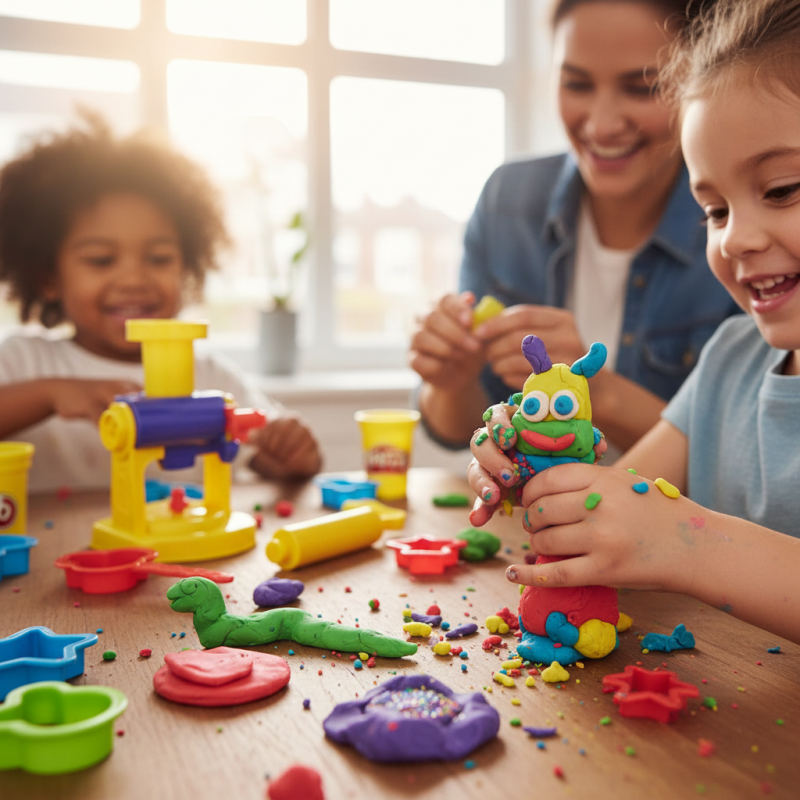
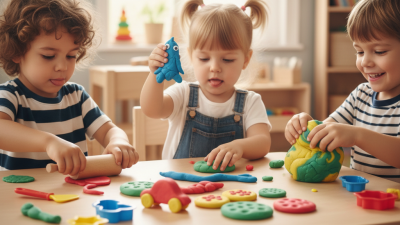
Play Dough is a versatile material beloved by children and adults alike. It is a modeling compound that sparks creativity and imagination. This vibrant, malleable substance engages kids in countless activities. They can mold shapes, create figures, or even design intricate scenes.
Using Play Dough promotes fine motor skills and cognitive development. Children learn about textures, colors, and shapes while playing. It fosters creativity, allowing them to express their ideas freely. That said, using Play Dough can sometimes be messy. Cleanup can be challenging, and it requires adult supervision.
However, the benefits far outweigh the drawbacks. Play Dough invites collaboration and social interaction. It can also be an educational tool in early childhood settings. With endless possibilities, this simple medium encourages exploration and experimentation. Play Dough truly stands out as an essential resource in creative play.
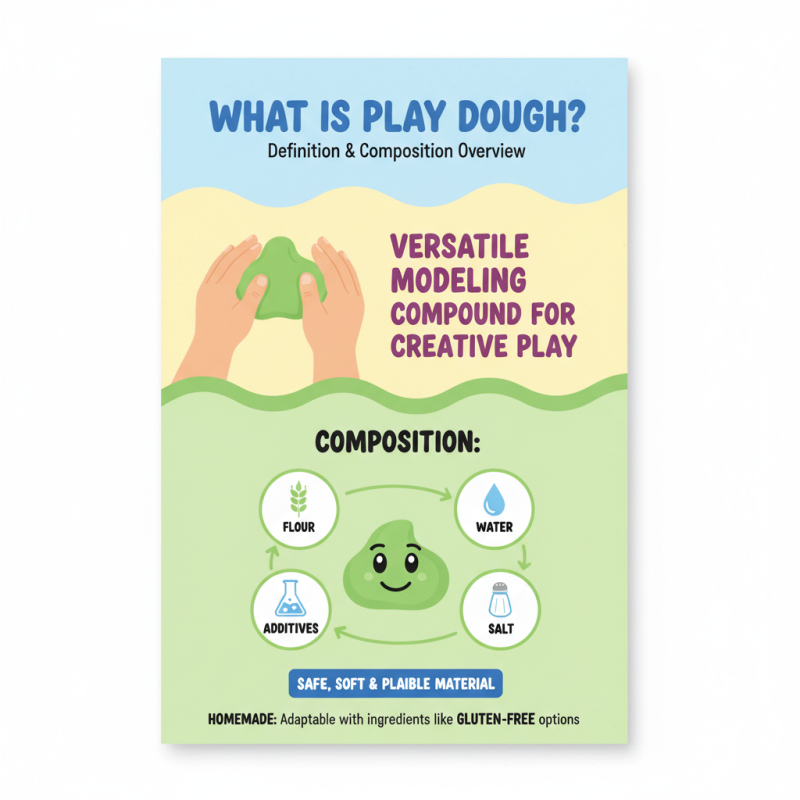
What is Play Dough: Definition and Composition Overview
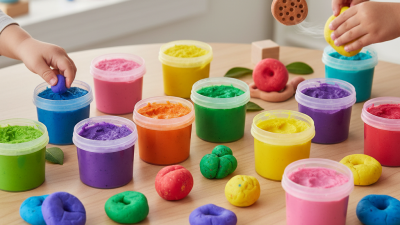
Play dough is a versatile modeling compound perfect for creative play. It typically consists of flour, water, salt, and various additives. These components create a soft, pliable material that is safe for children. Homemade versions often substitute ingredients based on personal preferences and dietary restrictions, like gluten-free options.
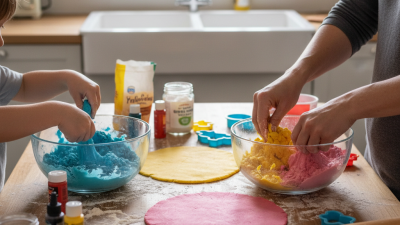
Creating play dough from scratch can be a fun activity. Measuring and mixing ingredients encourages children to engage in hands-on learning. Tips for enhancing this process include using food coloring to create vibrant hues. Scented oils can also make the experience more enjoyable.
While play dough encourages creativity, it can be messy. Kids often lose focus and create unpredictable shapes. Remind them that mess is part of the process. Focus on the joy of creation rather than perfection. Encourage open-ended play where children can explore different shapes and textures without a specific goal. This fosters imagination and improves fine motor skills over time.
Historical Context of Play Dough: Evolution Over the Years
The historical context of play dough reveals its transformation over the years. Initially created in the 1930s as a wallpaper cleaner, it soon became a beloved children's toy. In 1956, a more refined version appeared, designed for artistic and educational purposes. This shift marked the beginning of play dough's role in creative play and child development.
Research indicates that approximately 70% of children engage in some form of creative play by the age of 5. By stimulating their senses, play dough enhances fine motor skills and cognitive abilities. The tactile experience it offers is crucial for brain development. A report by the American Academy of Pediatrics emphasizes that activities involving hands-on materials contribute significantly to learning.
Despite its popularity, some concerns arise with synthetic ingredients found in many commercial formulations. Parents often contemplate the safety of these materials. While most play dough products are considered safe, occasional allergic reactions do happen. Therefore, homemade versions are becoming increasingly popular, allowing parents to control the ingredients. This reflects a growing trend towards sustainability and consciousness in children’s play products.
Benefits of Play Dough in Child Development: Cognitive and Motor Skills
Play dough is more than just a fun tool for kids. It has significant benefits for children's
cognitive and motor skills development.
When children manipulate play dough, they engage in creative play that fosters their imagination.
Shaping and molding the dough helps enhance fine motor skills,
such as finger dexterity. This is important as it prepares them
for writing and other precise tasks later.
Another advantage of play dough is its cognitive benefits. Children learn to understand concepts
like volume, shape,
and texture. By combining colors or creating different forms,
they explore basic math and science principles in a playful manner. They often experiment without the fear of failure.
This freedom to explore helps build confidence and
resilience.
Tips: Encourage kids to create their own play dough recipes. This process is both
educational and entertaining. You could also set a theme for their creations, like animals or food, to spark ideas and enhance
their storytelling skills. Regular play with dough can be a fun routine that combines learning and creativity, even if the end results
aren’t perfect. Embracing imperfections can lead to valuable lessons in creativity
and problem-solving.
Creative Techniques and Activities Using Play Dough in Play Therapy
Play dough is a versatile tool in play therapy. It encourages creativity and self-expression. Children manipulate the dough, shaping it into various forms. This process allows them to explore emotions and thoughts that may be hard to express verbally.
One creative technique involves story-telling using play dough figures. Children can create characters that represent their feelings or experiences. They might mold a figure of a friend or a family member. As they build their story, they often reveal underlying concerns or joys. This activity fosters communication and can lead to deeper discussions.
Tips for using play dough in therapy: Keep a variety of colors available. Bright colors stimulate imagination. Encourage children to describe their creations. It can lead to insightful discussions about why they chose certain shapes or colors. Observe their choices closely. They may reflect their inner world. Remember, the process is often more important than the final product.
Industry Insights: Market Trends and Preferences for Play Dough Products
The play dough market is witnessing remarkable trends as creativity becomes a key driver. Parents increasingly seek products that not only entertain but also educate. Many caregivers recognize the developmental benefits of play dough. It enhances fine motor skills and encourages imaginative thinking. As a result, colorful, non-toxic options are gaining popularity.
Moreover, there is a clear shift toward eco-friendly materials. Consumers are becoming more aware of their environmental impact. They prefer brands that emphasize sustainable practices. This trend is reflected in the increasing demand for vegan and biodegradable play dough. Many customers are willing to pay a premium for products reflecting their values.
Despite these positive trends, challenges remain. Some products still use harmful additives, leading to safety concerns. Parents often struggle to find credible sources that verify product safety. Navigating between creative expression and safety can be complex for caregivers. The industry must continuously work on transparency to build trust with consumers. Engaging with community feedback can drive improvements in product offerings.
Trends in Play Dough Usage by Age Group