Why Choose Educational Toys for Your Child's Development?
The importance of educational toys in a child's development cannot be overstated. According to the American Academy of Pediatrics, play is essential for children's learning and growth. Educational toys provide opportunities for creativity, critical thinking, and problem-solving, fostering cognitive and emotional development. Research by the Toy Association indicates that 90% of parents believe educational toys positively influence their child's skills.
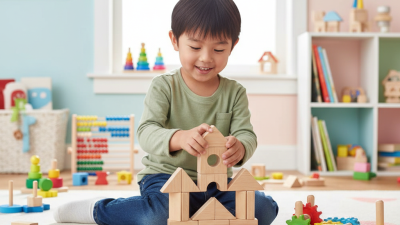
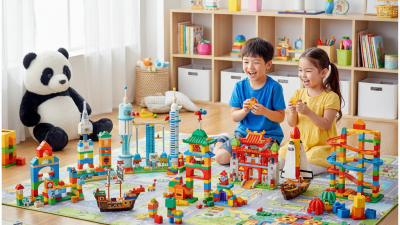
Educational toys can engage children in meaningful ways. These toys often encourage hands-on experiences, promoting sensory development and motor skills. For instance, building blocks help improve spatial awareness and coordination. Yet, not all toys labeled as "educational" offer real value. Parents should seek out toys that align with their child's interests and developmental stage.
Moreover, it's worth noting that children's play preferences may vary. Some kids may not initially engage with certain educational toys, leading to frustration or disinterest. This reality highlights the need for parents to observe and adapt to their child's play style. Ultimately, choosing the right educational toys plays a vital role in nurturing a child's overall development.
Benefits of Educational Toys for Cognitive Development in Children
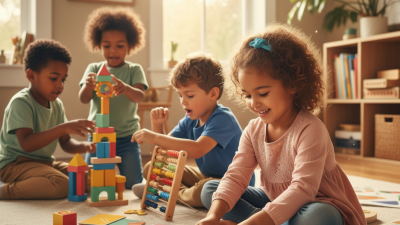
Educational toys play a crucial role in shaping a child's cognitive abilities. These toys are designed to stimulate a child’s imagination and encourage problem-solving skills. For instance, puzzles can enhance spatial awareness as children learn to fit shapes together. When a child manipulates blocks, they develop fine motor skills and spatial recognition. This hands-on experience promotes critical thinking and enhances creativity.
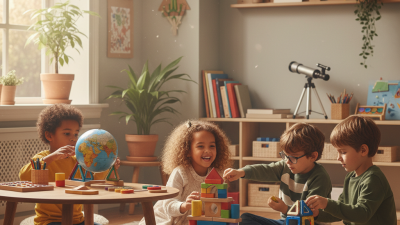
Moreover, educational toys often require collaboration or communication. Playing with others fosters teamwork and social skills. Children learn to share, take turns, and resolve conflicts, which are vital for their relational development. Engaging with these toys can lead to conversations about colors, numbers, and descriptions. Such interactions enrich vocabulary and language skills.
However, not every educational toy will resonate with every child. Some may find certain toys frustrating or overwhelming. It's important for caregivers to observe their child’s reactions and preferences. This awareness can help in selecting appropriate toys that promote growth without causing stress. Balancing challenge and enjoyment is key to effective learning through play.
The Role of Educational Toys in Enhancing Motor Skills
Educational toys play a significant role in enhancing motor skills in children. These toys can include building blocks, shape sorters, and puzzles. Each of these types requires different levels of dexterity and precision. Playing with them allows children to practice gripping, hand-eye coordination, and finger movement.
As kids manipulate these toys, they develop fine motor skills essential for daily tasks later in life. For instance, stacking blocks challenges their balancing skills. Similarly, threading beads can improve their precision and control. However, not every child grasps these activities at the same pace. Some may struggle with coordination initially, leading to frustration. It’s important for parents to provide encouragement and celebrate small victories.
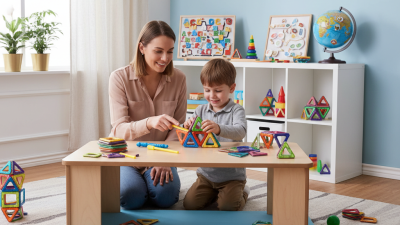
Involving children in playtime using educational toys also creates bonding experiences. Parents can engage alongside their kids, making the learning process enjoyable. As children play, they experiment and explore their limits. It's during these moments that they learn best, even when faced with challenges. Not every session will be perfect, but perseverance is key in development.
How Educational Toys Foster Creativity and Imagination
Educational toys play a significant role in fostering creativity and imagination in children. These toys often provide open-ended experiences, allowing kids to explore various ideas and solutions. According to a study by the American Association of Pediatrics, children engaged with imaginative play show improved problem-solving skills and cognitive flexibility. When kids engage with dolls, blocks, or art supplies, they practice how to express themselves freely.
Moreover, a report from the National Institute for Play highlights that playful interactions with educational toys can enhance a child's emotional development. For instance, when children create stories or scenarios with their toys, they learn empathy and social skills. This imaginative play contributes to their ability to connect with others and express emotions. Sometimes, children may struggle with these activities, and that's part of the learning process. It’s essential to encourage them to push through challenges for growth.
However, not every toy achieves these educational goals. Some toys may be overly structured or passive. While they can entertain, they may not ignite creativity. Parents should look for toys that promote exploration and require active participation. Simple items often hold the most potential for imaginative play. The right choice can make a significant difference in nurturing a child's development.
Choosing the Right Educational Toys for Different Age Groups
Choosing the right educational toys for different age groups is crucial for a child's growth. Infants benefit from toys that stimulate their senses. Bold colors, varied textures, and soft sounds catch their attention. Simple rattles or plush toys encourage exploration and motor skills.
Toddlers, on the other hand, seek more interactive play. Blocks, shape sorters, and puzzles hone their problem-solving abilities. These toys also foster creativity and spatial awareness. Encourage your child to build and create, allowing them to express their ideas.
For preschoolers, the focus shifts to language and social skills. Toys that promote storytelling, like puppets or action figures, can boost imagination. Collaborative games teach sharing and cooperation, essential for their development. It's essential to see how your child engages with these toys. Reflection on their preferences can guide future purchases. Pay attention to what excites them and what they shy away from. This insight helps tailor toy choices to their evolving interests and needs.
Why Choose Educational Toys for Your Child's Development? - Choosing the Right Educational Toys for Different Age Groups
| Age Group |
Recommended Educational Toys |
Developmental Benefits |
| 0-12 months |
Soft Blocks, Rattles |
Sensory development, motor skills |
| 1-2 years |
Shape Sorters, Stacking Toys |
Cognitive skills, hand-eye coordination |
| 2-3 years |
Building Sets, Play Dough |
Creativity, problem-solving |
| 3-5 years |
Puzzle Games, Art Supplies |
Critical thinking, fine motor skills |
| 5-7 years |
Science Kits, Board Games |
STEM learning, social interaction |
| 7+ years |
Robotics Kits, Strategy Games |
Logical reasoning, teamwork |
The Impact of Play-Based Learning on Child Development
Play-based learning significantly enhances a child's cognitive and emotional development. Children learn by exploring their environment through play. This natural curiosity drives them to ask questions and solve problems. For instance, when a child builds a tower with blocks, they practice counting and develop spatial awareness. These hands-on experiences foster critical thinking skills that are essential for their future.
Moreover, play promotes social skills and emotional health. Children often engage in group play, which helps them learn cooperation, sharing, and communication. They navigate conflicts and express their emotions within safe boundaries. During these interactions, they might struggle with turn-taking or sharing toys, revealing areas where they can grow. This process of working through challenges is vital for developing resilience.
While the benefits of play-based learning are clear, not all playtime is equally valuable. Not every experience offers developmental benefits. Parents might overlook the importance of guided play versus unstructured free play. Observing how children respond to different types of play can provide insights into their individual needs. This awareness can help caregivers create richer play environments that are tailored for optimal learning. Embracing both the joys and the challenges of play can lead to profound growth and understanding in a child's development.