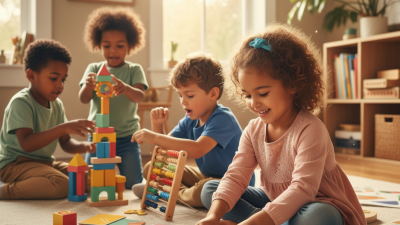
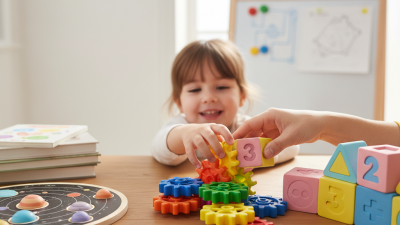
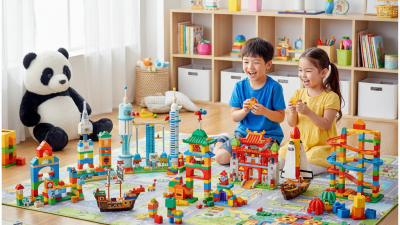
In the rapidly evolving landscape of childhood development, the demand for Educational Toys is surging. Market research shows that the global educational toys industry is expected to grow at a CAGR of 8% from 2021 to 2026. This rise reflects an increased focus on learning through play. As parents seek innovative tools for their children, experts emphasize the importance of quality in educational products.
Dr. Emily Carter, a renowned child development specialist, believes, "Educational toys play a crucial role in enhancing cognitive and motor skills." Her insights highlight the necessity of selecting toys that not only entertain but also enrich children's learning experiences. The relevance of educational toys becomes clear when considering their potential impact on skill development.
However, with an abundance of options available, it can be overwhelming for parents. Understanding which toys effectively promote learning is essential. As we explore the top 10 Educational Toys for kids in 2026, we must critically evaluate each option for its educational value. Making informed choices requires balancing excitement with educational benefits, ensuring a brighter future for children.
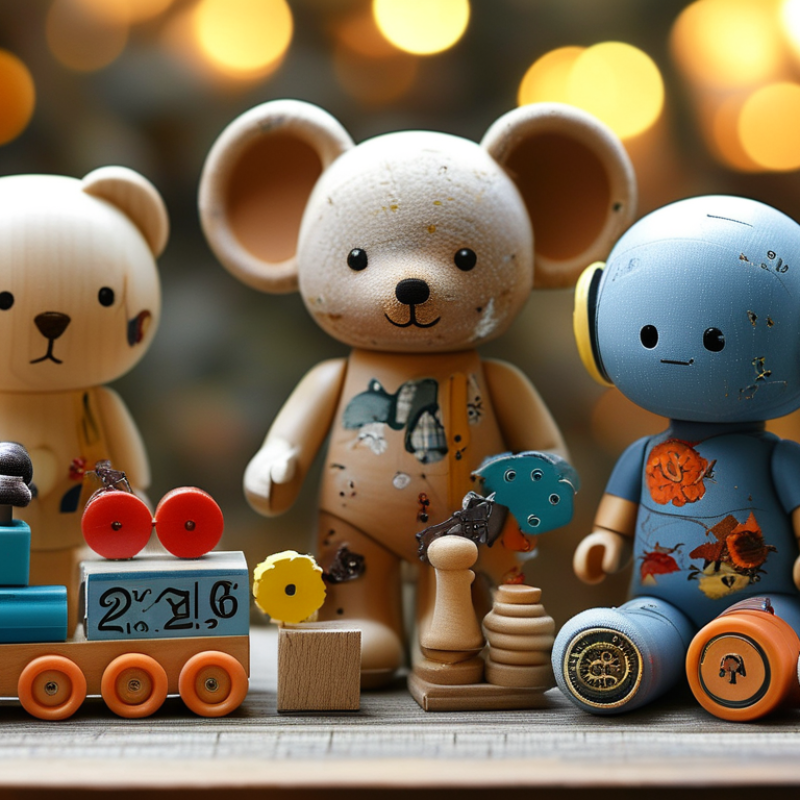
In 2026, the landscape of educational toys will reflect a significant shift towards technology integration. According to the latest research from the Toy Association, nearly 75% of parents prefer toys that promote STEM learning. This trend signals a growing understanding of the importance of early education in science, technology, engineering, and mathematics for young minds.
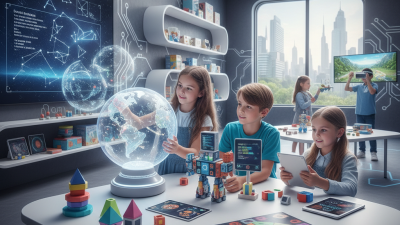
Interactive learning tools will dominate the market. Data shows that over 60% of children found better engagement with tech-based educational toys. These toys often include coding kits and augmented reality experiences, enhancing skills like problem-solving and critical thinking. However, not all toys hit the mark. Some may be overly complex, leading to frustration rather than learning.
Parents should remain vigilant about educational claims. Reports indicate that only 40% of toys marketed as educational meet developmental standards. It’s essential to choose options that encourage creativity while being age-appropriate. Toys should also foster social interactions, as 80% of learning occurs through play with peers. Balancing tech and traditional play could yield the best results, ensuring children thrive in diverse learning environments.
Educational toys play a crucial role in a child's development. They encourage exploration, creativity, and problem-solving. Engaging with educational toys can enhance a child's cognitive, social, and emotional skills. These toys help nurture critical thinking from an early age.
Tips: Choose toys that require active participation. Open-ended toys can inspire creativity and imaginative play. Balance technology-based toys with traditional ones to support varied learning styles. Simple toys, like blocks, can promote spatial reasoning and fine motor skills.
Parents and educators should consider the individual interests of children. Not all kids resonate with the same type of toy. Some may thrive with musical instruments, while others prefer art supplies. This variation can guide tailored learning experiences. When children are engaged, the benefits of playtime amplify. Their joy in learning becomes evident.
Additionally, it's essential to reflect on the interactions during play. Guiding questions while playing can deepen understanding. For instance, asking, “What happens if you change this piece?” can stimulate critical thinking. Observing how kids engage can also reveal their intuitive learning styles.
When selecting the best educational toys for kids in 2026, consider a few key criteria. Safety is paramount. Ensure that materials are non-toxic and age-appropriate. Check for durability; toys should withstand rough play. This resilience enhances their educational value.
Engagement is another critical factor. Does the toy stimulate curiosity and creativity? Look for items that promote problem-solving skills. Toys should encourage exploration and hands-on learning. Interactive elements can keep children engaged longer, enhancing their learning experience.
Tips: Always read reviews to gauge other parents' experiences. Observe children as they play; their reactions can be insightful. Also, think about versatility. A toy that can be used in various ways often provides more learning opportunities. Remember, not every popular toy suits every child. Take time to reflecting on what suits your child best.
The world of educational toys is rapidly evolving. In 2026, we expect to see innovative designs that cater to diverse learning styles. One notable trend is the incorporation of augmented reality (AR). Through AR, kids can interact with toys in a virtual space. This bridges the gap between physical play and digital learning. The blend of technology and traditional play enhances engagement.
Another trend is the emphasis on sustainability. Many toys will be made from biodegradable materials. Parents increasingly seek eco-friendly options that teach children about the environment. This not only benefits the planet but also instills values in kids early on.
However, with the influx of technology, some concerns arise. Screen time remains a hot topic for parents. Striking a balance is essential. Toys that integrate technology must encourage physical activity, too. Parents should reflect on how these toys impact social skills. Engaging with peers is crucial for child development. Not all new trends are beneficial; it's important to assess the effects carefully.
| Toy Name | Age Range | Key Features | Educational Benefits |
|---|---|---|---|
| Smart Robotics Kit | 8+ | Programming, Robotics, Customization | STEM Skills, Problem-Solving |
| Interactive Science Lab | 6+ | Hands-On Experiments, Virtual Labs | Scientific Thinking, Experimentation |
| Augmented Reality Puzzle | 5+ | 3D Visualization, AR Integration | Spatial Awareness, Critical Thinking |
| Language Learning Board | 4+ | Multilingual Options, Interactive Games | Language Skills, Communication |
| Creative Art Station | 3+ | Digital Drawing, Mixed Media | Creativity, Fine Motor Skills |
| Math Magic Kit | 7+ | Fun Math Games, Challenges | Numerical Skills, Logical Thinking |
| Eco-Friendly Building Blocks | 2+ | Sustainable Materials, Design Flexibility | Design Skills, Environmental Awareness |
| Virtual Reality Exploration | 10+ | Immersive Experiences, Educational Tours | Cultural Awareness, Exploration |
| Building and Engineering Set | 6+ | Interlocking Pieces, Structural Challenges | Engineering Concepts, Teamwork |
| Mindfulness Game Set | 5+ | Relaxation Techniques, Cooperative Play | Emotional Intelligence, Cooperation |
In 2026, educational toys continue to evolve, catering to diverse learning needs. Experts note that interactive toys enhance cognitive skills in children aged 3 to 5. Products fostering problem-solving abilities are increasingly popular. Kids engage deeply with toys that challenge their creativity and critical thinking.
Research shows that STEM-focused toys boost interest in science and math. For instance, toys designed for ages 6 to 8 often incorporate basic programming and engineering concepts. These toys make learning enjoyable and relatable. However, careful consideration is needed when selecting toys. Too much complexity can frustrate younger children, leading to disengagement.
Parents often overlook the importance of play in learning. Playtime supports emotional and social development. The right toy can promote collaboration and communication among peers. Yet, not all toys meet these criteria effectively. Some may focus too much on entertainment rather than educational value. Balancing fun with learning potential is crucial.
This chart displays the features and age suitability of the top 10 educational toys recommended for children in 2026. Each toy has been assessed for its educational value, engagement level, and age appropriateness.
The article "Top 10 Educational Toys for Kids in 2026" provides a comprehensive overview of the significance and benefits of educational toys in child development. It highlights how these toys foster critical skills such as creativity, problem-solving, and social interaction. Furthermore, it outlines the criteria for selecting the best educational toys for the year, considering factors like age suitability, safety, and educational value.
Innovative trends in toy design and technology are also explored, showcasing how advancements are reshaping the educational landscape. The article concludes with a curated list of the top 10 educational toys, detailing their unique features and appropriate age ranges. Additionally, it offers future predictions on how the realm of educational toys may evolve beyond 2026, emphasizing the ongoing importance of these tools in nurturing young minds.
+86-754-86986185
David: info@yo-yo.net.cn
Susan: sales8@yo-yo.net.cn
Eunice: sales3@yo-yo.net.cn
Vincent: st88@sixtrees.cn
David: +86 13118683999
Susan: +86 13829657827
Eunice: +86 13809675407
Vincent: +86 13592830482