Top Educational Toys to Boost Learning and Fun for Kids?
The impact of Educational Toys on child development is significant. According to a study by the American Academy of Pediatrics, play is essential for children's growth. Educational toys stimulate cognitive skills, creativity, and social interaction. They help children develop problem-solving abilities in engaging ways.
Research shows that children learn 70% more when playing with educational toys. Products designed with learning outcomes in mind have become increasingly popular. Reports indicate a shift toward STEM-focused toys, promoting skills in science, technology, engineering, and mathematics. Parents are now more aware of how play influences learning.
Some toys may not meet educational goals fully. It's crucial to assess how a toy aligns with developmental milestones. Many options on the market claim to be educational but lack substance. Parents should remain critical and select toys that truly encourage meaningful learning experiences. With informed choices, educational toys can provide both fun and vital learning opportunities for children.
The Importance of Educational Toys in Early Childhood Development
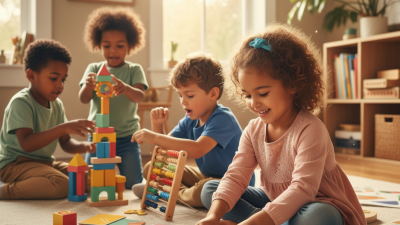
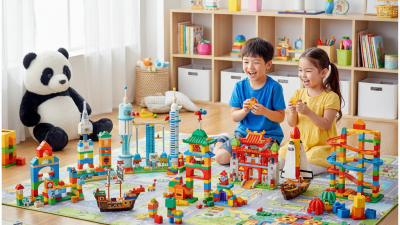
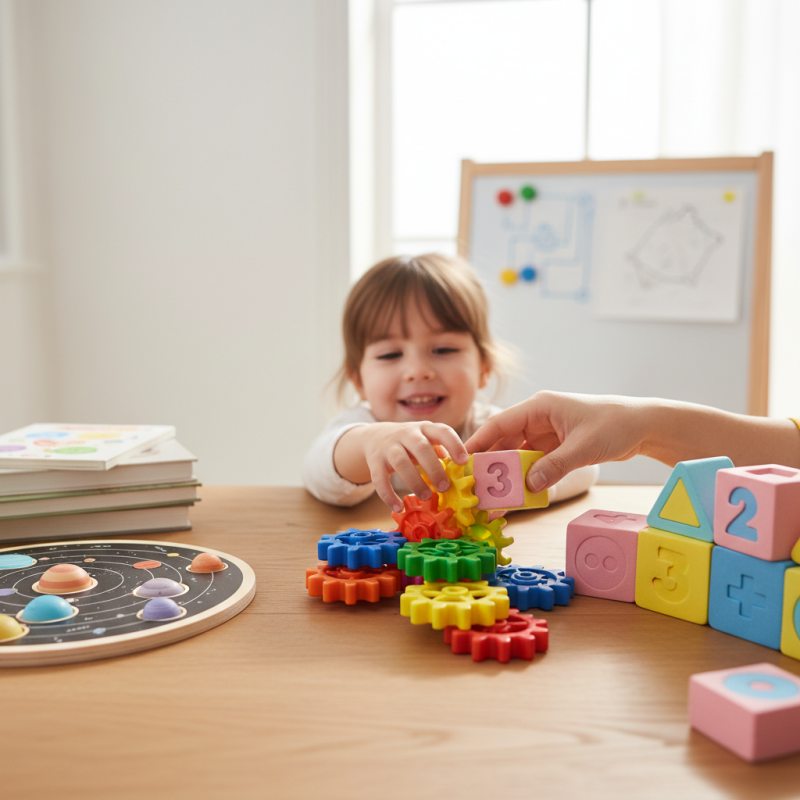
Educational toys play a crucial role in early childhood development. They help engage young minds while promoting critical skills. Toys designed for learning can stimulate creativity, problem-solving, and social interaction. For instance, puzzles challenge a child's ability to think and reason. Building blocks encourage spatial awareness and fine motor skills.
By integrating play with education, children enjoy the process of learning. Interactive games can teach basic math or language skills in a fun way. However, not every toy meets this standard. Some may merely entertain without providing educational value. Parents should carefully consider the toys they choose.
Toys that foster collaboration, like group games, enhance social skills. Children learn to share ideas and solve problems together. Yet, it is essential to note that every child is unique. What works for one may not work for another. Observing a child's response to different toys can lead to better choices in their developmental journey. Choosing wisely can maximize the benefits of playtime.
Types of Educational Toys and Their Cognitive Benefits for Children
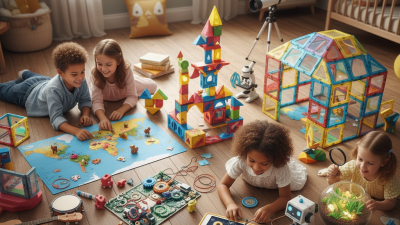
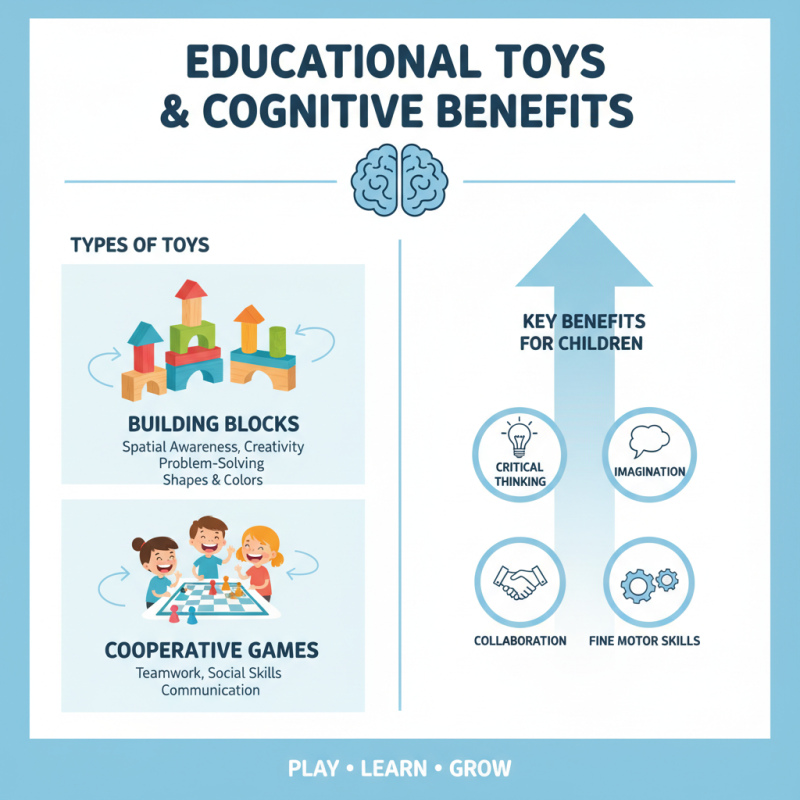
When selecting educational toys, understanding the types and their cognitive benefits is key. Building blocks enhance spatial awareness and creativity. Kids learn to balance shapes and colors. This hands-on approach fosters problem-solving skills. Moreover, cooperative games encourage teamwork, an essential social skill.
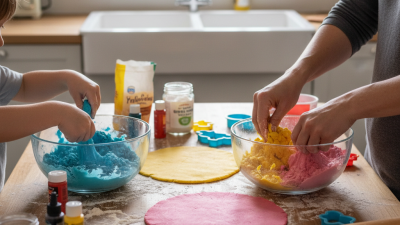
Science kits spark curiosity about the natural world. They promote critical thinking and experimentation. Children can see immediate results, which enhances learning retention. Art supplies not only nurture creativity but also improve fine motor skills. Engaging in artistic activities helps with emotional expression.
Puzzle games require logic and patience. They challenge children to think strategically. Yet, not every child will excel in such tasks immediately. Sometimes, frustration arises, leading to important lessons on perseverance. In choosing educational toys, it’s vital to balance fun with cognitive growth, ensuring children enjoy their learning journey.
Statistics on Learning Outcomes Related to Educational Play
Educational play has profound impacts on children's learning outcomes. Recent studies highlight that children who engage with educational toys show improved cognitive skills. For example, a survey revealed that 70% of children who played with STEM toys scored higher in math and science assessments. This suggests a direct link between play and academic performance.
Moreover, social skills are enhanced through collaborative play. When children interact, they learn teamwork and problem-solving. Research indicates that kids who play together develop better communication abilities. However, not every child benefits equally from educational toys. Some may struggle with certain concepts despite engaging with these resources. This variability prompts a need for tailored learning approaches.
Parental involvement can also influence these outcomes. Active participation during playtime enhances learning experiences. Still, it's vital to recognize that not all toys are suitable for every child. Finding the right balance remains a challenge for many parents. Therefore, careful selection of educational toys is crucial to maximize benefits.
Top Educational Toys to Boost Learning and Fun for Kids
Selecting Age-Appropriate Educational Toys for Optimal Engagement
Choosing age-appropriate educational toys is crucial for maximizing a child's learning experience. According to a report by the American Academy of Pediatrics, play is fundamental to child development. Toys selected for specific age groups enhance cognitive, emotional, and social skills. For instance, infants benefit from toys that stimulate sensory exploration, while toddlers thrive with toys that promote problem-solving.
Research suggests that children aged 3-5 years gain significantly from role-playing activities. A study by the National Association for the Education of Young Children states that imaginative play develops critical thinking. However, some parents overlook the importance of ensuring that toys are not only fun but also enriching. Choosing toys that correspond to developmental milestones is essential for keeping children engaged.
It's interesting to note that about 70% of children lose interest in toys that are too advanced or simplistic. Experts recommend tailoring selections based on interests and developmental readiness. This balance is vital. Engaging toys can spark curiosity but can also be frustrating if they don't match the child's skills. Such mismatches can lead to lost opportunities for learning and growth. Awareness of these dynamics can guide parents in making informed decisions.
Top Educational Toys to Boost Learning and Fun for Kids
| Toy Category |
Recommended Age |
Skills Developed |
Features |
| Building Blocks |
2-8 years |
Fine Motor Skills, Creativity |
Colorful, Stackable, Durable |
| Puzzle Games |
3-10 years |
Problem Solving, Critical Thinking |
Various Themes, Increasing Difficulty |
| Science Kits |
8-12 years |
STEM Learning, Experimentation |
Hands-On Experiments, Safety Gear |
| Art Supplies |
2-12 years |
Creativity, Imagination |
Variety of Materials, Non-Toxic |
| Coding Games |
5-12 years |
Logic, Basic Programming Skills |
Interactive, Engaging Platforms |
Trends in the Educational Toy Market and Consumer Preferences
The educational toy market is evolving rapidly. Parents now seek toys that promote learning while entertaining their children. Many prefer toys that encourage creativity and critical thinking. Interactive and hands-on toys are popular. They allow kids to explore concepts through play. This type of learning is often more engaging than traditional methods.
Safety remains a top concern for parents. Toys must not only educate but also be safe for children. Materials should be non-toxic and durable. It's important for manufacturers to follow safety regulations closely. Some parents express frustration over unclear labeling. They want transparent information about toy safety.
Sustainability also plays a role in consumer preferences. Many parents now favor eco-friendly toys. These toys are made from sustainable materials and reduce environmental impact. However, some worry that eco-friendly options may not always be as effective in enhancing learning. The challenge lies in balancing fun and educational value with sustainable practices.