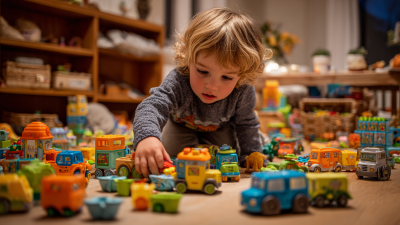
Choosing the right toys for your child is essential for their development. Educational toys offer numerous benefits that enhance learning and growth. These toys stimulate creativity and critical thinking. They can also aid in developing problem-solving skills in young minds.
When children engage with educational toys, they learn through play. This approach makes learning enjoyable. For example, puzzles may teach them how to think logically, while building blocks promote spatial awareness. Such experiences lay the groundwork for future educational success.
However, not all educational toys are created equal. Some might lack engaging designs or fail to challenge children adequately. It's crucial to assess the quality and appropriateness of each toy. Reflecting on this can lead to better choices. In the end, selecting the right educational toys can have a lasting impact on a child's development.
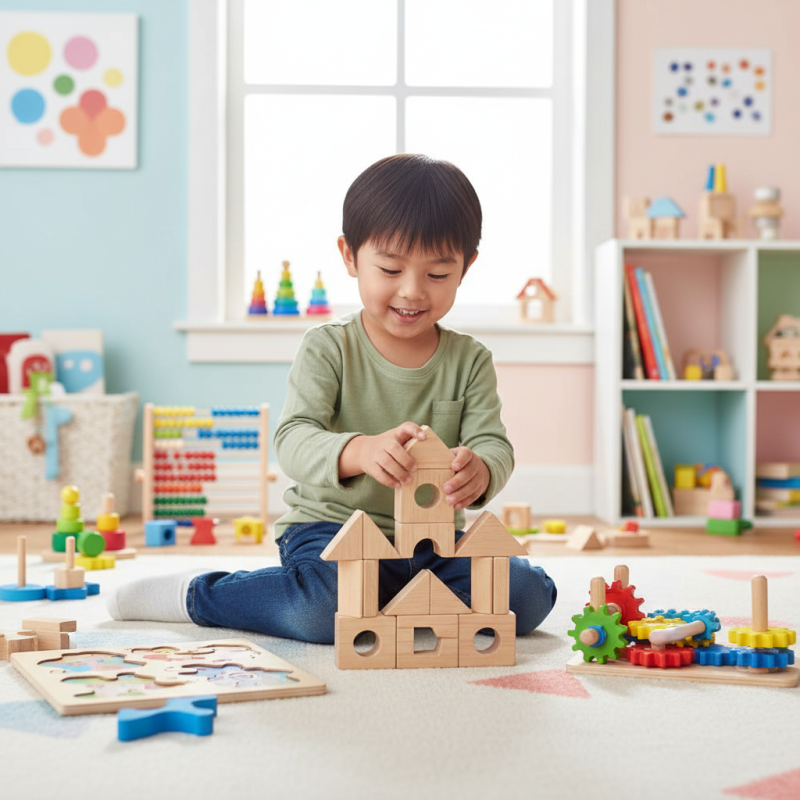
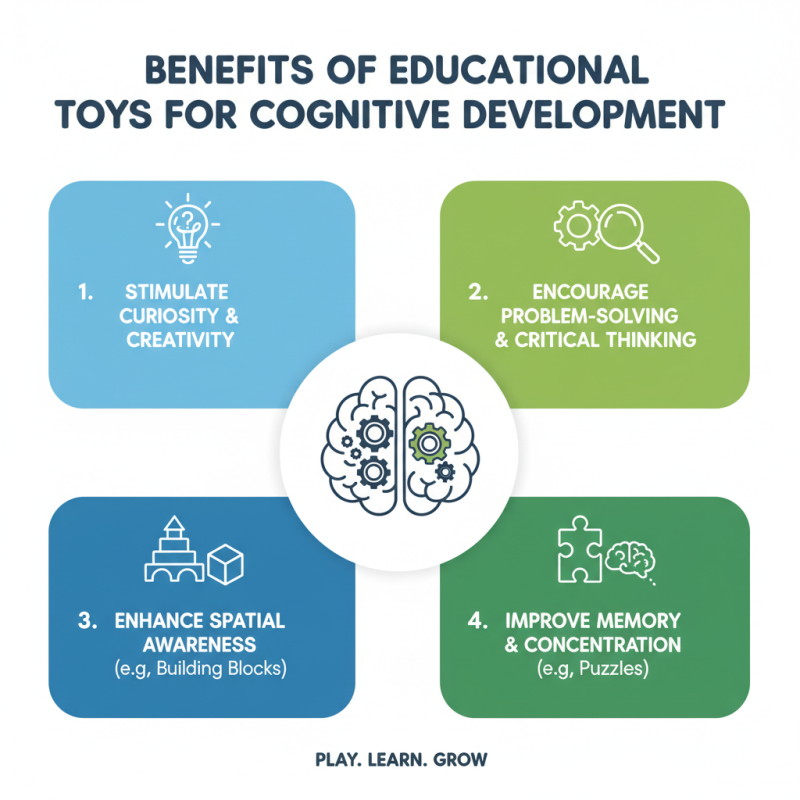
Educational toys play a crucial role in cognitive development for children. These toys stimulate curiosity and creativity. They encourage problem-solving and critical thinking skills. For instance, building blocks enhance spatial awareness. Simple puzzles improve memory and concentration.
Children need opportunities to explore and learn through play. Engaging with educational toys can spark a love for learning early on. Open-ended toys like art supplies foster imagination. They allow children to express themselves in unique ways. However, it's important to choose toys that match the child's developmental stage. Some toys might be too complex or too simple.
Observation is key. Parents should watch how their child interacts with various toys. This helps in understanding their interests and strengths. Selecting the right educational toy can be challenging. It's a process that requires attention and adaptation. Balancing fun and education can lead to better outcomes in cognitive skills.
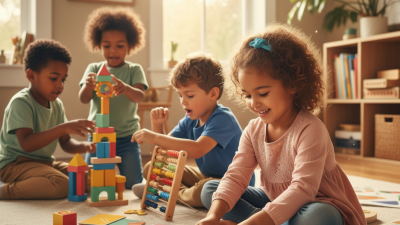
Educational toys play a vital role in developing social skills in children. These toys encourage interaction and collaboration among peers. When children engage in group play, they learn to share and take turns. This process helps them understand the importance of empathy and cooperation. Observing friends during play fosters critical communication skills. Children become more adept at expressing their thoughts and emotions.
Furthermore, educational toys can create unique scenarios that require problem-solving. For example, building blocks might prompt a discussion about balance and design. Through these interactions, children learn to negotiate solutions and compromise. This trial-and-error method can be messy. Sometimes, conflicts arise, and that’s okay. These moments are valuable learning experiences.
Playing with toys that inspire teamwork can be transformative. Children learn from each other's strengths and weaknesses. They may struggle with different ideas, leading to frustration or joy. Embracing these emotions is essential for emotional growth. Educational toys do not have to be perfect vehicles for learning. They serve as platforms for exploration and self-discovery, allowing kids to grow together.
Sensory play is a crucial aspect of early childhood development. It allows children to explore the world through their senses—touch, taste, sight, sound, and smell. Engaging with various materials provides children with hands-on experiences that stimulate brain development. This type of play encourages curiosity and creativity, which are essential for cognitive growth.
When selecting sensory toys, consider options that encourage exploration. Sand, water, and clay can offer diverse textures that enhance tactile experiences. Children can learn about cause and effect by pouring, molding, and mixing different materials. These activities also promote fine motor skills, which are vital for later tasks like writing and using scissors.
Tips for maximizing sensory play:
- Create a safe and designated space for messy play.
- Rotate activities to keep children engaged.
- Follow their lead and let them dictate the flow of play.
Sometimes, sensory play can get messy or noisy. It's important to embrace the chaos as part of the learning process. Remember, not every activity will be a success. Reflecting on what didn't work can provide valuable insights for future experiences. Approach sensory play with an open mind, and allow your child to explore at their own pace.
| Toy Type | Age Group | Developmental Benefits | Key Sensory Focus |
|---|---|---|---|
| Building Blocks | 1-3 years | Fine motor skills, spatial awareness | Touch, sight |
| Sensory Bins | 2-4 years | Creative thinking, sensory exploration | Touch, smell |
| Musical Instruments | 3-5 years | Rhythm understanding, auditory skills | Hearing |
| Art Supplies | 3-6 years | Creative expression, hand-eye coordination | Touch, sight |
| Puzzles | 2-5 years | Problem-solving, cognitive skills | Touch, sight |
When selecting educational toys for your child, age-appropriateness is crucial. Different developmental stages require varying types of stimulation and skill-building. According to a report from the American Academy of Pediatrics, play is vital for cognitive development. For infants to toddlers, toys should focus on sensory exploration. Soft blocks or textured balls can spark curiosity and enhance motor skills.
As children grow, their needs change significantly. Preschoolers benefit from toys that promote problem-solving and creativity. Building sets or art supplies can engage their imaginations. A 2021 study highlighted that children aged 3-5 who played with educational toys scored 25% higher in cognitive assessments than those who did not. However, it's essential to recognize that not all toys labeled as "educational" are effective or suitable. Parents should research and consider their child's interests and abilities to ensure a match.
Choosing toys involves a balance of fun and learning. While educational toys are beneficial, overly complex designs can lead to frustration. It's important to provide support and encourage exploration without overwhelming them. Open-ended toys like simple puzzles can inspire independent thinking, but a toy should not replace parental interaction. Understanding these nuances can lead to better choices that genuinely support your child's growth.
The chart above illustrates the importance levels of various developmental aspects that educational toys can enhance. Cognitive and creative development are particularly emphasized, indicating that selecting age-appropriate educational toys can significantly contribute to a child's growth and skills acquisition.
Incorporating educational toys into daily playtime can significantly enhance a child's development. Research from the American Academy of Pediatrics shows that playtime fosters creativity and problem-solving skills. Think about how a simple building block set can develop spatial awareness and fine motor skills. These toys encourage children to create and explore.
When adding educational toys to playtime, consider a variety of options. Puzzles, for instance, can boost cognitive skills while enhancing patience. A study by the National Institute for Play found that children who engage in problem-solving games show improved analytical thinking. Allow your child to navigate challenges and learn from mistakes. Learning through play fosters resilience.
Observe your child's preferences as you introduce these toys. Some children may gravitate toward storytelling dolls, while others prefer science kits. Tailor the experience to their interests. Engage in discussions about what they create. This dialogue promotes language skills. However, be aware that not all children will shine with every educational toy. Adjustments may be necessary to find what resonates best with them. Your involvement can further enrich their learning journey.
+86-754-86986185
David: info@yo-yo.net.cn
Susan: sales8@yo-yo.net.cn
Eunice: sales3@yo-yo.net.cn
Vincent: st88@sixtrees.cn
David: +86 13118683999
Susan: +86 13829657827
Eunice: +86 13809675407
Vincent: +86 13592830482