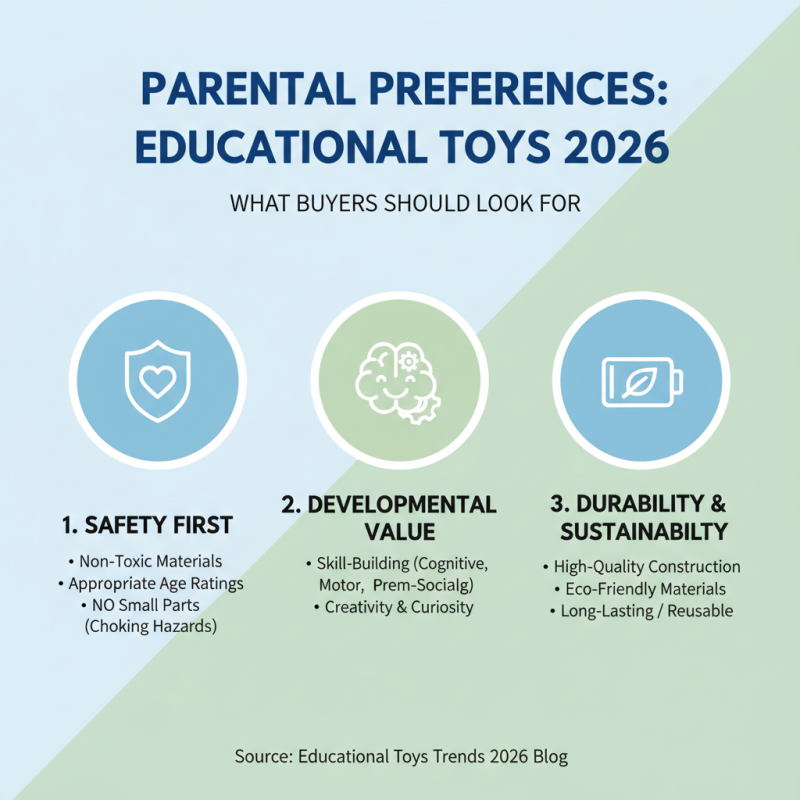
Top Educational Toys Trends in 2026 What Buyers Should Know?
As we look ahead to 2026, the landscape of educational toys is evolving rapidly. Parents and educators are increasingly recognizing the importance of play in learning. Educational toys are not just for fun; they foster creativity and critical thinking in children. This demand influences design and technology trends.
Many companies focus on STEM-based products. These toys help children understand concepts in science, technology, engineering, and mathematics. Eco-friendly materials are also gaining traction. Parents are now more conscious of sustainability and the impact of their purchases. However, with so many options, choosing the right educational toys can be overwhelming.
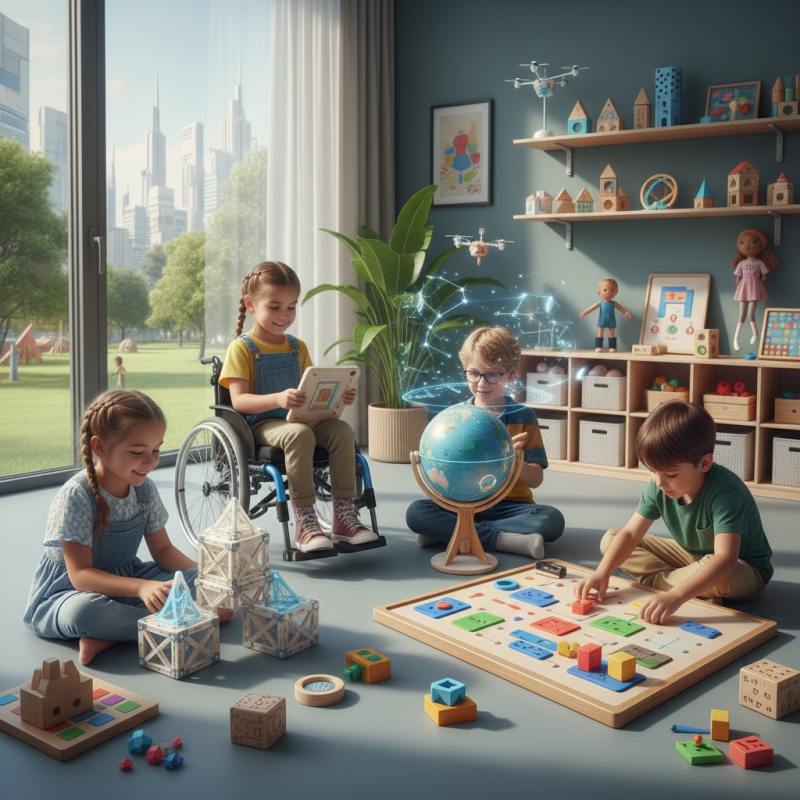
There is a growing emphasis on inclusivity in educational toys. Brands aim to create toys that cater to diverse developmental needs. This trend will require careful evaluation of options available. The challenge ahead is ensuring that educational toys offer genuine learning benefits. Parents must remain vigilant and seek out toys that truly enrich their children's growth and development.
Top Educational Toy Trends for 2026: A Comprehensive Overview
The educational toy market is evolving rapidly. By 2026, the industry is expected to reach over $10 billion, indicating strong growth. Parents are increasingly seeking toys that promote STEM learning. Reports suggest that 70% of parents prioritize educational value when choosing toys.
Interactive learning tools are gaining traction. Toys that combine digital elements with hands-on play are particularly appealing. For instance, augmented reality features can significantly enhance engagement, making learning more immersive. Yet, many products still lack adequate developmental assessments. It’s crucial for parents to research the educational claims of these toys.
Sustainability is another key trend. Eco-friendly materials are becoming popular. Approximately 50% of buyers now prefer toys made from recyclable resources. However, not all brands provide clear information about their materials. This raises concerns about transparency in the industry. More reliable certifications are needed to ensure products live up to their eco-friendly promises. So buyers should be cautious and informed as they navigate this expanding market.
Top Educational Toys Trends in 2026: A Comprehensive Overview
| Trend |
Description |
Target Age Group |
Learning Outcomes |
| STEM-Focused Toys |
Toys that promote science, technology, engineering, and mathematics skills through interactive play. |
5-12 years |
Critical thinking, problem-solving, and creativity. |
| Eco-Friendly Materials |
Toys made from sustainable and recyclable materials, appealing to environmentally conscious consumers. |
2-10 years |
Environmental awareness and responsibility. |
| Augmented Reality Integration |
Toys that utilize AR technology to enhance educational experiences through digital interaction. |
6-14 years |
Engagement, spatial awareness, and digital literacy. |
| Social-Emotional Learning (SEL) Toys |
Toys aimed at developing emotional intelligence and social skills among children. |
3-8 years |
Empathy, communication, and collaboration. |
| Modular and Customizable Toys |
Toys that can be assembled and reassembled in various configurations to foster creativity. |
4-12 years |
Creativity, spatial reasoning, and fine motor skills. |
Statistics on the Growth of the Educational Toy Market by 2026
The educational toy market is anticipated to reach $104 billion by 2026, according to a recent market analysis. This significant growth reflects a growing recognition of the value of experiential learning for children. Research indicates that educational toys promote critical thinking and creativity. Parents are increasingly seeking products that provide cognitive benefits while engaging children in playful experiences.
A detailed report highlights that STEM-focused educational toys are driving much of this growth. Statistically, sales for these toys are projected to increase by 15% annually. The rise of digital learning tools is also noteworthy. An estimated 30% of households with children will invest in tech-integrated toys by 2026. This trend demonstrates a shift towards incorporating technology into early education.
However, challenges persist in understanding the effectiveness of various educational toys. The diverse market can overwhelm consumers. Many toys claim educational benefits, but evidence may vary. Parents need to critically assess these claims and seek expert reviews. As useful as these toys can be, there are reflective concerns about overstimulation and screen time. Balancing technology and tactile play remains crucial for a child's development.
Top Educational Toys Trends in 2026
In 2026, the educational toy market is expected to see significant growth across various categories. STEM toys lead the way with a projected growth of 25%, followed by creative play at 20%. Language learning toys are projected to grow by 15%, while social and emotional development toys will see a 10% increase. Finally, sustainable materials in toys are anticipated to grow by 30%, illustrating a growing demand for eco-friendly products.
Innovative Technologies Shaping Educational Toys in 2026
In 2026, innovative technologies are transforming the landscape of educational toys. Data from the Global Toy Market Report indicates a significant shift towards STEM-focused products. The demand for toys that promote science, technology, engineering, and mathematics skills is expected to grow by 15% annually, reflecting a changing educational paradigm.
Augmented reality (AR) and artificial intelligence (AI) are at the forefront of this evolution. AR enhances interactive learning, allowing children to explore complex concepts through immersive experiences. For instance, a toy could visualize molecular structures, making learning more engaging. Meanwhile, AI helps personalize educational experiences. A toy might adapt its challenges based on a child's unique learning pace, ensuring effective skill development.
However, the rapid integration of technology raises critical questions. Parents must consider the balance between screen time and physical interaction. Over-reliance on tech may hinder social skills and emotional intelligence. Educators emphasize the need for a hybrid approach where traditional play complements technological benefits. Finding this balance is essential in leveraging these innovations effectively.
Sustainability and Eco-Friendliness: Key Factors in 2026 Educational Toys
In 2026, sustainability and eco-friendliness will dominate the educational toy market. Parents increasingly seek toys that are not only fun but also environmentally responsible. One trend is the use of recycled materials, ensuring that toys have a minimal carbon footprint. Many manufacturers are exploring biodegradable options as well. This shift responds to growing awareness of environmental issues among consumers.
Eco-friendly toys often come with educational value. They teach children about nature and sustainability while engaging their creativity. For example, building kits made from sustainable wood help kids learn engineering concepts. However, not all eco-friendly toys are created equal. Some may still involve harmful production processes. Buyers need to research brands, focusing on their environmental practices. This can be a complex task, but it’s essential for making informed purchases.
Soon, parents may find more certifications on toy packaging, indicating sustainable practices. Transparency will be critical in this evolving market. The challenge lies in balancing quality, safety, and environmental impact. Buyers should consider the entire lifecycle of a toy, from production to disposal. As educational toys evolve, it's crucial to align values with choices. This, in turn, helps shape a better future for both children and the planet.