Best Educational Toys for Kids to Enhance Learning Skills?
The importance of Educational Toys in a child's development is unquestionable. Dr. Sarah Thompson, an expert in child psychology, emphasizes this by stating, "Educational Toys engage young minds in ways that traditional learning cannot." These toys stimulate curiosity, creativity, and problem-solving skills.
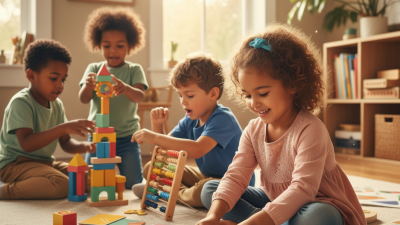
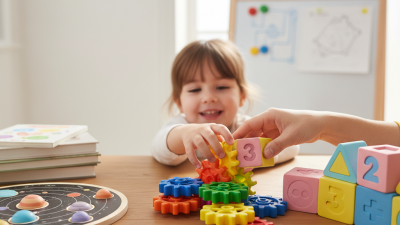
Children learn best when play is involved. Educational Toys provide hands-on experiences that traditional methods often lack. For instance, building blocks enhance spatial awareness, while puzzles improve critical thinking abilities. Such engagement results in deeper learning, which is vital for overall development.
Nonetheless, not every toy marketed as "educational" delivers real value. Parents must critically evaluate options. It is essential to choose toys that foster exploration and imagination. Reflecting on the landscape of Educational Toys reveals both promising trends and potential pitfalls. Ensuring children play with high-quality, purposeful toys is crucial for maximizing their learning potential.
Best Educational Toys for Developing Cognitive Skills in Early Childhood
Cognitive skills development in early childhood is crucial. Educational toys can significantly enhance these skills. Research from the National Association for the Education of Young Children (NAEYC) shows that play-based learning fosters engagement and critical thinking. Toys that encourage problem-solving and creativity can boost a child's ability to think independently.
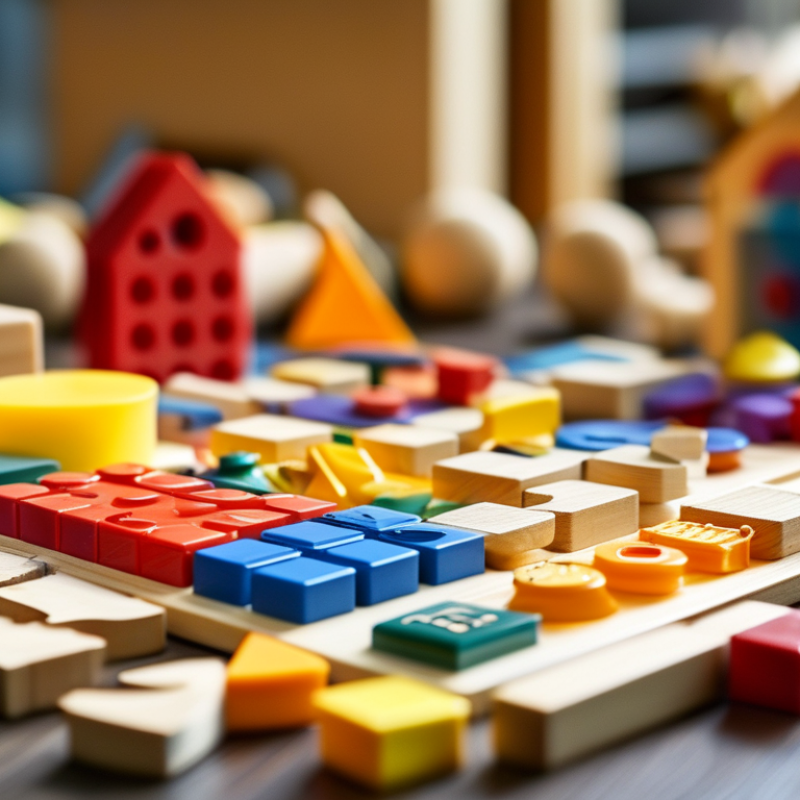
For instance, puzzles improve spatial reasoning. They challenge kids to find solutions while developing hand-eye coordination. According to a study by the American Psychological Association, children who engage with such toys score higher on IQ tests later in life. Building blocks also foster cognitive growth by allowing children to experiment and create.
However, it's essential to choose age-appropriate toys. Not all toys promote cognitive development effectively. Some may distract rather than engage. Observing how children interact with toys can provide insight into their developmental needs. Not every child responds the same way to every toy. It’s essential to reflect on each child’s unique preferences and interests to support their growth effectively.
The Impact of STEM Toys on Problem-Solving Abilities in Young Learners
STEM toys play a crucial role in enhancing problem-solving abilities in young learners. According to the National Association for the Education of Young Children, children exposed to STEM activities show better critical thinking skills. A study by the Joan Ganz Cooney Center found that 75% of children who engage with STEM toys improve their logical reasoning.
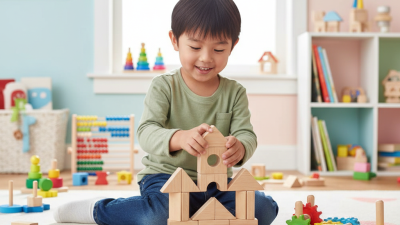
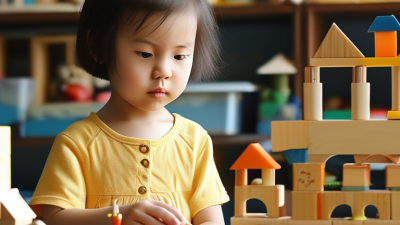
These toys foster curiosity and creativity. For example, building blocks not only enhance spatial skills but also encourage perseverance. Children often face challenges, like a structure collapsing, which requires them to try again. This trial-and-error approach is vital for developing resilience and a growth mindset.
However, not all children respond similarly to STEM toys. Some may find them frustrating rather than fun. This highlights the importance of balancing challenges with achievable goals. Parents should observe their children’s reactions to these educational tools, adjusting playtime accordingly. This ensures that the learning experience remains positive and enriching.
Impact of STEM Toys on Problem-Solving Abilities in Young Learners
Benefits of Creative Play: Enhancing Imagination and Critical Thinking
Creative play is essential for children's development. It fosters imagination and critical thinking. When children engage in hands-on activities, they can explore diverse ideas. This exploration sparks creativity and boosts self-confidence. Whether through art, building blocks, or role-playing, each experience offers unique learning opportunities.
Imagination plays a pivotal role in cognitive development. For example, creating stories or scenarios encourages children to think outside the box. They learn to solve problems independently. Critical thinking arises when they evaluate choices during play. They assess outcomes, which promotes analytical skills. Children's creative processes often lead to surprising, thought-provoking ideas.
However, not all play is beneficial. Some structured activities may limit creativity. Children need free playtime to express themselves fully. Over-scheduling can stifle imagination. Finding a balance is crucial. Parents should encourage open-ended play, allowing their kids to explore freely. This approach nurtures critical thinking while providing a canvas for creativity.
Role of Educational Games in Boosting Social Skills and Collaboration
Educational games play a critical role in enhancing social skills. According to a study by the National Association for the Education of Young Children, children who engage in group play activities show improved communication abilities. These games encourage sharing, turn-taking, and collaboration. They promote teamwork by requiring kids to work together to solve problems or achieve objectives.
Studies show that 70% of learning occurs during social interactions. When children play together, they learn to negotiate and resolve conflicts. A report from the American Psychological Association highlights that collaborative play fosters empathy. Children learn to recognize others' feelings, which enriches their emotional intelligence. However, not all games achieve these outcomes. Some competitive games can lead to frustration and isolation.
Another study found that children involved in cooperative games developed stronger friendships. About 80% of kids reported feeling more connected to peers after group play. Yet, some kids might feel overwhelmed in larger groups. This can hinder their engagement. Balancing group dynamics is essential. This highlights the importance of selecting appropriate educational games. Focus on those that promote inclusivity and support social interaction.
Choosing Age-Appropriate Toys: Insights from Child Development Experts
When choosing educational toys for children, age-appropriateness is crucial. Young children learn through play. Their cognitive, social, and physical skills develop in stages. Toys must match these developmental milestones. For toddlers, simple puzzles encourage problem-solving. Building blocks promote creativity and fine motor skills.
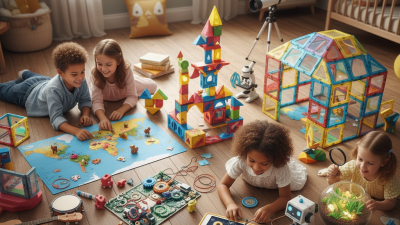
As children grow, their interests change. Older kids enjoy more complex toys that challenge them. Science kits and art materials can inspire curiosity and critical thinking. Choices should reflect individual interests as well. What intrigues one child may not appeal to another.
Experts recommend involving children in the selection process. This fosters a sense of ownership and can boost engagement. Not every toy will be a hit, and that’s okay. It’s vital to reflect on what works and what doesn’t, allowing for adjustment in teaching methods. Observing reactions to different toys can provide valuable insights into a child's preferences and learning style.