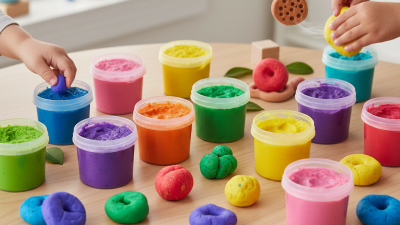
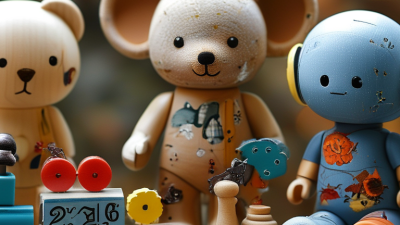
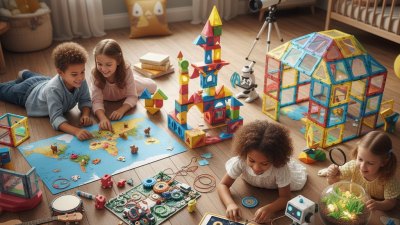
Buying Educational Toys wholesale can look simple until a warehouse fills with slow-moving stock. A colorful product may attract attention, yet it might lack durability, learning value, or clear age guidance. Retailers, schools, and childcare suppliers must evaluate more than unit price. They should examine materials, construction, packaging, safety information, and supplier reliability before placing a large order. Small details matter. Loose parts can disappear quickly. Weak hinges may break after repeated classroom use. Unclear instructions can frustrate both children and educators.
This guide presents seven practical tips for choosing Educational Toys wholesale with greater confidence. It focuses on supplier verification, product testing, age suitability, educational purpose, minimum order quantities, shipping conditions, and long-term value. Experienced buyers often request samples before committing to hundreds of units. That step costs time, but it can reveal sharp edges, poor printing, or confusing assembly instructions. Still, no checklist removes every risk. Market trends change, children respond differently, and even a well-reviewed product may underperform in one store. A thoughtful buyer should remain willing to revise assumptions. The cheapest option is rarely the strongest choice. Nor is the most expensive product automatically better. Reliable purchasing depends on evidence, careful comparison, and honest observation of how children actually use the toys.
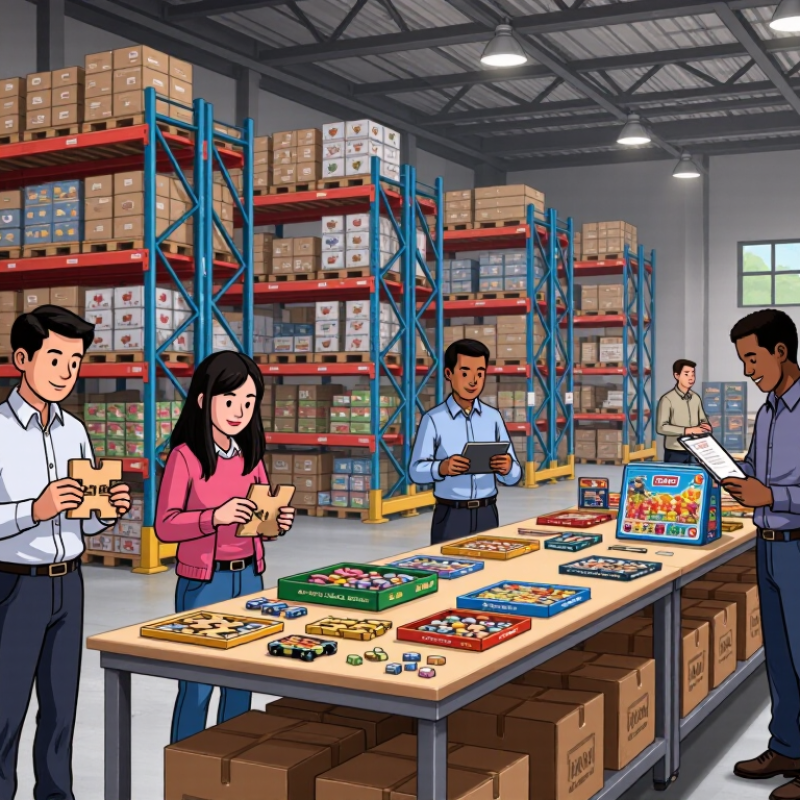
Wholesale buying becomes easier when the target learner is clearly defined. Be specific. Are you serving preschool classrooms, home-learning families, therapy centers, or after-school programs? Each group values different outcomes, budgets, and durability. A four-year-old may need large, graspable pieces, while an eight-year-old may benefit from coding logic or spatial challenges. Write one learner profile before contacting suppliers. Include age range, language level, motor skills, and typical play time.
Learning objectives should guide every product decision. If the goal is early numeracy, look for toys that let children count, compare, sort, and explain patterns. For language development, choose materials that encourage storytelling, vocabulary, and turn-taking. Avoid choosing a colorful item simply because it photographs well. Ask how a teacher or caregiver will use it during a real 20-minute session. Request clear instructions, material information, age guidance, and relevant safety test documentation. Reliable suppliers should answer consistently and provide samples for inspection.
Test a small batch with actual users before placing a large order. Observe whether children understand the task without constant adult help. Record broken parts, confusing instructions, and unused features. One weakness can matter more than ten attractive features. I once underestimated storage space when comparing classroom sets; the toys worked, but teachers disliked the oversized boxes. That mistake changed my checklist. Include shelf size, cleaning needs, replacement parts, and shipping protection. Review the results with educators, then adjust the order instead of defending an early assumption.

Use the target age group and its core developmental needs to guide your educational toy wholesale assortment. The chart shows a practical planning allocation for each learning objective.
Planning benchmark: percentage of assortment recommended for each learning objective within a target age segment. Adjust the mix according to your buyers, sales channels, and curriculum focus.
When buying educational toys wholesale, safety deserves more than a compliance label. The U.S. Consumer Product Safety Commission reported 231,100 toy-related emergency department injuries among children under 15 in 2023. Request current test reports from accredited laboratories, then inspect a physical sample yourself. Check sharp edges, loose seams, small parts, magnets, battery compartments, and strong chemical odors. Packaging should show clear age guidance and readable warnings. A perfect document is not enough.
Quality also appears in repeated handling. Twist a joint, open a latch, and drop the toy from child height. Does it crack, jam, or release tiny pieces? Ask about material specifications, batch controls, and defect rates. The OECD stresses that product safety systems depend on traceability and reliable information, not paperwork alone. Keep batch numbers and inspection photos. Wholesale savings can disappear quickly after returns.
Educational value should be visible during play. A 2016 JAMA Pediatrics study found that electronic toys produced fewer and lower-quality parent-child language interactions than books and traditional toys. Choose products that invite sorting, building, pretend play, movement, or shared conversation. Look for adjustable difficulty and more than one possible solution. Keep it simple. Bright colors are not learning outcomes. I sometimes overvalue clever features, too. A quiet wooden puzzle may teach more than a noisy toy with ten buttons. Ask whether children can use it independently, then whether adults can extend the play with questions.
Buying educational toys wholesale requires more than choosing the lowest quoted price. Compare suppliers using the same product details, including materials, dimensions, packaging, and learning purpose. Request samples before placing a large order. A brightly colored counting set may look excellent online but feel weak in person. Check seams, moving parts, instructions, and age guidance carefully. Safety documentation should be clear, current, and relevant to your selling region.
Minimum order quantities can change the real cost. One supplier may offer a lower unit price but require 1,000 pieces. Another may charge more per item with a 100-piece minimum. For a small shop, the second option may protect cash flow and reduce unsold stock. Calculate shipping, customs charges, packaging, inspection fees, and possible defect replacements. Compare the landed cost, not only the catalog price. Ask whether mixed colors or designs count toward the minimum. Sometimes they do not.
Use a simple spreadsheet to compare unit cost, MOQ, production time, payment terms, and replacement policies. Ask suppliers how they handle missing pieces or damaged cartons. Their response reveals reliability. I once focused too heavily on price and overlooked a long production delay. That mistake tied up seasonal inventory. Leave room for questions and negotiation. A supplier with consistent communication may be worth a slightly higher price, though this is not always easy to measure. Record every promise in writing.
Buying educational toys wholesale requires more than comparing unit prices. Request physical samples before placing a large order. Examine edges, seams, hinges, paint, smell, and small detachable parts. Test the toy as a child might use it. Pull, twist, drop, and repeat.
Ask for certificates and recent laboratory reports for the exact product model. Documents should identify the manufacturer, material, age range, test date, and applicable safety requirements. A generic certificate is not enough. Check whether the report covers choking risks, sharp edges, toxic substances, flammability, and mechanical strength. Keep digital copies with your purchase records. This creates a clearer audit trail.
Product reliability also depends on production consistency. Compare the approved sample with random units from different cartons. Check color changes, missing pieces, loose screws, and inaccurate instructions. Ask about batch codes, inspection procedures, replacement parts, and complaint response times. Packaging should protect corners and printed learning materials during transport. I once focused too heavily on attractive samples and overlooked weak packaging. That mistake caused avoidable returns. A small pilot order may reveal problems earlier. It is slower, but safer. Discuss quality thresholds in writing, including acceptable defect rates and inspection timing. Suppliers may promise consistency, yet evidence matters more than confident words.
| No. | Buying Tip | Data Dimension to Evaluate | Practical Check | Recommended Evidence or Benchmark | Reliability Risk if Missing |
|---|---|---|---|---|---|
| 1 | Order and inspect production samples | Material quality, dimensions, color accuracy, moving parts, packaging, and age grading | Compare the physical sample with the specification sheet, approved artwork, product photos, and purchase order before bulk production. | Keep a signed or digitally approved “golden sample.” Record dimensions, weight, materials, functions, and packaging details. | Unapproved material substitutions, inconsistent colors, poor fit, or missing parts may appear in the shipment. |
| 2 | Verify applicable safety certifications | Destination market, toy category, chemical limits, mechanical safety, flammability, and electrical requirements | Confirm which regulations apply to the destination country and product type. Check that the report identifies the exact model, materials, and tested configuration. | Relevant references may include ASTM F963, EN 71, ISO 8124, CPSIA requirements, or applicable local regulations. Request current, traceable test reports rather than only a logo or declaration. | A product can fail customs inspection, marketplace review, or mandatory safety requirements if documentation is incomplete or unrelated to the actual product. |
| 3 | Review material and chemical compliance | Plastic type, coatings, paints, adhesives, textiles, metals, batteries, and restricted substances | Ask for a complete bill of materials and verify that any change in resin, paint, coating, adhesive, or supplier triggers a compliance review. | Use laboratory reports appropriate to the destination market, such as heavy-metal migration, phthalates, lead, and relevant chemical restriction testing. | Hidden changes in materials can create toxicity concerns, odor problems, allergic reactions, or failed regulatory testing. |
| 4 | Test durability and product reliability | Drop resistance, seam strength, hinge cycles, pull strength, battery performance, and repeated-use function | Perform risk-based use simulations, including reasonable drops, repeated assembly, opening and closing, washing where relevant, and extended operation for electronic items. | Define measurable limits before inspection, such as no sharp edges, no detached small parts, no exposed wiring, and full function after the agreed test cycles. | Breakage, loose components, malfunction, or premature wear can lead to returns and safety complaints. |
| 5 | Set a documented quality inspection plan | Inspection stage, sample size, defect classification, measurement tools, and acceptance limits | Use pre-production, during-production, and pre-shipment checks. Classify defects as critical, major, or minor and define actions for each level. | An AQL plan may be used when agreed in advance. Critical defects should have a zero-tolerance rule; major and minor limits must be written into the purchase terms. | Without written limits, buyers and suppliers may interpret “acceptable quality” differently. |
| 6 | Confirm traceability and change control | Batch codes, production dates, component sources, revision numbers, and corrective-action records | Require the supplier to notify you before changing materials, molds, factories, packaging, software, or safety-critical components. | Each shipment should be linked to a purchase order, batch or lot number, inspection record, and approved product revision. | Defective lots become difficult to identify, isolate, or recall when records are incomplete. |
| 7 | Evaluate packaging, instructions, and after-sales support | Transit protection, warnings, assembly instructions, language requirements, spare parts, warranty process, and complaint response | Conduct carton drop and compression checks where appropriate. Review warnings, care instructions, age grading, assembly steps, and contact procedures for defects. | Packaging should protect the product during normal transport, while instructions should match the final product and destination-market requirements. | Damage in transit, misuse, incorrect assembly, and slow defect resolution can increase total ownership cost. |
Buying educational toys wholesale requires more than choosing colorful products. Plan inventory around learning goals, age ranges, and seasonal demand. Keep a small pilot order first; it exposes weak packaging and unclear instructions early. Track sell-through weekly, then reorder proven items instead of guessing. The 2024 NRF and Appriss Retail report estimated that 16.9% of U.S. retail sales were returned, so reserve cash for returns, replacements, and damaged stock.
Shipping deserves equal attention. Request carton dimensions, gross weight, production time, and destination-based freight quotes before confirming prices. UNCTAD’s Review of Maritime Transport reports that over 80% of global merchandise trade by volume travels by sea. Sea freight may reduce unit costs, but delays can empty shelves. Compare landed cost, not factory price. Add a buffer for port congestion, inspections, and inland delivery. Sometimes the cheapest quote is expensive.
Long-term supplier management needs written quality standards, sample approvals, batch records, and scheduled performance reviews. Check whether materials, age labels, and safety documents match your selling markets. Maintain at least one qualified backup supplier. Visit or remotely inspect production when practical. I have learned that friendly communication is not quality control. Review defect rates, response time, order accuracy, and late shipments each quarter. Leave room to revise forecasts; last year’s bestseller may become dead inventory this year.
+86-754-86986185
David: info@yo-yo.net.cn
Susan: sales8@yo-yo.net.cn
Eunice: sales3@yo-yo.net.cn
Vincent: st88@sixtrees.cn
David: +86 13118683999
Susan: +86 13829657827
Eunice: +86 13809675407
Vincent: +86 13592830482