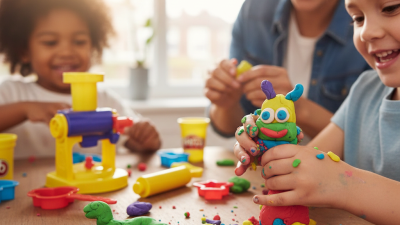
How to Make Play Dough at Home Easily for Kids
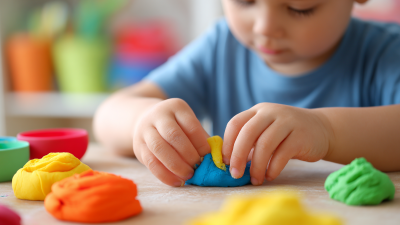
Play Dough is a classic activity that kids love. Making Play Dough at home can be easy and fun. It allows children to explore their creativity while developing fine motor skills. The process of creating this colorful, squishy substance invites young imaginations to flourish. You can use simple ingredients found in your kitchen.
Creating Play Dough offers a sensory experience. Children can mix, knead, and shape it into various forms. This hands-on activity can also lead to messiness. But that's part of the joy of crafting with Play Dough. Mistakes happen, and each batch might not turn out perfect. Embrace those imperfections; they can spark unique ideas.
Using a reliable recipe promotes safety and enjoyment. It’s important to ensure all ingredients are safe for children. Supervision is key, especially with younger kids. When you make Play Dough together, it fosters bonding time. Sharing this experience teaches patience and cooperation. Ultimately, the goal is to have fun and create lasting memories.
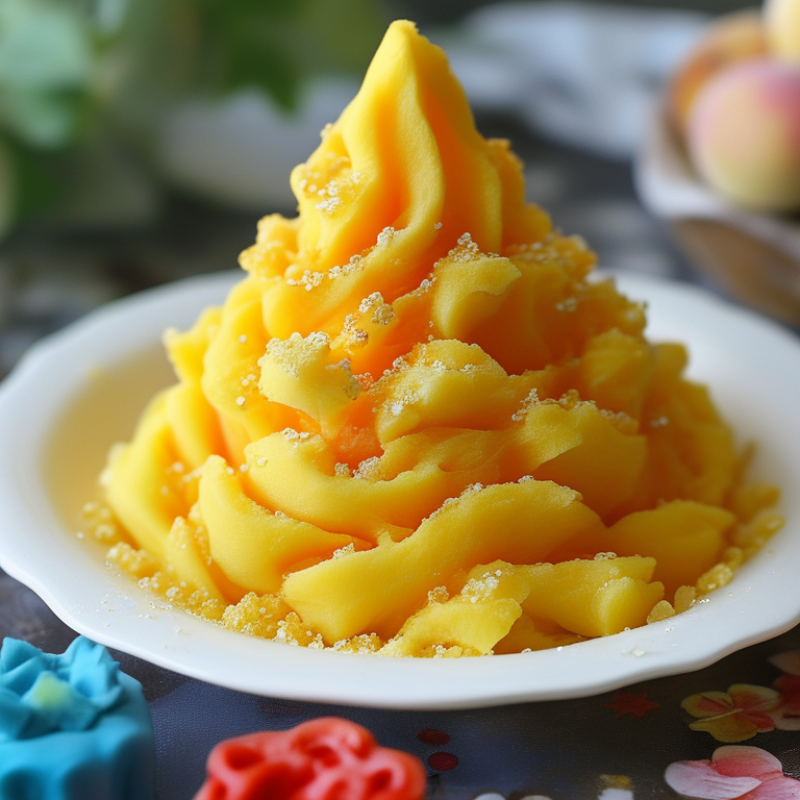
Gathering Essential Ingredients for Homemade Play Dough
Gathering essential ingredients for homemade play dough can be a fun activity for kids and adults alike. Start with basic pantry items like flour, salt, and water. You can also include cream of tartar if you want to enhance the texture. Often, these ingredients are inexpensive, making this a budget-friendly activity.
Kids love getting their hands messy. Wheat flour gives the best consistency. Salt ensures a longer shelf life, while cream of tartar helps maintain elasticity. Food coloring can be added for various shades. This also transforms a simple recipe into a creative outlet. Always supervise children, especially when measuring ingredients.
When preparing the dough, don’t rush. Allow kids to mix and knead the dough. If the dough is too sticky, sprinkle in more flour gradually. It’s okay if the texture seems off initially; just keep adjusting until it feels right. You might have to experiment a bit. Making mistakes can lead to delightful surprises in consistency and color.
Ingredients for Homemade Play Dough
Step-by-Step Instructions for Preparing Play Dough
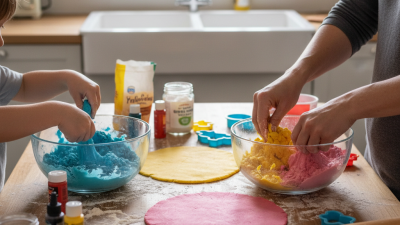
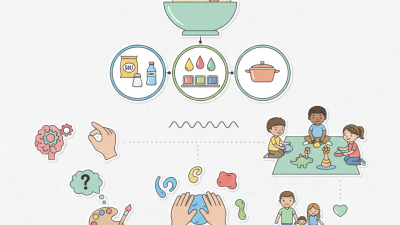
Making play dough at home is a fun and simple activity for kids. Start by gathering your ingredients: flour, salt, water, and cream of tartar. Mix them well in a bowl. For the best results, use warm water. This helps the dough become smooth and pliable.
Add a bit of vegetable oil to your mixture. This will make your play dough softer. Knead the dough for a few minutes until it becomes stretchy. If the dough is too sticky, add more flour gradually. Remember, every batch may need slight adjustments.
Keep the play dough stored in an airtight container. It can last for weeks. However, if it starts to dry out, you might need to add a little water and knead it again. Make the colors vibrant with food coloring or natural dyes. If the color doesn't mix well, that’s okay. You can always create new shades by combining different batches.
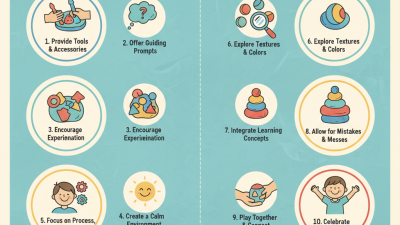
Have fun creating different shapes and figures. Encourage kids to express their ideas through play. Sometimes the best creations come from happy accidents. Embrace the process and enjoy the time together!
How to Make Play Dough at Home Easily for Kids - Step-by-Step Instructions for Preparing Play Dough
| Ingredient |
Quantity |
Purpose |
| Flour |
2 cups |
Main base ingredient |
| Salt |
1/2 cup |
Enhances flavor and preserves dough |
| Water |
2 cups |
Hydrates the mixture |
| Vegetable Oil |
2 tablespoons |
Adds smooth texture |
| Food Coloring |
As desired |
Adds color for fun |
Tips for Choosing Colors and Add-Ins for Play Dough
Creating colorful play dough at home can spark creativity in kids. Choosing the right colors and add-ins can enhance their play experience. Here are some ideas to make your play dough more exciting.
When selecting colors, consider using natural dyes. Beet juice can provide a vibrant red, while spinach can give a lovely green. These options are safer and more engaging for children. Many kids love mixing colors too. Allow them to experiment with their favorite shades. This could lead to unexpected and fun results.
Add-ins are another great way to customize play dough. You can incorporate glitter for a sparkling effect. Scents like vanilla or lavender can make playtime even more enjoyable. Adding small beads or sequins can enhance the texture. Be cautious with small items to ensure safety during play.
Creating your own play dough allows for open-ended creativity. Kids may not always achieve the exact shade or texture they envision. This is a valuable lesson in experimentation. The process is just as important as the final product. Encourage your little ones to embrace imperfections. These moments can lead to their greatest creations.
Storing and Preserving Your Homemade Play Dough
Storing and preserving homemade play dough is key to prolonging its life and keeping it fresh for your kids. According to a report by the American Academy of Pediatrics, engaging children in tactile play supports their sensory development. It’s best to store play dough in an airtight container after use. This simple step can significantly extend its shelf life, keeping it moist and reusable for weeks.
Making sure the dough is free from moisture before storing is crucial. If you notice your dough is getting dry, a few drops of water can help revive it. Avoid overworking the dough, as this can also lead to a faster drying process. Additionally, consider labeling your containers with the date of creation. Research suggests that homemade play dough typically lasts around 1-3 months, but this can vary based on moisture levels and storage conditions.
Sometimes, even with the best efforts, the dough can become crumbly or sticky. This is a sign it may be time to discard it and make a new batch. Creating play dough isn’t just about fun; it's also about learning how to manage resources. By experimenting with different ratios and ingredients, caregivers can teach kids about balance and consistency through hands-on experience.
Fun Activities and Uses for Play Dough with Kids
Play dough is a fantastic tool for creative play and learning. Kids can use it to mold various shapes, enhancing their fine motor skills. Encourage them to make animals, letters, or even their favorite foods. The tactile experience of squishing and rolling the dough provides sensory stimulation, which is especially beneficial for young children.
Creating stories with play dough can also be an excellent activity. After making their figures, children can act out scenes. This not only boosts their imagination but also encourages language development. You might notice they express themselves better during these play sessions.
When making play dough at home, consider adding colors or scents for a playful twist. Try using natural ingredients for dyes, like beet juice or turmeric. This can make the activity even more engaging. Encourage your child to experiment, even if things don’t turn out perfectly. It’s all part of the learning process. Play dough can be reused, so keep it stored in an airtight container. Kids will love returning to their creations later.