How to Choose the Best Clay Toys for Creative Play and Learning?
When it comes to creative play, "Clay Toys" hold a unique charm. Many children express their imagination through molding and sculpting. According to Dr. Emily Parker, an expert in childhood development, "Clay toys help in enhancing fine motor skills while allowing kids to explore their creativity." This makes them a worthy consideration for parents looking to enrich their children's playtime.
Choosing the right "Clay Toys" can be challenging. There are various options available, each with its own qualities. Parents may feel overwhelmed by bright colors, different textures, and the range of shapes. Not every option will suit every child. It’s essential to observe what engages your child the most.
Balance is key when selecting "Clay Toys." It’s about picking toys that inspire creativity but also encourage learning. Not every toy on the shelf will foster these skills. This requires reflection on your child's interests and abilities. Consider the benefits, but also the limitations of each toy. Ultimately, the right choice can make playtime a meaningful activity.
Understanding the Benefits of Clay Toys for Children’s Development
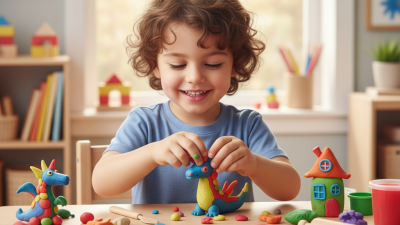
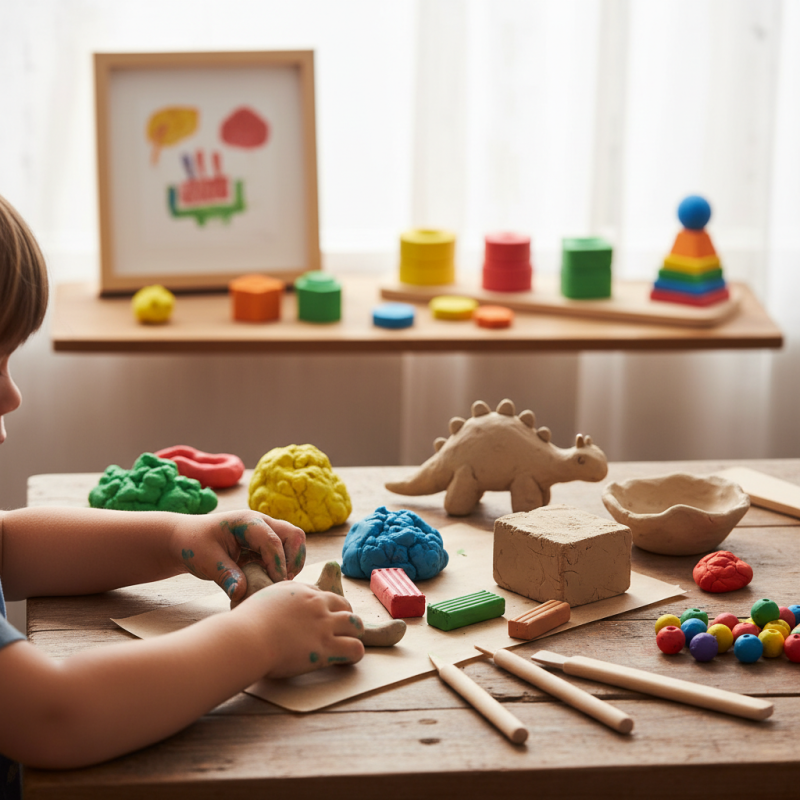
Clay toys offer numerous benefits for children’s development. They encourage creativity and self-expression. As kids mold and shape clay, they explore textures and colors. This exploration enhances their sensory skills. Each squish of the clay provides tactile feedback. Children learn to envision their ideas and bring them to life, fostering imagination.
Additionally, playing with clay boosts fine motor skills. Kids grasp, pinch, and roll the material. These movements strengthen hand muscles and improve coordination. It's fascinating to see how a simple ball of clay can turn into a tiny animal or a building. Some kids might struggle to create their desired shapes. This is normal and part of the learning process. They learn patience and perseverance.
Clay play also supports emotional development. It offers a safe outlet for expression. Children can communicate feelings through their creations. Messiness is often part of the experience, which can be frustrating. Cleaning up might become overwhelming at times. However, it teaches responsibility and planning. Encouraging kids to reflect on their work nurtures critical thinking.
Key Features to Look for in High-Quality Clay Toys
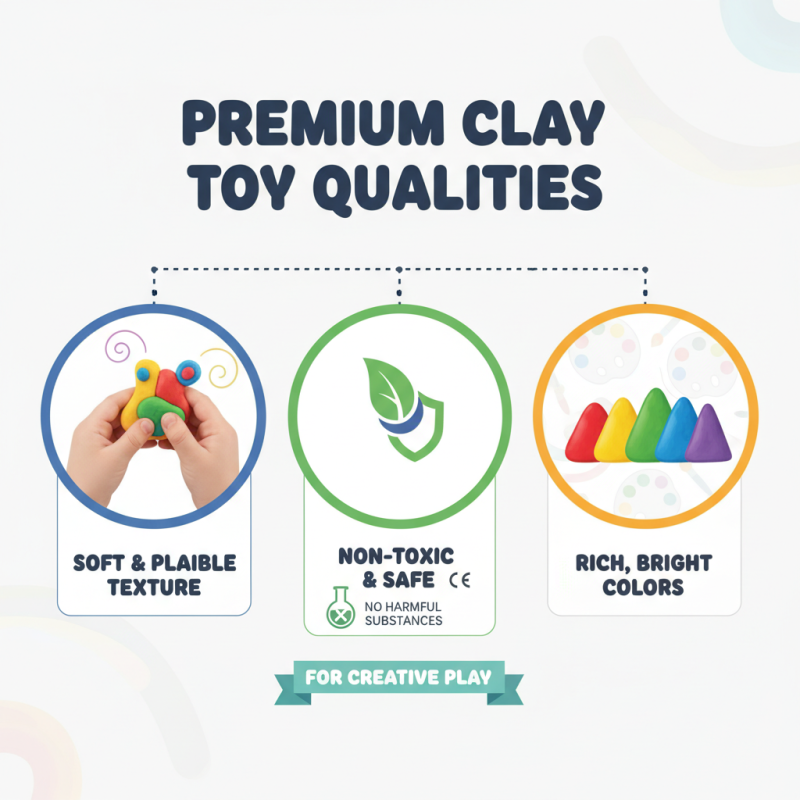
When selecting high-quality clay toys, several key features stand out. The first is the texture of the clay. Soft, pliable clay is easier for young hands to manipulate. Look for toys that can be easily molded without breaking. A good clay should have vibrant colors, but safety is crucial. Non-toxic materials are a must for children's products.
Durability is another trait that shouldn’t be overlooked. Some clay toys crumble easily, which can cause frustration. A product that lasts through multiple play sessions is valuable. Watch out for toys that fade or lose their shape quickly. Also, consider the packaging. Biodegradable or recyclable materials help promote environmental awareness in children.
Finally, include the aspect of creativity in your choice. Toys should encourage imagination, not limit it. A set that allows customization will inspire kids to think outside the box. It’s vital to choose toys that balance fun with education, fostering essential skills in a playful manner. Learning through play can sometimes result in messy situations. Embrace the chaos; it’s part of the experience.
Types of Clay Toys Suitable for Different Age Groups
When selecting clay toys for various age groups, consider their developmental needs. For toddlers aged 1-3, look for soft, lightweight clay. It should be easy to mold and safe if accidentally ingested. Bright colors attract their curiosity and help enhance motor skills. Simple shapes like animals or fruits are ideal. This encourages exploration and creativity.
As children grow, their capabilities expand. For ages 4-6, incorporate more advanced clay sets. These may include tools for sculpting and varying textures. This age group enjoys creating intricate designs. They often mimic what they see, like favorite characters. Clay toys also spark their imaginations during play. However, supervision is essential as their creations may become messy.
For older kids, aged 7 and up, consider specialty clays. Polymer and air-dry options allow for more complex projects. Children this age can follow instructions or invent their own designs. They may not always achieve perfection, which is a vital part of the learning process. These experiences often lead to problem-solving skills. Encouraging them to reflect on their creations allows for personal growth.
Safety Considerations When Choosing Clay Toys for Kids
When selecting clay toys for children, safety is a top priority. Studies show that 40% of parents express concern over materials used in kids' toys. This worry often stems from the presence of harmful chemicals. It’s critical to choose toys made from non-toxic and hypoallergenic materials. Look for products that comply with safety standards. Certifications from relevant organizations can provide peace of mind.
Another important aspect is age appropriateness. The American Association of Pediatrics suggests that children under three should avoid small parts to prevent choking hazards. Opt for clay toys designed specifically for various age groups. They should be soft, easy to manipulate, and free from sharp edges. Consider the texture, as some materials may irritate sensitive skin.
Texture can impact both enjoyment and safety. Not every child likes the same feel of clay. For example, some prefer a fluffy consistency, while others might like firmer products. It's also worth noting that some children may have allergies. Always test the clay on a small area of the child’s skin first. Unconventional choices might lead to unexpected reactions, so vigilance is essential. Parents should observe their children during play. This ensures that the experience remains enjoyable and safe.
Tips for Encouraging Creative Play with Clay Toys
Clay toys can unlock a world of creativity for children. To encourage imaginative play, provide a variety of colors and textures. Kids love mixing shades to create unique sculptures. Set up a play station with tools like rolling pins and molds. This sparks ideas and helps develop fine motor skills too.
Creating with clay isn’t always perfect. Sometimes, the shape collapses or the color turns muddy. This can be frustrating, but it’s a valuable learning moment. Encourage kids to embrace mistakes. They can learn to reshape or repaint their projects. This process builds resilience and problem-solving skills.
Engage in clay play together. Share your ideas and creations. This not only strengthens bonds but inspires creativity. Ask open-ended questions about their designs. What do they love about their work? Such conversations enrich the experience. Each session with clay can be a journey of discovery and fun.
Creative Play with Clay Toys