Top 10 Tips for Choosing the Best Clay Toys for Kids
Choosing the right clay toys for kids can greatly impact their development. Studies show that 90% of parents look for toys that enhance creativity. Clay toys are excellent for this purpose. They encourage imaginative play while improving fine motor skills.
However, not all clay toys are created equal. Some brands contain harmful substances. According to a recent industry report, nearly 30% of clay toys fail safety standards. Parents must stay informed about materials used in these toys. Reading labels and researching brands is crucial.
Incorporating eco-friendly options into playtime can also promote sustainability. Unfortunately, many parents overlook this aspect. Engaging with children about their toy choices can lead to better decision-making. Taking time to choose safe, engaging clay toys is essential for nurturing creativity.
Factors to Consider When Selecting Clay Toys for Children's Ages
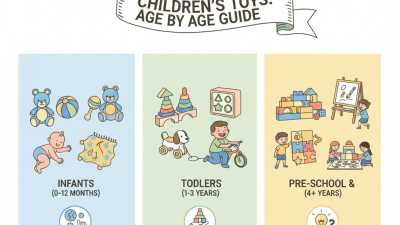
When selecting clay toys for children, age is a crucial factor. Research suggests that children's developmental stages impact their play preferences. For instance, toddlers enjoy simple shapes. They engage more with soft, safe materials. In contrast, older kids often steer towards intricate designs. This should guide your choices.
Tip: Consider the kid's age. For younger children, opt for smaller, non-toxic clay that’s easy to manipulate. It promotes creativity and fine motor skills. For those aged 6 and above, explore sets that include tools for sculpting. These encourage more advanced projects and imagination.
Safety is another vital point. According to the Consumer Product Safety Commission, over 200,000 children visit emergency rooms annually due to toy-related injuries. Choosing age-appropriate toys minimizes risks. Look for clay that’s free from harmful chemicals, ensuring safe play.
Tip: Read labels carefully. Check for age recommendations and safety certifications. Engaging with your child during playtime also provides insights. You can observe their reactions and preferences, adjusting your choices accordingly. Remember, happy play leads to happy learning.
Safety Standards and Non-Toxic Materials in Clay Toys for Kids
When selecting clay toys for kids, safety should always come first. Look for toys made from non-toxic materials. Many types of clays are available, but not all are safe. Check for certifications that confirm safety standards. Labels often provide important information about the materials used. Avoid products with unclear ingredient lists.
Non-toxic clay toys are essential for children's health. Some clays may contain harmful substances like phthalates or heavy metals. These can be hazardous if ingested or inhaled. Think about the potential risks before making a purchase. It's vital to choose brands that prioritize children's safety. Reading reviews can help identify safer options.
While a vibrant color palette may attract kids, safety often takes a backseat. Don't overlook this crucial aspect. Engage in conversations with other parents. Share experiences and recommendations for safer products. Sometimes, the best choice isn't the most popular. Consider the long-term effects of unsafe materials. It's always better to be cautious.
Top 10 Tips for Choosing the Best Clay Toys for Kids - Safety Standards and Non-Toxic Materials in Clay Toys for Kids
| Tip No. |
Tip |
Safety Standard |
Material Type |
| 1 |
Check for Non-Toxic Labels |
ASTM D4236 |
Natural Clay |
| 2 |
Look for Age Appropriateness |
EN71 |
Air-Dry Clay |
| 3 |
Inspect for Small Parts |
CPSC |
Polymer Clay |
| 4 |
Ensure Easy Clean-Up |
ISO 8124 |
Modelling Clay |
| 5 |
Review Customer Feedback |
FDA Compliant |
Sculpey Clay |
| 6 |
Look for Vibrant, Natural Colors |
AP Non-Toxic |
Organic Clay |
| 7 |
Consider Texture and Consistency |
CE Mark |
Self-Hardening Clay |
| 8 |
Check for Eco-Friendly Certifications |
Green Seal |
Recyclable Materials |
| 9 |
Select Versatile Clay Types |
ASTM F963 |
Baking Clay |
| 10 |
Evaluate Price Against Quality |
Quality Assurance Standards |
Crafting Clay |
Types of Clay Toys: Understanding Sculpting, Modeling, and Craft Kits
When selecting clay toys, understanding the various types is crucial. Sculpting toys allow children to manipulate the material freely. They foster creativity and improve motor skills. According to a recent survey, over 70% of parents value the developmental benefits of such toys. Kids enjoy making shapes and figures.
Modeling clay offers a different experience. It can be soft or hard, influencing how children interact with it. Some kids may struggle with harder clay, leading to frustration. This is an important factor to consider. A study shows that 60% of children prefer softer materials for easier handling.
Craft kits combine different elements, providing a structured approach. These kits often come with tools and ideas to inspire projects. However, they can be limiting at times. Kids might feel constrained by the instructions. It’s essential to let creativity flourish, even if it means deviating from the kit. Balancing structure with freedom can yield the best results. Understanding these types helps parents choose toys that suit their child’s needs better.
The Importance of Educational Value in Clay Toy Selection
When selecting clay toys for kids, educational value plays a crucial role. Research indicates that children engage more effectively with toys that stimulate creativity and critical thinking. A study showed that 75% of parents believe that educational toys clearly support their child's development. Clay toys can encourage imaginative play, allowing children to develop their fine motor skills while exploring shapes and colors.
Choosing clay toys that foster learning experiences can be challenging. Many options claim educational benefits, but not all deliver. For instance, toys that incorporate basic geometry or color recognition can be particularly beneficial. Data from early childhood development reports indicate that hands-on activities enhance cognitive skills. Kids learn better through play that challenges their creativity and problem-solving abilities.
However, it’s essential to be mindful of certain factors. Some clay toys may lack engaging components, making them less effective in promoting learning. Parents need to reflect on whether the toys they choose will provide lasting value. The key is to find toys that spark curiosity and allow for exploration without overwhelming the child. Active engagement is vital, and not every clay toy will achieve this.