Choosing the best Children Toys made in China requires more than checking price or factory photographs. Quality depends on design, materials, safety testing, age suitability, and production control. Circana’s 2024 Global State of the Toy Industry reported that worldwide toy sales reached approximately $108.7 billion in 2023, despite a year-on-year decline. China remains a major manufacturing center, supported by extensive supplier networks and specialized production clusters.
China Customs data, referenced by industry trade reports, placed China’s toy exports at roughly $38 billion in 2023. However, export value alone does not prove product quality. Some factories excel at wooden puzzles, while others specialize in plush toys, building sets, or electronic learning products. The difference often appears in small details: smooth edges, secure battery compartments, clean paint, readable instructions, and durable packaging.
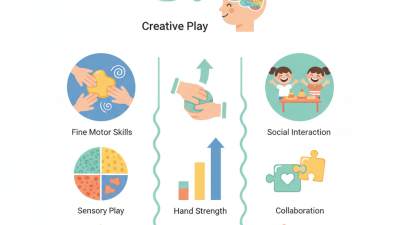
Children need meaningful play.
Toy-industry analyst Richard Gottlieb has often emphasized that “the toy business is a business of emotion.” That view matters here. A good product should feel safe in a child’s hands and useful in everyday family life. Still, no supplier deserves automatic trust. Third-party testing, factory audits, sample reviews, and transparent certifications remain essential. Reports from Circana and the China Toy & Juvenile Products Association offer useful market context, but they cannot replace hands-on evaluation. This guide therefore compares Chinese Children Toys through practical evidence, not marketing claims. Some conclusions may remain imperfect, because supplier data can change quickly and quality can vary between production batches.
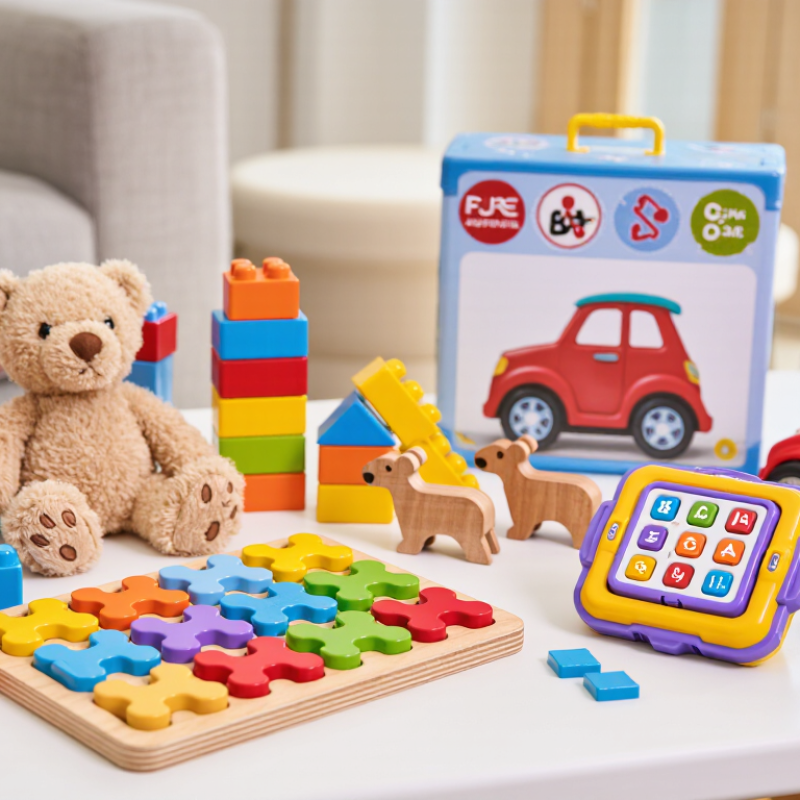
Children’s toys made in China stand out through a dense manufacturing ecosystem. It combines material suppliers, mold workshops, electronics specialists, and testing laboratories. This structure helps factories develop a plastic puzzle, wooden vehicle, or STEM kit with fewer delays.
China Customs reported approximately $31.1 billion in toy exports during 2023. That scale supports competitive pricing and flexible production volumes. Small buyers can request color changes, safer edges, bilingual instructions, or redesigned packaging. Prototypes can also move quickly from a digital drawing to a hand-tested sample. The advantage is practical, not mysterious.
Safety remains a stronger differentiator than low cost. Responsible manufacturers test toys against standards such as ISO 8124 and relevant destination-market requirements. The European Commission’s Safety Gate reports continue to identify toys among frequently notified product categories. This shows why documentation, traceability, and batch testing matter. A bright sample proves little. Material records and test reports provide better evidence.
Circana reported a 7% decline in global toy sales in 2023. Manufacturers therefore face pressure to control prices without weakening durability. Better factories use thicker stress points, secure battery compartments, washable coatings, and repeated drop testing. Yet quality can still vary between suppliers. Buyers should inspect production samples, not trust photographs alone. This is where China’s manufacturing strength becomes conditional: excellent results require clear specifications, independent checks, and honest communication.
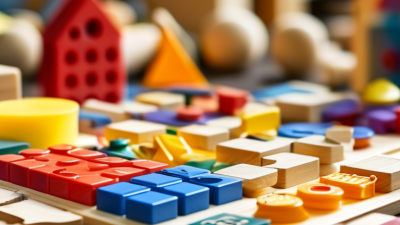
Children’s toy production in China covers a wide range of categories, from simple wooden puzzles to electronic learning sets. Educational toys often include stacking blocks, shape sorters, magnetic tiles, counting games, and early science kits. These products are usually designed for specific age groups, with clear attention to size, grip, color, and motor skills.
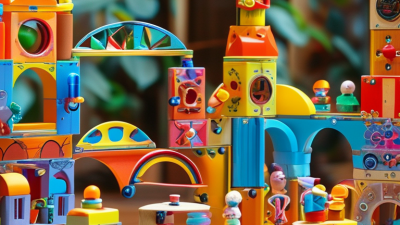
Plush toys, dolls, pretend-play kitchens, and miniature vehicles are also widely manufactured there. Factories may handle fabric cutting, stuffing, painting, stitching, and packaging in one production line. Wooden toys can feature smooth edges, water-based coatings, and engraved details. Plastic toys often use injection molding, which supports consistent shapes and larger production volumes. Outdoor products include scooters, sand-play tools, ride-on vehicles, and small sports equipment.
Quality depends on more than the product category. Material records, factory inspections, sample testing, and age-based safety checks all matter. Small parts need special attention because loose pieces can create choking risks for young children. I have found that a bright sample can hide weak stitching or rough edges. It looks good at first.
Toy buyers should review testing documents, production samples, and packaging labels before placing large orders. Some factories are excellent at plush products but less experienced with electronic components. Others produce attractive wooden toys but need better coating control. This difference is easy to miss during a short factory visit.
Chinese children’s toys are designed through a practical mix of play value, safety, and production efficiency. Designers usually begin with an age group and a simple play action, such as stacking, sorting, pulling, or pretending. They study hand size, attention span, and possible misuse. A toy for toddlers needs larger parts, smooth edges, and clear color contrast. A toy for older children may include more complex mechanisms, but it still needs controlled movement and durable materials.
Manufacturing often starts with digital drawings and a physical prototype. Engineers test the mold, plastic thickness, hinges, paint adhesion, and sound levels. Production teams then use injection molding, assembly lines, and batch inspections. Reliable factories keep material records and arrange independent laboratory testing for relevant toy safety requirements. They also check small parts, sharp points, flammability, and chemical limits. A prototype may look perfect and still fail after repeated drops. That is why sample testing should continue during mass production. Factories sometimes optimize speed too aggressively. This can create uneven seams or loose components.
Tips: Ask for age-based safety documents, recent test reports, material specifications, and production photos. Request a pre-shipment inspection. Check several units, not only one sample. Visit the factory when possible, and watch how workers handle unfinished parts. No process is flawless. Good suppliers welcome careful questions and correct weak details before shipment.
Children’s toys made in China must meet safety rules in both China and the destination market. The main Chinese standard is GB 6675, which covers mechanical, physical, flammability, and chemical risks. Certain toy categories also require China Compulsory Certification before domestic sale. Exported toys may need additional testing under standards such as EN 71, ASTM F963, CPSIA, or REACH.
Details matter. A safety review should check small parts, sharp edges, accessible batteries, magnets, sound levels, and flammable materials. Chemical testing commonly examines lead, certain plastic softeners, and other restricted substances. Age grading must match the toy’s real risks, not just its packaging. An accredited laboratory should test representative samples, while production records should connect results to a specific batch.
Paperwork can mislead.
A factory certificate is not permanent proof of safety. Formulas, suppliers, paint colors, or assembly methods may change after testing. I would request current laboratory reports, material declarations, and batch traceability before placing an order. A pre-shipment inspection can reveal loose wheels, poorly sealed battery compartments, or detached decorations. However, inspection samples are limited, so they cannot guarantee every unit. That limitation deserves honest attention when selecting toys made in China.
| Toy Category | Typical Recommended Age | Common Materials | Key Safety Features to Check | Relevant Safety Standards and Requirements | Quality Verification Points |
|---|---|---|---|---|---|
| Building Blocks and Construction Sets | Usually 3 years and older; age depends on piece size and design | Plastic, wood, or composite materials | Large pieces for younger children, smooth edges, secure connections, and no detachable small parts | China: GB 6675 series International: ISO 8124, EN 71, ASTM F963, or applicable national requirements |
Check for small-parts warnings, sharp-point testing, material safety, and resistance to breakage during normal use |
| Wooden Puzzles and Learning Toys | Commonly 18 months and older, depending on piece size | Solid wood, plywood, water-based coatings, and paperboard | Non-toxic surface coatings, securely attached knobs, rounded edges, and splinter-free surfaces | China: GB 6675 series International: ISO 8124 and EN 71 coating and migration requirements where applicable |
Verify coating migration results, formaldehyde limits where relevant, wood surface quality, and attachment strength |
| Plush and Soft-Filled Toys | Often suitable from birth only when specifically designed and tested for infants | Textile fabric, polyester fiberfill, cotton, and plastic components | Secure eyes and seams, non-shedding fabric, washable construction, and no accessible stuffing | China: GB 6675 series and applicable textile requirements International: EN 71, ASTM F963, or ISO 8124 as applicable |
Test seam strength, pull resistance of attached components, flammability, colorfastness, and fiber cleanliness |
| Pretend-Play Sets | Usually 3 years and older | Plastic, fabric, cardboard, wood, and metal components | No sharp edges, safe hinges, stable accessories, secure fasteners, and clear age labeling | China: GB 6675 series International: ISO 8124, EN 71, ASTM F963, and destination-market chemical requirements |
Inspect small components, pinch points, accessible magnets, paint or coating migration, and packaging warnings |
| Ride-On Toys and Scooters | Varies by product; use only within the stated age, height, and weight limits | Plastic, steel, aluminum, rubber, and foam | Stable base, effective steering limitation, reliable brakes where provided, secure wheels, and smooth surfaces | China: GB 6675 series and relevant product-specific requirements International: ISO 8124, EN 71, ASTM F963, or applicable mobility-toy standards |
Check stability, impact resistance, wheel and axle strength, load testing, entrapment risks, and instructions for protective equipment |
| Infant Rattles and Teething Toys | Designed for infants; age suitability must be stated on the packaging | Food-contact-grade silicone, rubber, plastic, and textile materials | Large enough to avoid swallowing, securely sealed, free of detachable parts, and resistant to biting and impact | China: GB 6675 series International: ISO 8124, EN 71, ASTM F963, and applicable chemical restrictions |
Perform bite, pull, drop, and torsion checks; verify absence of accessible liquid, loose fillers, and hazardous magnets |
| Arts, Crafts, and Modeling Materials | Varies widely; products for children under 3 require special attention to ingestion hazards | Wax, clay, dough, paper, pigments, glue, and plastic tools | Non-toxic ingredients, child-safe tools, sealed containers, and clear use and storage instructions | China: GB 6675 series and applicable chemical safety requirements International: ASTM F963, EN 71, ISO 8124, and destination-market chemical rules |
Review ingredient documentation, heavy-metal migration, preservative controls, contamination prevention, and required warnings |
| Battery-Powered and Electronic Toys | Depends on the design; battery compartments should be inaccessible to young children | Plastic, circuit boards, batteries, wiring, and electronic components | Secure battery door, correct polarity markings, protected wiring, low-temperature surfaces, and no accessible button batteries | China: GB 6675 series and GB 19865 for applicable electric toys International: EN 62115, ASTM F963 electrical provisions, and applicable electromagnetic or radio requirements |
Check electrical insulation, abnormal-operation performance, battery-compartment screw security, overheating, and electromagnetic compatibility |
| Magnetic Toys | Only for ages allowed by the product design and applicable market rules | Plastic, metal, and permanent magnets | Magnets must be permanently enclosed and resistant to pull-out, impact, and repeated use | China: GB 6675 series and applicable product requirements United States: CPSIA requirements and applicable federal toy rules Other markets: EN 71 or ISO 8124 requirements where applicable |
Test magnet retention after abuse testing; assess magnetic flux, small-parts risk, labeling, and age grading |
| Outdoor Water and Sand Toys | Usually 18 months or 3 years and older, depending on small parts | Plastic, silicone, rubber, and stainless steel | Drainage where needed, smooth edges, stable construction, and resistance to sunlight and moisture | China: GB 6675 series International: ISO 8124, EN 71, ASTM F963, and applicable chemical requirements |
Check plastic integrity, colorant migration, water retention, mold prevention, and durability after outdoor exposure |
Choosing a reliable Chinese toy manufacturer requires more than comparing unit prices. Circana’s 2024 Global Toy Market Report recorded a 7% sales decline across its tracked markets in 2023. This pressure can encourage factories to cut corners. Buyers should inspect production records, material specifications, worker training, and complaint history before negotiating volume.
Request recent test reports for every toy version, not only a similar sample. Depending on the destination market, verify compliance with EN 71, ASTM F963, or ISO 8124 requirements. Check small parts, paint migration, sharp edges, magnets, batteries, and flammability. Independent laboratories should receive samples directly from controlled production batches. Ask for evidence. Documents alone are not enough.
A factory audit should examine incoming material labels, assembly lines, packaging areas, and final inspections. The United Nations Global Compact reports that supply-chain transparency remains a major challenge across manufacturing sectors, so traceability deserves practical attention. Record lot numbers and retain sealed samples. Use a pre-shipment inspection with measurable defect limits. I still treat any perfect audit score cautiously. Real factories have weak days. A responsible supplier explains failures, accepts corrective actions, and provides dated follow-up proof. Small pilot orders can reveal inconsistent colors, loose wheels, or unclear instructions before a large payment is committed. Cost matters, but reliable evidence matters more.
+86-754-86986185
David: info@yo-yo.net.cn
Susan: sales8@yo-yo.net.cn
Eunice: sales3@yo-yo.net.cn
Vincent: st88@sixtrees.cn
David: +86 13118683999
Susan: +86 13829657827
Eunice: +86 13809675407
Vincent: +86 13592830482