Top 10 Play Dough Brands for Creative Fun Worldwide?
Play Dough has captivated the hearts of children and adults alike. This versatile medium fosters creativity and imagination. According to renowned play expert Dr. Lisa Johnson, “Play Dough is a gateway to creative expression.” Her insight highlights the significance of this simple substance in the developmental stages of children.
In recent years, numerous brands have emerged, each offering unique qualities and features. Some prioritize eco-friendliness, while others focus on vibrant colors or scents. As parents, choosing the right Play Dough brand can feel overwhelming. The texture, malleability, and safety of the dough play a vital role in the creativity it inspires. It’s essential to find a brand that aligns with your child’s needs.
Navigating the plethora of options available today, it’s worth reflecting on the importance of quality in Play Dough. Not all products perform the same, and some may not withstand the rigors of play. This can lead to frustration. Therefore, understanding the strengths and weaknesses of each brand is crucial for an enjoyable and rewarding creative experience.
Overview of Play Dough and Its Benefits for Children
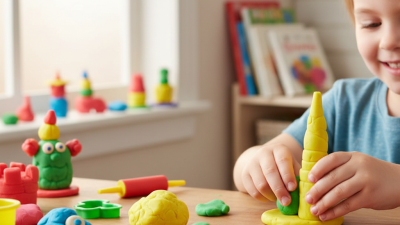
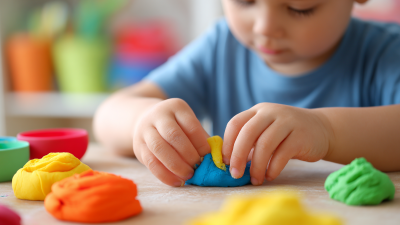
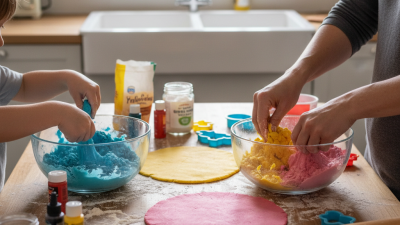
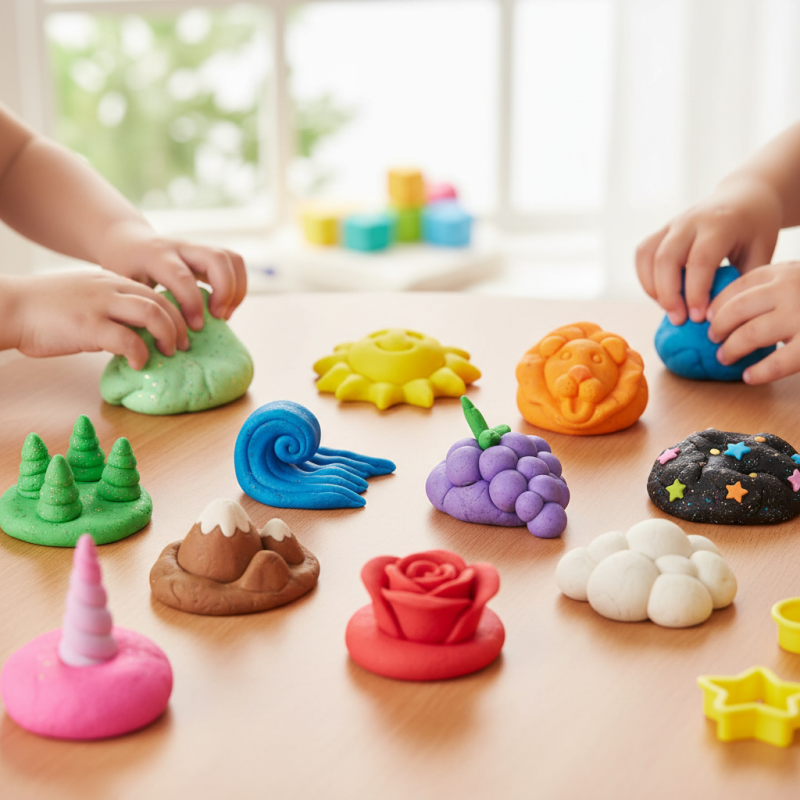
Play dough is more than just a colorful substance. It offers various benefits for children's development. Engaging with play dough can enhance fine motor skills. Children use their hands to mold, squish, and roll the dough. This tactile experience strengthens hand muscles and improves coordination. As they explore textures and shapes, their sensory perception grows.
Creative play with dough fosters imagination. Kids often create stories or scenarios while molding characters or structures. This unstructured play allows them to express their thoughts. However, it's important to monitor the amount of time spent. Too much independent play can sometimes lead to isolation. Interaction with peers during play is essential for social skills development.
Additionally, play dough can serve as a calming tool. The act of squeezing and shaping provides a sense of relief. Yet, it's crucial to ensure that the materials used are safe and non-toxic. Some brands may contain harmful ingredients. This consideration adds an essential layer of responsibility for caregivers. Keeping a close eye on the types of play dough available can significantly influence a child's experience.
Top 10 Play Dough Brands Compared: Ingredients and Safety Ratings
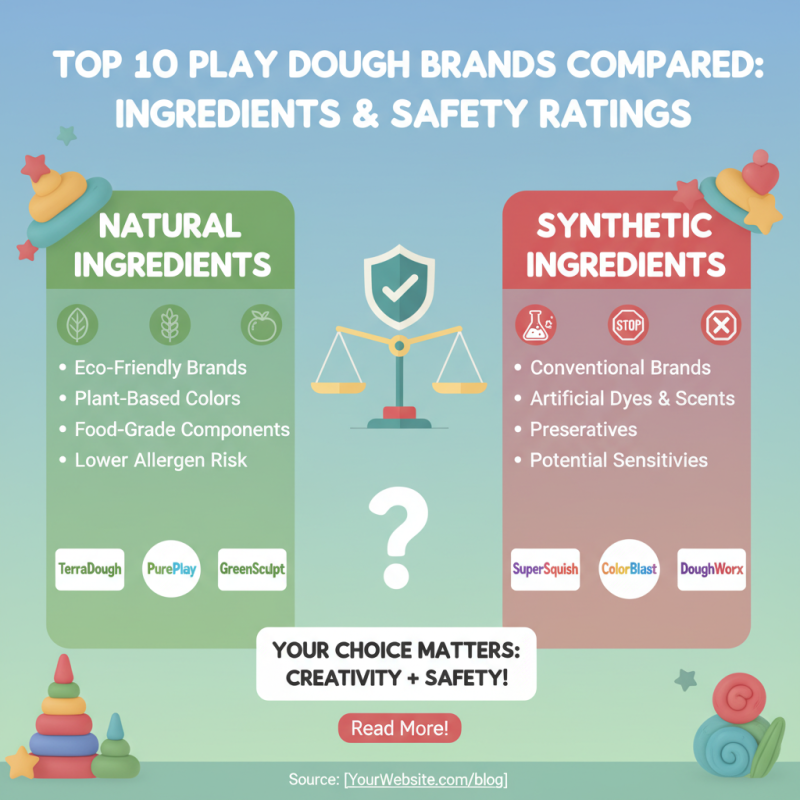
Play dough is not just a simple toy; it is a tool for creativity and exploration. As parents, choosing the right brand can be overwhelming. Some play doughs contain synthetic colors and preservatives, while others use natural ingredients. Each brand has its unique formula that can impact safety and enjoyment.
When evaluating play dough, consider its ingredients carefully. Non-toxic materials are essential for safe play. Some brands may pride themselves on being eco-friendly, using natural dyes and gluten-free components. However, others may not disclose all their ingredients fully, which raises concerns.
Safety ratings also matter. Brands with rigorous testing tend to be more reliable. Always check for age recommendations. A product safe for toddlers might not be suitable for older children. Personal experience has shown that children may react differently to various brands. Therefore, it is vital to observe how your child interacts with a specific dough. Explore options, but remain cautious and informed.
Creative Play: How Play Dough Enhances Child Development
Play dough is much more than a simple crafting material. It provides a fantastic avenue for children to express creativity. As they mold and shape the dough, kids enhance their fine motor skills, which are essential for writing and daily tasks. The tactile experience stimulates their senses, promoting cognitive development in a playful way.
Playing with dough encourages imagination. Children can create anything from animals to entire worlds. This process can ignite storytelling skills, giving children the chance to narrate their creations. Even simple play can foster emotional intelligence. As kids share their dough creations, they learn about sharing and collaboration.
Tips: Encourage open-ended play. Set up a variety of tools and textures. This could spark even more ideas. Don't rush the process. Allow time for children to explore and enjoy their play. Remember, mistakes in molding can lead to unexpected creations and lessons. Embrace the mess, as it's all part of the fun and growth.
Global Trends in Play Dough Production and Eco-Friendly Options
In recent years, play dough production has seen a shift towards sustainability. Industry reports indicate that nearly 40% of manufacturers are exploring eco-friendly materials. These materials often include biodegradable options made from organic ingredients. Parents are now more aware of the environmental impact of toys. They seek alternatives that are safe and sustainable for their children.
The market for eco-friendly play dough is expanding rapidly. A survey revealed that 55% of consumers prefer brands that prioritize environmental responsibility. This trend is fostering innovation. Companies are experimenting with natural dyes and non-toxic ingredients. However, challenges remain. Sourcing high-quality, sustainable materials can be costly. This could lead to higher prices for consumers.
There's a noticeable gap in the availability of information on these products. Many consumers may still be unaware of the eco-friendly options available to them. Education on the benefits of sustainable play dough is crucial. As demand grows, it is essential for brands to provide transparency in their production processes. The path to greener play dough is still in its early stages, offering both potential and the need for improvement.
Top 10 Play Dough Brands for Creative Fun Worldwide
| Rank |
Country of Production |
Key Ingredients |
Eco-Friendly Options |
Average Price ($) |
| 1 |
USA |
Flour, Salt, Water |
Yes |
15 |
| 2 |
Germany |
Wheat Starch, Natural Dyes |
Yes |
20 |
| 3 |
Canada |
Cornstarch, Vegetable Oil |
Yes |
18 |
| 4 |
Australia |
Rice Flour, Natural Oils |
Yes |
22 |
| 5 |
Italy |
Natural Colors, Salt |
No |
17 |
| 6 |
UK |
Flour, Water, Vegetable Extracts |
Yes |
19 |
| 7 |
France |
Organic Flour, Salt |
Yes |
21 |
| 8 |
Japan |
Mochiko, Natural Flavors |
Yes |
23 |
| 9 |
Sweden |
Potato Starch, Salt |
No |
16 |
| 10 |
Brazil |
Natural Gum, Dyes |
Yes |
14 |