Top Children Toys Trends for 2026 What Should Parents Know?
In the ever-evolving landscape of Children Toys, 2026 promises to bring exciting trends. According to a recent industry report, the global toy market is projected to reach $100 billion by 2026. Parents should be aware of key trends that will shape their children’s play experiences.
Sustainability is gaining momentum. Parents now prefer eco-friendly toys made from natural materials. Almost 35% of parents are willing to pay more for sustainable options. This shift reflects a growing concern for the environment. Digital integration is also on the rise. Interactive and smart toys are becoming increasingly popular. They offer children engaging experiences while promoting learning.
However, it is important to consider the balance. Screen time and toy usage need careful monitoring. Some toys may unintentionally discourage creativity and physical activity. As parents choose toys for their children, reflecting on these trends and potential drawbacks is essential. Engaging with the right toys can shape a child’s development positively.
Emerging Technologies in Children's Toys for 2026
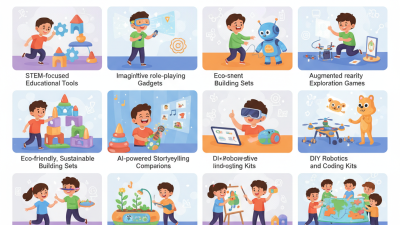
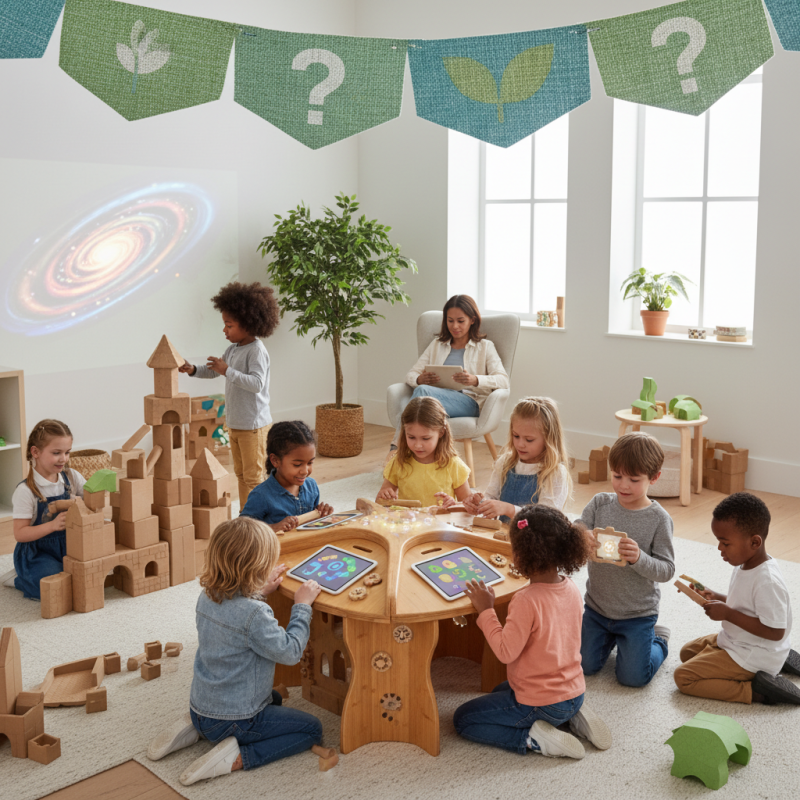
The toy industry is evolving rapidly, driven by new technologies. In 2026, parents will notice a shift towards interactive and educational toys. These innovations utilize artificial intelligence to adapt to children's learning styles. This personalization enhances play and fosters creativity.
Augmented reality (AR) toys are becoming more popular. Kids can interact with virtual elements while playing. This technology stimulates imagination and engagement. However, parents should consider screen time limits. Balancing digital interaction with physical play remains crucial.
In addition, robotics is emerging in children's toys. Kids can build and program their robots, encouraging STEM learning. However, not all kids may find coding intuitive. It's essential for parents to support their children through challenges. This journey could spark interest in technology or leave them frustrated. Finding the right balance is key.
Sustainability and Eco-Friendly Trends in Toy Design
As we look to 2026, sustainability will dominate the toy industry. Parents are increasingly seeking eco-friendly options for their children. The trend will expand beyond just materials; it will shape how toys are designed. Many toys will utilize recycled plastics or organic materials. This shift reflects a growing concern for our planet.
Families want toys that teach environmental responsibility. Some toys will incorporate renewable energy sources, like solar power. Others may be multifunctional, reducing the need for multiple products. However, the challenge lies in ensuring these toys remain engaging for children. It’s essential to balance fun and education.
Kids may still crave traditional toys that spark imagination. It can be hard to convince them to choose eco-friendly options. Parents might feel conflicted about enforcing sustainability. The journey will require adaptation and patience, but the benefits for future generations are undeniable. What we choose to buy now will shape the world of tomorrow.
Influence of Educational Value in 2026 Toy Trends
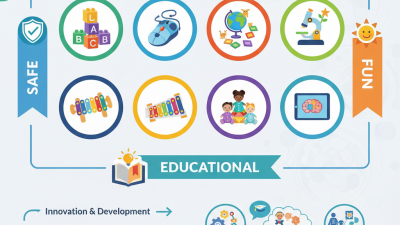
As we look ahead to 2026, educational value will significantly shape toy trends. Parents are increasingly aware of the importance of learning through play. They seek toys that promote critical thinking, creativity, and social skills. Interactive games and STEM (Science, Technology, Engineering, and Mathematics) kits will reign supreme, blending education with fun. Kids will explore science experiments or coding through engaging activities. These experiences will spark curiosity and enthusiasm.
However, not all educational toys meet expectations. Some may aim for high engagement but lack substantial learning. Parents need to scrutinize products. Ask questions about the skills a toy truly nurtures. In addition, balance is key. While educational value is essential, children also need free play. Too much focus on learning can stifle creativity. It is necessary to reflect on how toys fit into children's diverse needs. As trends evolve, education and joy should coexist in every child’s playtime.
Top Children Toys Trends for 2026 - Influence of Educational Value in 2026 Toy Trends
| Toy Category |
Educational Value |
Popularity Ranking |
Projected Market Growth (%) |
| STEM Toys |
Promotes critical thinking and problem solving |
1 |
25% |
| Creative Arts & Craft Kits |
Enhances creativity and fine motor skills |
2 |
20% |
| Interactive Learning Toys |
Facilitates learning through play |
3 |
18% |
| Sustainable Toys |
Promotes environmental awareness |
4 |
15% |
| Role Play & Pretend Toys |
Encourages social skills and empathy |
5 |
10% |
Popular Themes and Characters Shaping the Toy Market
In 2026, children's toys are expected to be influenced by popular themes and characters. Kids will be enchanted by vibrant colors and imaginative designs. These trends will draw from animated series, movies, and even books. Characters that resonate emotionally will dominate the market. They encourage creativity and storytelling.
Additionally, there’s a noticeable shift towards eco-friendly materials. Parents are more aware of sustainability. This change challenges manufacturers to innovate. Many toys will incorporate organic materials and recycled components. It’s not just about fun; it’s about responsibility too.
However, navigating these trends can be tricky. Not every trendy toy will capture a child’s attention. Sometimes, it’s the old-fashioned toys that become unexpected favorites. Reflecting on what truly engages children can lead to more meaningful play experiences. Parents need to balance popular trends with their child's unique interests.
Top Children Toys Trends for 2026
Parenting Insights: Choosing Toys for Developmental Benefits
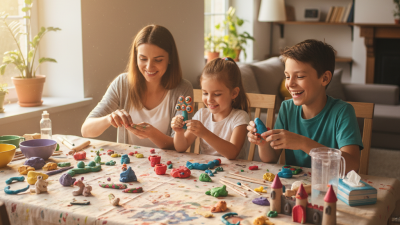
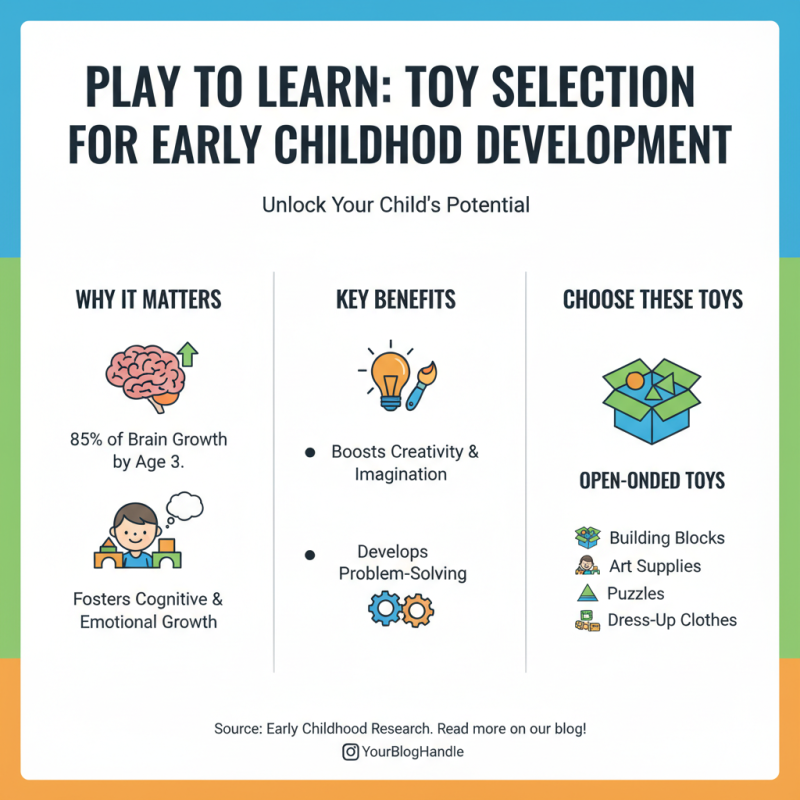
Choosing the right toys for children is crucial for their development. Research shows that 85% of brain growth occurs by age three. This highlights the importance of selecting toys that foster cognitive skills and emotional growth. Parents should look for toys that encourage creativity and problem-solving. Open-ended toys that require imagination can lead to significant developmental benefits.
Parents often feel overwhelmed by choices. The toy market is vast and continually evolving. A study from the Toy Association found that 72% of parents prioritize educational value when selecting toys. This is a notable shift in consumer behavior. However, in the pursuit of educational toys, parents may overlook the importance of play. Play is essential for emotional maturity and social skills. Parents should ensure toys balance both learning and fun.
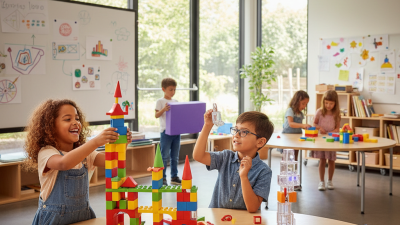
Developmentally beneficial toys are often those that promote interaction. For instance, toys that encourage cooperative play can enhance social skills. However, parents sometimes emphasize individual play. This can limit opportunities for collaboration. Observing how children engage with toys can provide insight into their needs and preferences. In this aspect, reflection on the selection process is vital. Simplifying the toy collection may actually enhance their play experience.