Top 10 Children Toys in China You Must Know?
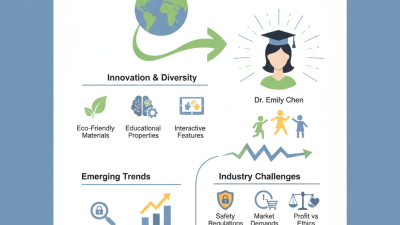
In the vibrant world of **Children Toys**, experts emphasize the importance of choosing the right toys for kids. Dr. Emily Huang, a child development specialist, states, "The right toys ignite imagination and foster learning." This insight resonates deeply in China, where the toy market continues to expand rapidly.
Today's children are more discerning than ever. They are drawn to toys that offer engagement and education. Parents face the challenge of finding toys that are not only fun but also support their child's development. The latest trends show a mix of traditional toys and innovative tech-based options. However, the sheer variety can be overwhelming.
While some toys are celebrated for their creative potential, others may fall short. They might be colorful and entertaining but lack educational value. A toy's price does not always reflect its quality. Parents are encouraged to research and reflect on their choices. Understanding what toys truly benefit children is crucial in this diverse market.
Trending Toy Categories for Chinese Children
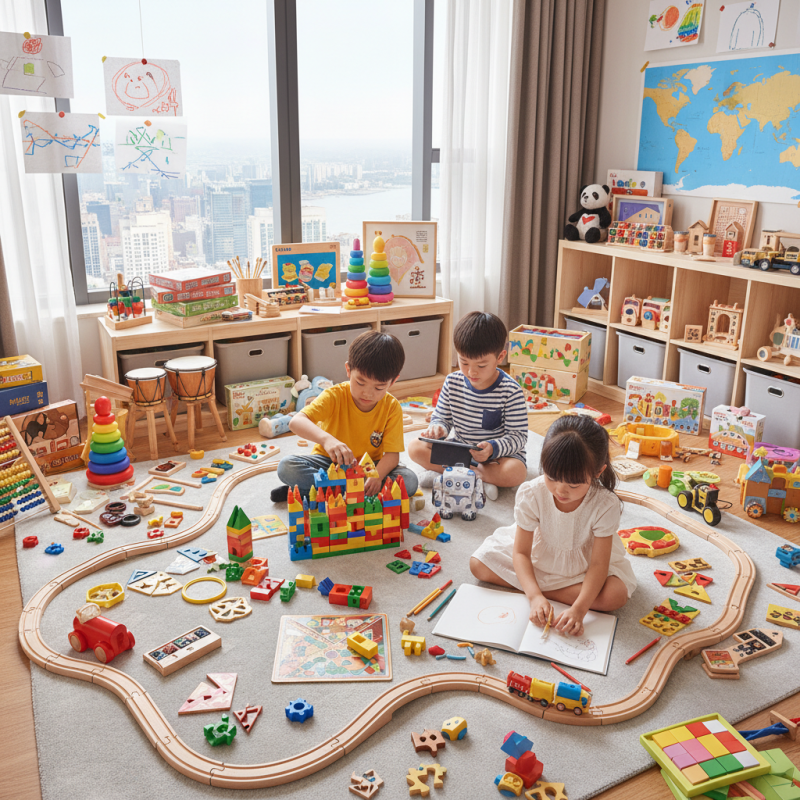
In recent years, the toy market in China has seen significant growth. It is projected to reach over 80 billion USD by 2025, according to a report by Market Research Future. The demand for innovative and educational toys is rising. Parents are increasingly seeking toys that promote learning and development. This trend has shifted the spotlight onto STEM (Science, Technology, Engineering, Math) toys, which are particularly popular among children aged 3 to 12 years.
Moreover, eco-friendly toys are gaining traction in China. With growing awareness of environmental issues, parents prefer sustainable materials. A survey indicated that over 60% of parents would choose eco-friendly options for their children. This shift not only reflects changing consumer values but also challenges manufacturers to adapt their production processes. Parents often struggle between choosing safe toys and ensuring they are engaging enough for their kids. The balance between safety and fun is a complex playground.
Furthermore, digital and interactive toys are on the rise. Many children now engage with toys that combine physical play with digital elements. Reports show 45% of children interact with electronic toys regularly. However, dependence on digital devices raises concerns about screen time and its impact on child development. Balancing traditional play with digital engagement remains a challenge for many families. It is pivotal to reflect on these trends and their implications as the toy market evolves.
Safety Standards and Regulations for Children's Toys in China
When it comes to children's toys in China, safety is a top priority. The country has established strict safety standards to ensure toys are safe for kids. The GB 6675 standard is a key regulation. This standard covers mechanical and physical properties, flammability, and toxic elements. Compliance with these standards is crucial for manufacturers.
Tips: Always check for labels indicating compliance with national standards. Look for the China Compulsory Certification mark, which indicates safety compliance.
Manufacturers must also adhere to regular testing procedures. This helps identify potential hazards in toys. Ensuring durability is important too. Toys should withstand typical wear and tear from children's play. Yet, some manufacturers cut corners to save costs, which is concerning.
Tips: Parents should inspect toys carefully before purchase. Look for any sharp edges or small parts that could pose risks.
In addition to safety standards, import regulations are also significant. Imported toys must pass safety inspections upon entry. Ensuring these toys meet local standards prevents dangerous products from reaching stores. It's essential for families to stay informed about recent recalls or safety updates regarding toys.
Top 10 Children Toys in China You Must Know?
| Toy Name |
Age Group |
Material Safety |
Regulation Compliance |
Average Price (CNY) |
| Building Blocks |
3+ |
Non-toxic Plastic |
GB 6675 |
150 |
| plush Doll |
1+ |
Soft Cloth |
GB 9846 |
120 |
| Educational Robot |
5+ |
ABS Plastic |
GB 児 |
450 |
| Puzzle Game |
4+ |
Wood |
GB 6675 |
100 |
| Remote Control Car |
6+ |
Plastic and Metal |
GB 4943 |
300 |
| Art Supplies Set |
3+ |
Non-toxic Materials |
GB 4806 |
200 |
| Board Game |
8+ |
Cardboard |
GB 6675 |
180 |
| Outdoor Play Tent |
2+ |
Nylon |
GB 14747 |
500 |
| Musical Instruments |
3+ |
Wood/Plastic |
GB 6675 |
250 |
Popular Toy Brands Dominating the Chinese Market
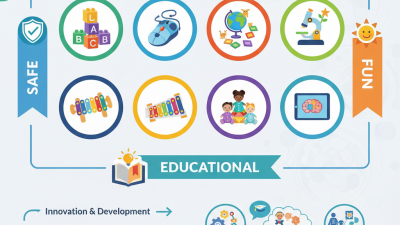
The toy industry in China is booming, with brands gaining immense popularity. Many brands focus on creating toys that stimulate creativity and educational skills. Parents are increasingly looking for toys that not only entertain but also inspire their children to learn. Safety is a big concern, so reputable brands prioritize quality materials and strict safety standards.
Among the most sought-after toys are building sets and puzzles. These toys encourage problem-solving and critical thinking. Brands invest in research to create engaging products that capture children's attention. There is also a growing trend towards eco-friendly toys. Families are becoming more aware of environmental issues and prefer sustainable options.
While many brands succeed, some struggle to keep up with trends. Market preferences change quickly, which can leave lesser-known brands behind. It’s vital for toy manufacturers to stay innovative. Parents want more than just traditional toys; they seek experiences that promote growth and imagination. As the market evolves, brands must adapt or risk losing relevance.
Innovative Educational Toys Gaining Popularity in China
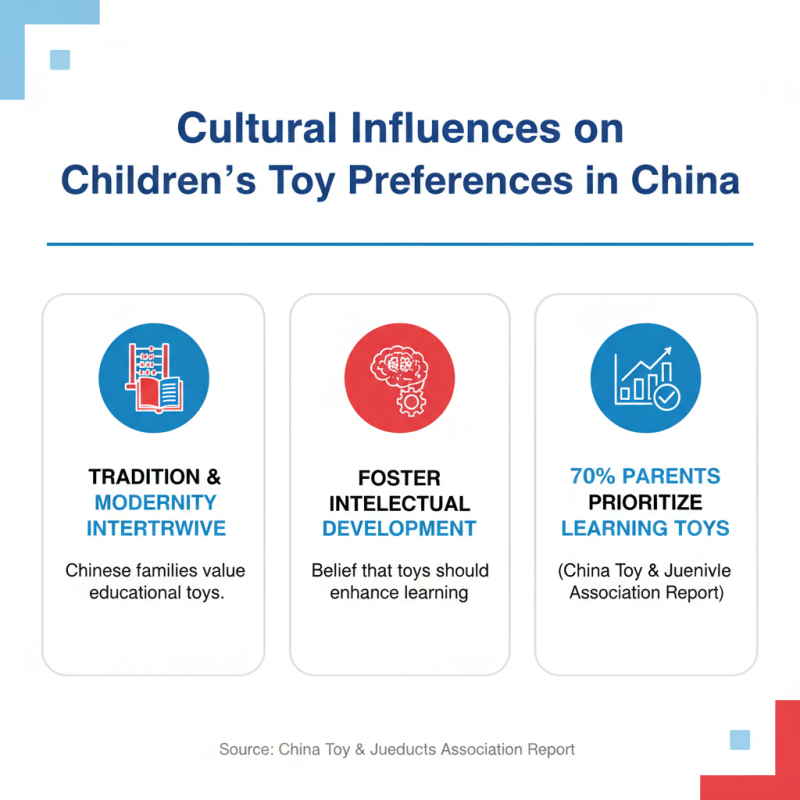
In recent years, innovative educational toys have become increasingly popular in China. Parents are seeking toys that not only entertain but also promote learning and skill development. According to market reports, the educational toy market in China was valued at approximately $5.3 billion in 2022 and is expected to grow at a compound annual growth rate of around 15% through 2027. This growth signals a shift toward prioritizing educational benefits in children’s playtime.
For parents, selecting the right toys can be overwhelming. Here are a few tips: Choose toys that align with your child's interests. Look for options that encourage problem-solving and creativity. Critical thinking skills are essential. Engage your children in the selection process. This fosters their decision-making skills and reinforces their preferences.
However, not all educational toys are created equal. Some may overpromise in terms of developmental benefits, while others might not hold a child's interest. Research indicates that children often prefer interactive and hands-on experiences. Simple toys that spark imagination can be just as beneficial as complex products. Always remember to balance educational value with fun. Encouraging exploration and play will lead to a richer learning experience.