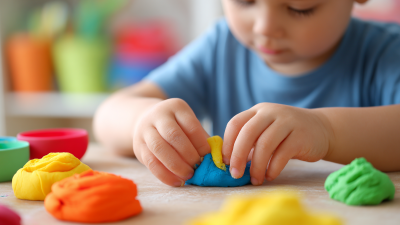
How to Make Play Dough at Home That Lasts Longer Than Store Bought
In the colorful and creative world of Play Dough, many parents find themselves seeking a homemade solution that not only brings joy but also outlasts the conventional store-bought options. According to Emma Finch, a renowned expert in children's arts and crafts, "Making your own Play Dough can not only be a delightful bonding activity but also produces a product that is safer and lasts longer than commercial varieties." This insight underscores the benefits of crafting Play Dough at home, where you can control the ingredients and ensure its longevity.
As families continue to engage in arts and crafts, the demand for durable and reusable Play Dough has skyrocketed. Homemade Play Dough offers an exciting opportunity to blend creativity with practicality, encouraging imaginative play while also providing a cost-effective alternative. With simple ingredients that are often found in the kitchen, parents can create a customized Play Dough that retains its softness and vibrant colors for weeks, if not months.
Embarking on this DIY journey not only enhances the sensory experience for children but also fosters essential skills such as measurement and mixing. So, if you're ready to dive into the world of homemade Play Dough, follow the steps outlined in this guide and discover how to make a resilient and inviting dough that your little ones will love.
Understanding the Ingredients for Long-Lasting Play Dough
When making play dough at home, the ingredients you choose play a crucial role in its longevity. A basic recipe typically includes flour, salt, water, and cream of tartar, each contributing to the dough's texture and shelf life. Flour provides the structure, while salt acts as a preservative, preventing mold growth. Cream of tartar helps maintain the dough's elasticity and softness, ensuring it remains pliable without drying out too quickly.
Tips for enhancing your homemade play dough include adding a few drops of vegetable oil to the mixture. This not only keeps the dough smooth but also prevents it from becoming too dry over time. Additionally, consider incorporating a small amount of glycerin, which helps retain moisture and prolongs the dough’s freshness. Store your play dough in an airtight container in a cool, dry place to maximize its lifespan.
Another important aspect of your ingredients is the addition of color and scent. Natural food coloring and essential oils can enhance the sensory experience of play dough without compromising its integrity. Ensure that any additions are compatible with the basic recipe, as too much moisture can lead to a sticky consistency. By carefully selecting and balancing your ingredients, you can create a vibrant, long-lasting play dough that outlasts many commercial varieties.
Step-by-Step Guide to Making Homemade Play Dough
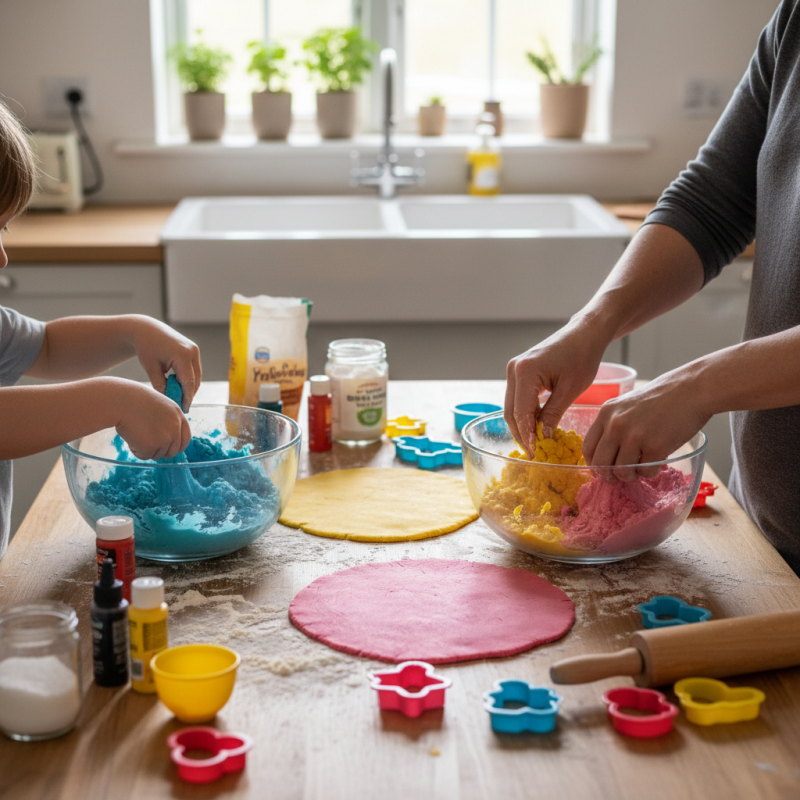
Making homemade play dough is an enjoyable and straightforward activity that can provide your family with a reliable and longer-lasting alternative to store-bought options. To begin, gather your ingredients: flour, salt, cream of tartar, vegetable oil, water, and food coloring. Start by mixing the dry ingredients in a bowl, incorporating one cup of flour, half a cup of salt, and two teaspoons of cream of tartar. In a separate pot, combine one cup of water and one tablespoon of vegetable oil, adding a few drops of food coloring to achieve your desired hue.
Next, pour the wet mixture into the dry ingredients and stir continuously over medium heat. You will notice the dough begin to form and thicken as you mix. Once it starts to gather into a ball and pull away from the edges of the pot, remove it from the heat and let it cool slightly. Knead the dough for a few minutes, ensuring it's smooth and pliable. After this, store your homemade play dough in an airtight container to keep it fresh for extended playtime. Making play dough at home not only allows for creative customization but ensures you know exactly what goes into it, giving you peace of mind about its safety and longevity.
How to Make Play Dough at Home That Lasts Longer Than Store Bought - Step-by-Step Guide to Making Homemade Play Dough
| Ingredient |
Quantity |
Purpose |
| All-purpose flour |
2 cups |
Base ingredient for dough |
| Salt |
1/2 cup |
Preservative and flavor |
| Water |
2 cups |
Hydrates the dough |
| Vegetable oil |
2 tablespoons |
Makes dough smoother |
| Cream of tartar |
2 teaspoons |
Improves texture and elasticity |
| Food coloring |
As desired |
Adds color to the play dough |
Tips for Storing Play Dough to Extend Its Lifespan
To extend the lifespan of homemade play dough, proper storage techniques are essential. A study conducted by the American Chemical Society found that moisture retention is crucial in maintaining the dough's texture and usability. Storing play dough in airtight containers can significantly reduce exposure to air, which leads to drying. Ideally, containers made from plastic or glass with tight-fitting lids are recommended. For added protection, wrapping the play dough in plastic wrap before placing it in the container can help preserve its moisture and prevent it from hardening.
Another tip for prolonging the life of play dough involves keeping it in a cool, dry place. High temperatures can cause ingredients, especially those with natural preservatives, to break down more quickly. The National Association of Children’s Museums recommends storing play dough in temperatures between 60°F and 75°F (15°C to 24°C). Additionally, it is beneficial to check the play dough regularly for signs of mold or changes in texture. By adopting these storage practices, users can effectively lengthen the usability of homemade play dough compared to store-bought varieties, which often contain synthetic preservatives that may degrade over time.
Troubleshooting Common Play Dough Issues
When making play dough at home, parents often encounter common issues that can detract from the desired quality and longevity. One of the most frequent problems is dough that becomes too sticky or too dry. According to a report by the American Academy of Pediatrics, homemade play dough is often preferred for its safety and ease of customization. However, maintaining the perfect consistency is crucial. If your dough is sticky, try adding a small amount of cornstarch to absorb excess moisture. Conversely, if it’s too dry, incorporate a few drops of water gradually until you reach the desired texture.
Another issue is color fading, which can occur when play dough is exposed to light over time. Research shows that light exposure can degrade pigments, affecting both the appearance and the usability of the play dough. To mitigate this, store play dough in an airtight container away from direct sunlight. Furthermore, using food-grade coloring can not only enhance colors but also ensure that the dough remains vibrant longer. Regular kneading and storing dough properly will help maintain its pliability, ensuring that it lasts longer than many store-bought alternatives. With a few troubleshooting tips, you can provide your children with safe and enduring play dough that encourages creativity.
Creative Variations to Enhance Homemade Play Dough
When it comes to enhancing homemade play dough, creativity knows no bounds. One popular variation is incorporating natural colorants such as beet juice or turmeric, which not only create vibrant hues but also offer a non-toxic alternative to synthetic dyes. According to industry studies, the global market for eco-friendly children's products is projected to reach $13.6 billion by 2025, indicating a growing demand for safe and sustainable options in children's play supplies. By using natural ingredients, parents can create positive play experiences while promoting environmental awareness among their children.
Another exciting variation is infusing essential oils into the play dough. Scents like lavender and eucalyptus not only provide aromatherapy benefits but also create a multi-sensory experience during playtime. Research published in the Journal of Child Development highlights that engaging children's senses significantly enhances their cognitive development and creativity. Adding a few drops of essential oils can make the play dough more inviting and enjoyable, thus extending its use beyond mere tactile engagement.
Lastly, consider incorporating textures into the play dough. Adding sand or small beads can create a delightful sensory experience. The American Journal of Play notes that sensory play is crucial for children’s development, helping them to explore their surroundings and learn about different materials. By experimenting with textures and scents, homemade play dough can become a rich learning resource, allowing children to not only play but also develop essential skills in a fun and interactive manner.