How to Make Play Dough at Home for Kids Fun and Creativity?
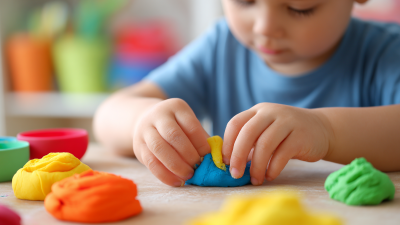
Making play dough at home can be an exciting adventure for kids and parents. This simple activity encourages creativity while providing endless fun. Play dough is not just a toy; it offers learning experiences and sensory exploration. Kids can mold, shape, and create with their hands, strengthening fine motor skills in the process.
Using household ingredients, making play dough is easy and cost-effective. With a few simple steps, you can create vibrant, colorful dough. There’s something magical about mixing flour, water, and salt that draws children in. They enjoy the tactile experience and the delightful scents. However, be prepared for potential messes and spills along the way. This can lead to valuable lessons in sharing, teamwork, and patience.
Play dough also opens the door to imaginative play. Children can create characters, animals, and entire worlds. Yet, it is essential to supervise them closely to ensure safety. While crafting, some dough may dry out or become too sticky. This can be frustrating, but troubleshooting these issues can be a great teaching moment. In the end, the experience of making and playing with play dough fosters creativity and joy.

Understanding the Ingredients for Homemade Play Dough
When making homemade play dough, understanding the ingredients is essential. Common components include flour, salt, water, and cream of tartar. The balance of these materials creates a safe and enjoyable dough. Flour serves as a base, giving the dough its structure. Salt acts as a preservative and adds texture. Water hydrates the mixture, while cream of tartar helps maintain elasticity.
Research indicates that sensory play is vital for early childhood development. According to a report by the American Academy of Pediatrics, engaging in tactile activities promotes fine motor skills. This suggests that children who play with dough can enhance their dexterity. Homemade play dough allows parents to control the ingredients, ensuring safety and quality. The absence of harmful chemicals often found in store-bought alternatives is a significant advantage.
Mixing food coloring into your dough can also boost visual stimulation. However, it’s important to reflect on potential allergies. Natural alternatives, such as vegetable dyes, may be a safer choice. Encouraging children to participate in the dough-making process can inspire creativity. This artistic involvement reinforces learning through hands-on activities. Involving kids in this way can lead to a more meaningful and enjoyable experience.
Step-by-Step Recipe for Making Play Dough at Home
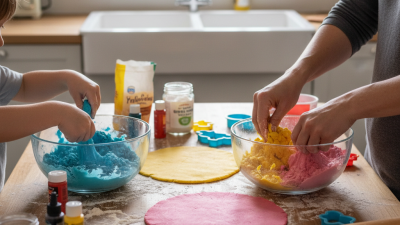
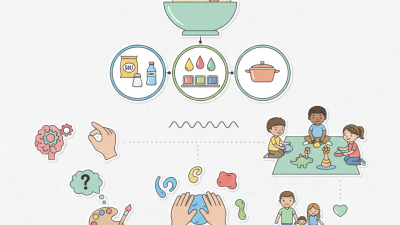
Making play dough at home is a simple and fun project. Gather your ingredients: flour, salt, water, oil, and cream of tartar. Mixing them together creates a soft dough perfect for kids. The process is easy, but it’s important to get the consistency just right. If it’s too sticky, add a bit more flour. If it’s too dry, a little water can help.
While cooking the mixture over low heat, keep stirring to prevent lumps. It may seem uneven at first, but with patience, it will come together. Kids can help by adding food coloring or scents during the mixing stage. This allows them to express their creativity and make the dough unique. Remember, not every batch will turn out perfect. This is okay; it provides a learning opportunity.
**Tips:** Use a non-stick surface for kneading the dough. This makes it easier and cleaner. When storing, keep the dough in an airtight container. It can last for weeks if stored properly. If you find your dough hardening, a sprinkle of water can revive it. Encouraging kids to experiment with textures and colors makes play dough a versatile tool for creativity.
How to Make Play Dough at Home for Kids Fun and Creativity?
| Ingredient |
Measurement |
Purpose |
| All-purpose flour |
2 cups |
Base for dough |
| Salt |
1/2 cup |
Flavor and preservation |
| Water |
2 cups |
Hydration |
| Vegetable oil |
2 tablespoons |
Smooth texture |
| Food coloring |
As desired |
Color variation |
Creative Ways to Color and Scent Your Play Dough
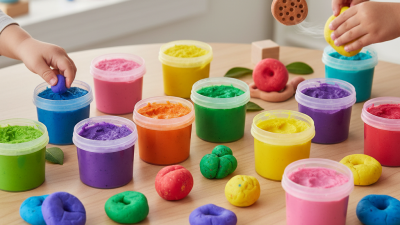
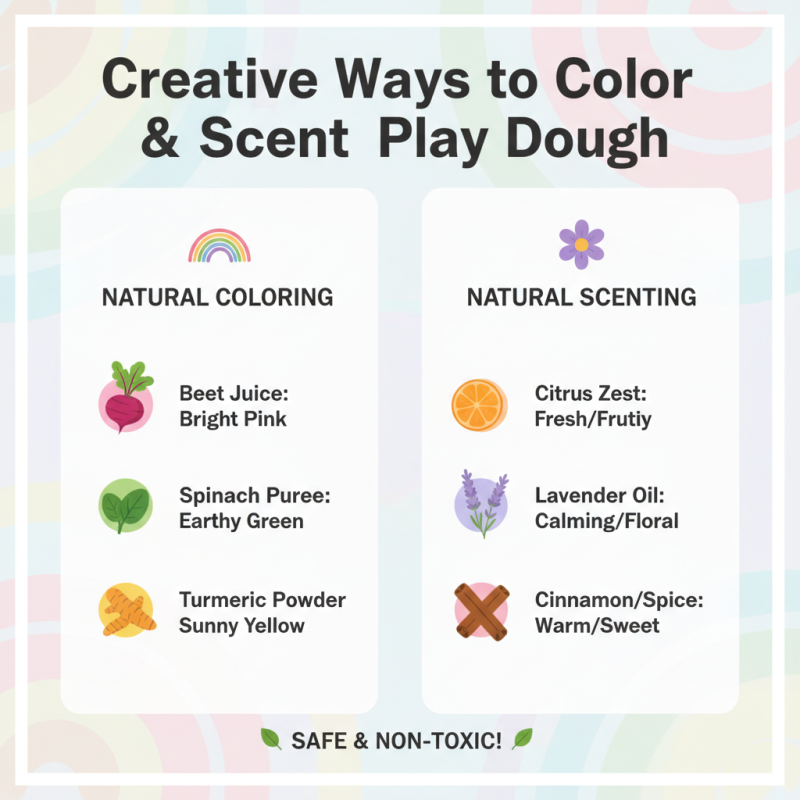
Coloring and scenting play dough can elevate the experience for kids. Natural ingredients work wonders. Try using fruit and vegetable purees for color. Beet juice gives a vibrant pink. Spinach adds green, and turmeric lends a sunny yellow. This method not only creates appealing hues but also makes the dough safe and non-toxic.
For scents, essential oils can be a delightful addition. Lavender and peppermint are popular choices. A few drops can transform the dough into a calming or invigorating sensory experience. Just ensure they are safe for children, as some oils can cause reactions.
Consider experimenting with spices too! Cinnamon can evoke warmth, while vanilla adds sweetness. The process of mixing colors and scents becomes a sensory adventure in itself. Kids will learn through exploration. However, be cautious with the amount of color or scent added. Too much can lead to overpowering results. Balancing experimentation with caution is key to a fun and creative play dough experience.
Fun Play Dough Activities to Spark Kids’ Imagination
Creating play dough at home is a fantastic way to inspire creativity in kids. Research shows that hands-on activities enhance children's learning and development. A study from the National Association for the Education of Young Children highlights that sensory play fosters cognitive growth, promotes problem-solving skills, and encourages imagination. When kids mold and shape colorful dough, they explore textures and colors, which can spark new ideas for imaginative play.
Engaging kids with play dough also allows for various fun activities. For instance, creating miniature worlds or figures can lead to storytelling sessions. Kids can shape animals, people, or even mythical creatures. Moreover, mixing colors can teach them about color theory and blending. These activities not only entertain but also serve educational purposes. The American Academy of Pediatrics recommends sensory play to boost fine motor skills, essential for writing and daily tasks.
Yet, not every activity will go smoothly. Some children may struggle with the dough's texture. Others might prefer specific colors or shapes, leading to frustration. Acknowledging these challenges can help kids reflect on their experiences. Instead of focusing solely on perfection, allow them to embrace imperfections. This mindset nurtures resilience and adaptability, vital traits for future learning and life.
Storing and Maintaining Your Homemade Play Dough
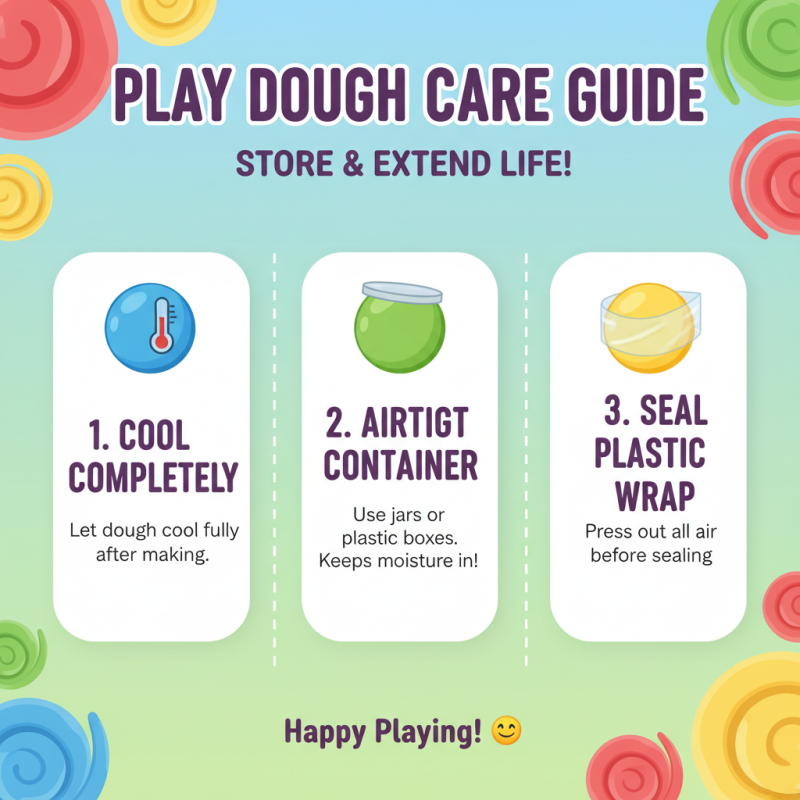
Storing your homemade play dough properly is essential to extend its life and maintain its texture. After making your play dough, let it cool completely. Place it in an airtight container. This keeps it from drying out. If you use plastic wrap, press out any air before sealing.
Keep your play dough in a cool, dry place. Avoid areas with high humidity. This can affect its consistency. Remember that homemade play dough may have a shorter shelf life than store-bought varieties. Regularly check for any signs of mold or changes in texture.
Tips for maintaining your play dough: If it feels too dry, add a few drops of water and knead it. For extra fun, consider dividing the dough into portions and adding food coloring. This adds vibrancy but requires careful mixing. If you find some parts are too sticky, mix in a little more flour. Always involve kids in the process; it sparks creativity.