Why Are Magnetic Toys Essential for Child Development and Learning
Magnetic toys have become increasingly popular in recent years, and their significance in child development and learning cannot be overstated. As children engage with these innovative playthings, they not only experience fun but also enhance their cognitive and motor skills. Dr. Emily Carter, a child development expert, emphasizes the importance of these toys by stating, “Magnetic toys facilitate natural learning through exploration and creativity, allowing children to grasp complex concepts in a playful and engaging manner.”
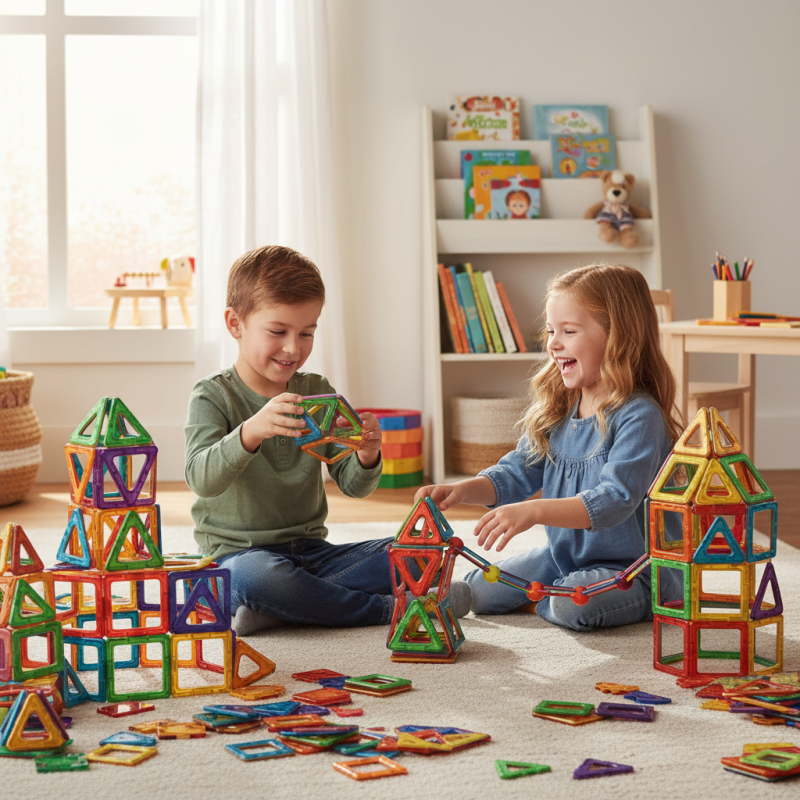
The unique nature of magnetic toys captivates children’s attention and encourages them to experiment, fostering a hands-on approach to learning. As they manipulate these colorful pieces, children develop spatial awareness and critical thinking skills, laying a strong foundation for future academic success. Furthermore, the collaborative aspect of play with magnetic toys nurtures social skills, as kids often work together to build and share their imaginative creations.
In an age where screen time is prevalent, magnetic toys offer a refreshing alternative that promotes active learning and interaction. With their ability to blend creativity with education, magnetic toys are not just toys; they are crucial tools in shaping well-rounded, curious, and capable learners.
The Role of Magnetic Toys in Enhancing Cognitive Skills in Children
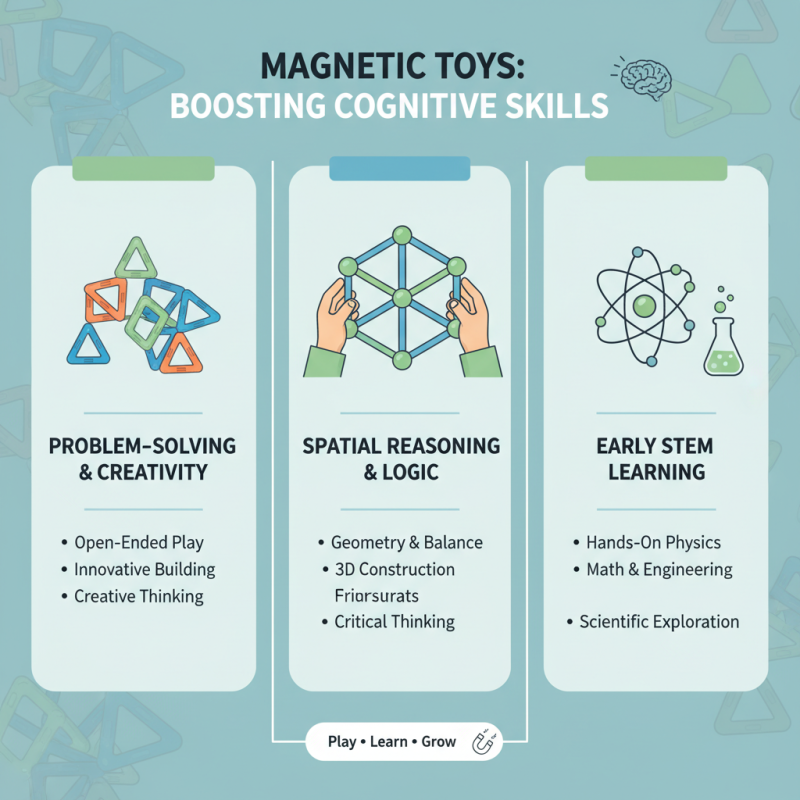
Magnetic toys have gained recognition in recent years as pivotal tools for enhancing cognitive skills in children. Research from the American Academy of Pediatrics highlights that play is fundamental to a child's development, promoting problem-solving skills, creativity, and spatial reasoning. Magnetic toys, in particular, encourage open-ended play, allowing children to explore concepts of balance, geometry, and physics in a hands-on manner. This tactile interaction can significantly enhance a child’s understanding of basic STEM principles, fostering early interest in science and mathematics.
According to a study conducted by the University of Cambridge, engaging with magnetic building sets can improve a child’s cognitive abilities, particularly in areas such as critical thinking and executive function. The research indicates that children who regularly play with magnetic toys show a marked improvement in pattern recognition and spatial visualization, essential skills not only for academic success but also for everyday problem-solving. Moreover, as children create and manipulate magnetic structures, they enhance their fine motor skills and hand-eye coordination, laying a strong foundation for further learning and development. This form of play integrates education with enjoyment, making it a powerful medium for enriching cognitive growth in a supportive and imaginative environment.
Developing Fine Motor Skills through Magnetic Toy Play
Magnetic toys offer a playful yet effective way for children to develop fine motor skills. These toys require children to grasp, manipulate, and connect various pieces, enhancing their dexterity and hand-eye coordination. As kids engage in magnetic play, they work on their pincer grasp and finger strength, essential components for tasks like writing or buttoning clothes later on. The excitement of building and creating with these toys also sparks their imagination, turning skill development into a fun adventure.
Tips for parents: Encourage open-ended play by providing a variety of magnetic shapes and sizes. Allow children to explore different construction methods and challenge them to create their designs. This not only promotes fine motor skills but also helps develop problem-solving abilities as they learn what fits and how to balance their creations.
Moreover, setting aside specific times for magnetic play can foster structured learning. Organize activities that involve sorting or categorizing pieces based on size or color, which further enhances their cognitive skills while keeping them engaged. Such play sessions can be a great opportunity for bonding as you join in their creative exploration, encouraging communication and collaboration.
Fostering Creativity and Imagination with Magnetic Toy Construction
Magnetic toys serve as powerful tools for nurturing creativity and imagination in children. Their versatile components inspire young minds to explore the boundaries of their own creativity. As children connect magnetic pieces, they venture into a world of endless possibilities, allowing them to build not just structures, but entire narratives around their creations. This process of construction encourages independent thinking, as each child interprets their environment and ideas in unique ways.
Moreover, magnetic toy construction fosters collaborative play, where children share ideas and work together to bring their visions to life. This interaction promotes social skills such as communication, negotiation, and teamwork. As children discuss their projects and solicit feedback, they learn to appreciate different perspectives while also developing resilience through trial and error in their designs. In this way, magnetic toys are not just fun but are also instrumental in shaping imaginative and cooperative future thinkers.
Encouraging Social Interaction and Collaboration via Magnetic Toys
Magnetic toys serve as a powerful tool for encouraging social interaction and collaboration among children. When children engage with these toys, they often work together to build structures, solve problems, and create imaginative scenarios. The inherent open-ended nature of magnetic toys fosters an environment where children can brainstorm ideas collectively, negotiate roles, and develop communication skills. This collaborative play not only enhances their social skills but also instills a sense of teamwork, as they learn to respect each other's opinions and contributions.
Furthermore, magnetic toys create opportunities for children to navigate social dynamics in a playful setting. As they experiment with different configurations and share ideas, they are also engaging in discussions that sharpen their interpersonal abilities. Children learn to give and receive feedback, reflecting on what works and what doesn't while building connections with their peers. This interactive play mends the gap between individual and collective thinking, preparing them for future collaborative endeavors in more structured environments like schools. By fostering these skills, magnetic toys play an essential role in shaping their emotional intelligence and social competence.
Importance of Magnetic Toys in Child Development
Understanding the Safety Standards and Best Practices for Magnetic Toys
When it comes to magnetic toys, safety is a paramount concern for both manufacturers and parents. These toys can provide immense educational benefits, promoting creativity and enhancing cognitive skills. However, ensuring that they adhere to established safety standards is crucial in preventing potential hazards. For instance, magnetic toys should be tested for small parts that could pose choking risks for younger children. Regulatory agencies often set strict guidelines that these products must meet, which include the use of non-toxic materials, secure construction, and careful design to avoid accidents.
Best practices for using magnetic toys involve supervision and age-appropriate selection. Parents should always monitor playtime to ensure children are engaging with the toys safely. Additionally, choosing toys that are specifically designed for the child's developmental stage is essential; for example, toys with larger magnets or fewer small parts are ideal for toddlers. Educators and caregivers should also provide guidance on proper use, emphasizing the importance of respecting the toy’s intended purpose and maintaining the magnetic components for optimal safety during play. By adhering to these safety standards and practices, magnetic toys can be a wonderful resource for stimulating learning while minimizing risk.