What is Magnetic Toys and How Do They Benefit Child Development?
Magnetic toys have gained popularity as tools for child development. Experts suggest that these toys can enhance creativity and critical thinking. Dr. Sarah Mitchell, a child psychologist, states, "Magnetic toys help children visualize concepts in three dimensions."
These toys allow children to explore and build in a hands-on way. The magnets attract and repel, creating interesting interactions. Kids learn through play, discovering shapes and structures. Imagination soars when they connect pieces in countless ways.
Despite their benefits, not all children engage equally with magnetic toys. Some may struggle to understand how the pieces fit together. Others might not find them engaging enough. Parents should observe their child's interaction and provide guidance when needed. Ultimately, the effectiveness of magnetic toys can vary. They can be wonderful educational tools, but they require thoughtful integration into playtime.
What are Magnetic Toys?
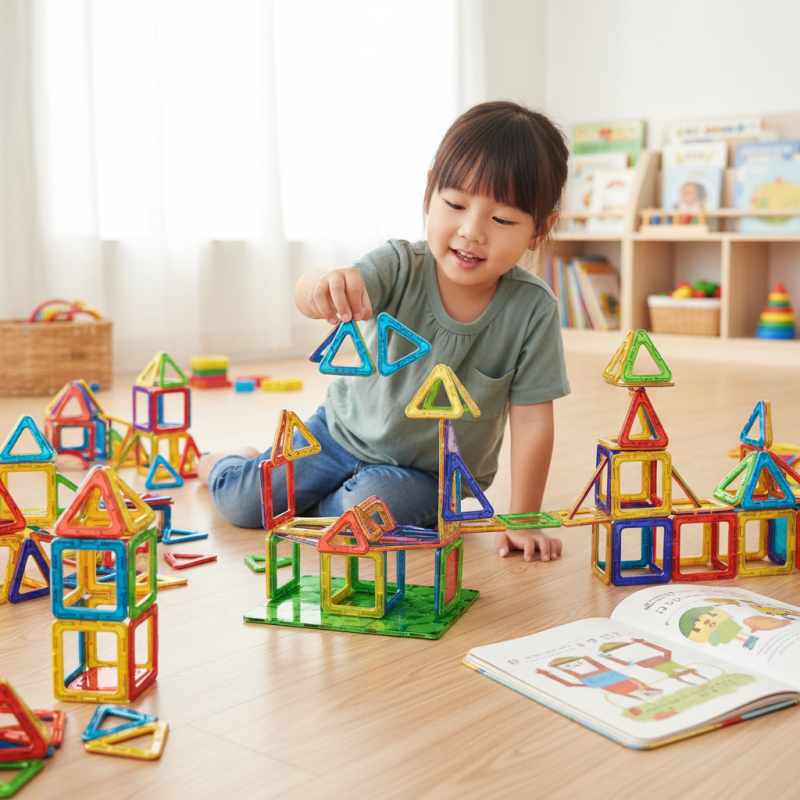
Magnetic toys are innovative playthings that utilize magnets for creative construction. Children can connect various shaped pieces to create structures. These toys often come in vibrant colors that attract young builders. The ease of connection makes them suitable for toddlers and older kids alike. They invite imagination and encourage hands-on play.
Playing with magnetic toys fosters critical thinking. Children learn about balance, symmetry, and stability while building. However, they might struggle at times. A child may feel frustrated when a structure collapses. This moment can be a valuable learning opportunity. It teaches resilience and problem-solving skills.
Moreover, magnetic toys enhance fine motor skills. Kids manipulate small pieces, improving hand-eye coordination. They learn to grip and assemble with precision. Yet, some may find the pieces slippery or challenging to connect. This experience encourages patience and persistence. Engaging with these toys can spark a lifelong interest in science and engineering.
Types of Magnetic Toys Available in the Market
Magnetic toys come in various forms, each offering unique experiences for children. Building blocks are one popular type. They consist of colorful magnetic pieces that easily snap together. Children can create structures, promoting creativity and spatial awareness. These toys help improve fine motor skills as kids manipulate the blocks. However, some children may get frustrated if their designs collapse.
Another kind is magnetic puzzles. These usually have a base with magnetic shapes that fit into designated spots. Puzzles foster problem-solving abilities and cognitive development. They can be simple or complex, catering to different age groups. Nonetheless, some children may need guidance to complete challenging puzzles. It’s essential for parents to be involved in the play.
Magnetic figurines also exist and can inspire storytelling. Children can create scenarios with different characters, boosting verbal skills. However, the small pieces can pose risks if not supervised. It’s crucial to find the right balance between creative play and safety. Magnetic toys can be fun, yet they require thoughtful consideration in use and supervision.
Key Benefits of Magnetic Toys for Child Development
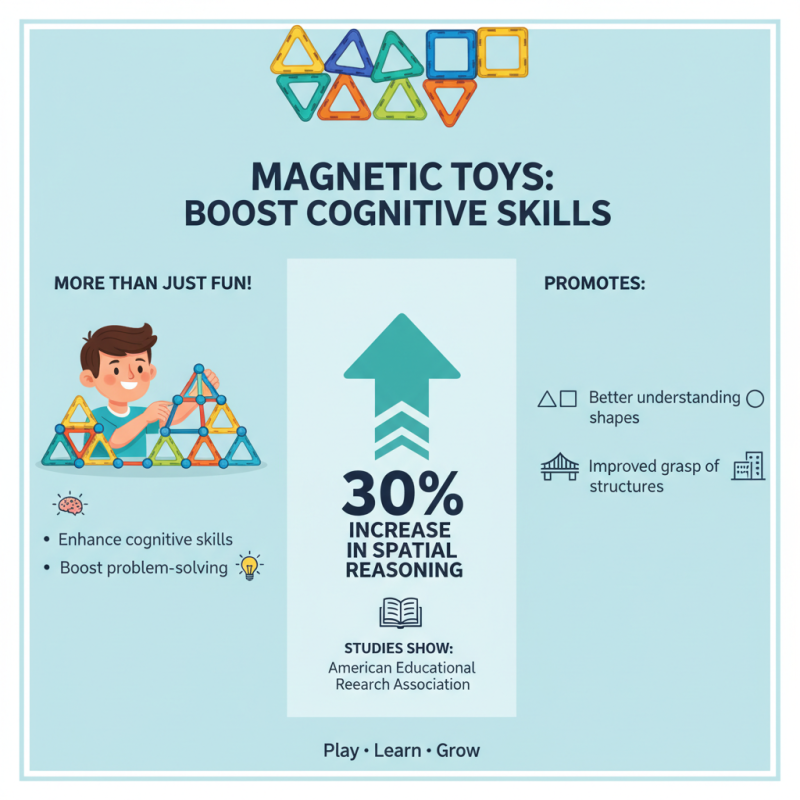
Magnetic toys are more than just fun. They can significantly boost a child's development. Research indicates that these toys enhance spatial awareness and creativity skills. A report from the American Educational Research Association highlights that children using magnetic toys show a 20% improvement in problem-solving abilities compared to others.
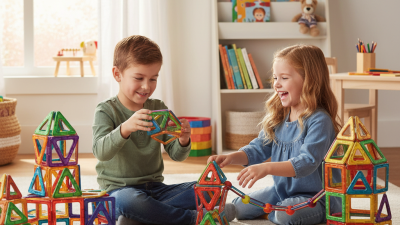
Playing with magnetic blocks encourages teamwork. Kids often collaborate to build structures. This social interaction is crucial for their emotional intelligence. According to a study published in the Journal of Child Development, children who engage in shared play demonstrate better communication skills. This collaboration instills respect for others' ideas and promotes empathy.
However, not all interactions are perfect. Some children may struggle with frustration when pieces do not fit. This is an opportunity for resilience building. Learning to cope with challenges is important for emotional growth. Balancing enjoyment with challenges is key to maximizing benefits from magnetic toys. They can inspire creativity, but children also need guidance on navigating their emotions.
Safety Considerations When Using Magnetic Toys
When it comes to magnetic toys, safety should be a primary concern. A 2021 report by the Consumer Product Safety Commission highlighted that over 2,000 children are treated for magnet-related injuries annually. Many of these incidents occur due to small pieces that can easily be swallowed. Parents must be vigilant when selecting toys.
Educational experts suggest that children under three should avoid small magnetic toys. Even for older children, supervision is crucial. The bright colors and engaging shapes of these toys can allure kids, but their safety features should not be overlooked. Unfortunately, not all magnetic toys are created equal; some lack proper testing for safety standards.
Many caregivers underestimate the risks involved with these toys. Training in proper usage is essential. Educational workshops can help parents understand the potential hazards. Creating an environment that encourages play while ensuring safety is a delicate balance. Awareness and caution must walk hand in hand to truly benefit from the developmental advantages these toys offer.
What is Magnetic Toys and How Do They Benefit Child Development? - Safety Considerations When Using Magnetic Toys
| Dimension |
Details |
| Type of Magnetic Toys |
Magnetic Building Blocks, Magnetic Tiles, Magnetic Gels, Magnetic Puzzles |
| Age Appropriateness |
3 years and older |
| Benefits for Child Development |
Enhances problem-solving skills, Promotes creativity, Improves spatial awareness, Encourages social interaction |
| Safety Considerations |
Small parts risk, Magnetic ingestion risk, Supervision required during play, Regular safety checks recommended |
| Recommended Playtime |
20-30 minutes per session to maintain focus |
| Parent Guidance |
Encourage imaginative play, Assist in complex structures, Introduce safety rules |