Why Are Educational Toys Important for Child Development?
Educational toys play a crucial role in child development. According to a study published by the American Academy of Pediatrics, engaging with educational toys can enhance cognitive skills and promote social interaction. Children who frequently use these toys show improved problem-solving skills and creativity. Dr. Lisa Thompson, an expert in child psychology, states, "Educational toys are not just for fun; they are essential in shaping a child's future."
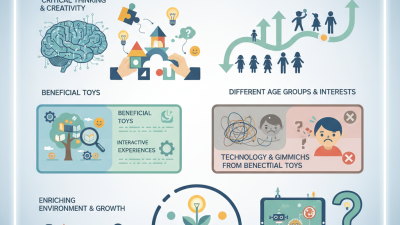
The global market for educational toys is expected to grow significantly, projected to reach $100 billion by 2025. This underscores the importance parents and educators place on these tools. They are vital for developing critical thinking and fine motor skills. Yet, not all toys can achieve these goals. Some products may overpromise effectiveness without delivering substantial educational value.
While many educational toys offer promising benefits, it can be challenging to select the right ones. Some toys might lack the depth needed for meaningful engagement. Parents often face questions about quality versus affordability. Thus, it’s essential to evaluate each toy’s potential impact on a child’s growth. Thoughtful selection can truly make a difference in their development journey.
The Role of Educational Toys in Cognitive Development for Children
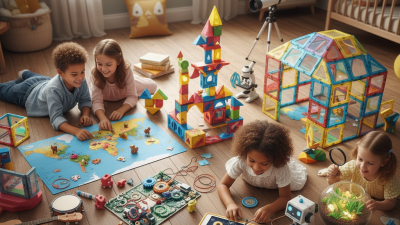
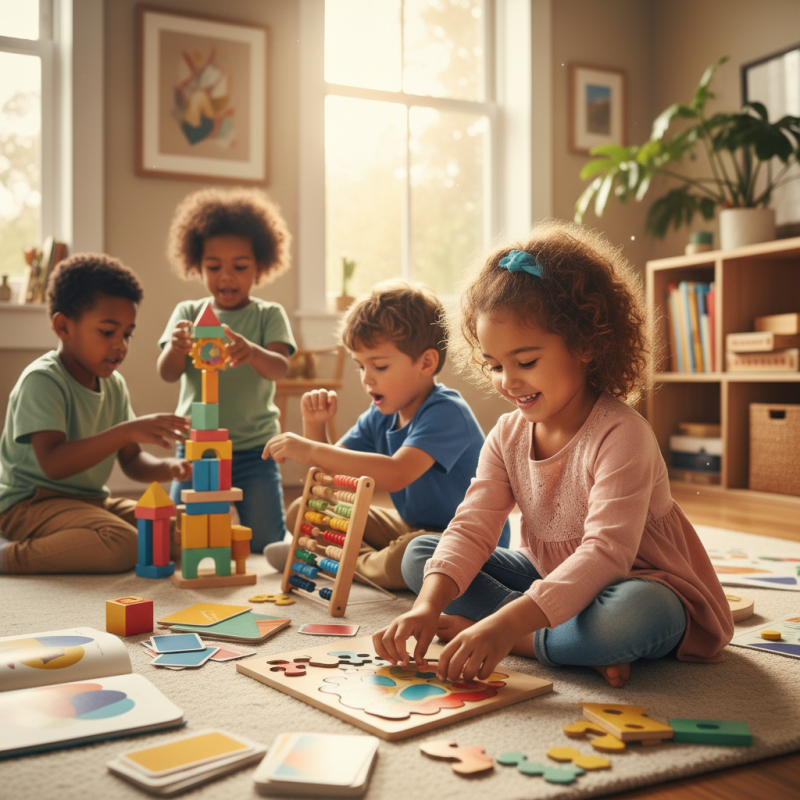
Educational toys play a pivotal role in cognitive development for children. These toys stimulate curiosity and inspire creative thinking. When children engage with puzzles, building blocks, or educational games, they are not just playing. They are exploring concepts such as spatial awareness, problem-solving, and critical thinking.
For example, sorting toys can enhance a child's ability to categorize objects. This requires them to identify similarities and differences. As they play, they develop language skills by discussing colors, shapes, and sizes. In contrast, not all toys provide these benefits. Some toys can be overly simplistic, failing to challenge a child’s intellect. It’s crucial for parents to choose toys with educational value.
Moreover, educational toys can sometimes overwhelm children with too many options. A child might struggle to engage fully if presented with countless choices. Finding the right balance is essential for meaningful cognitive engagement. The right type of educational toy can foster resilience, encouraging children to think independently and learn from mistakes. This journey of discovery shapes their cognitive skills for years to come.
Why Are Educational Toys Important for Child Development? - The Role of Educational Toys in Cognitive Development for Children
| Toy Type |
Cognitive Skill Developed |
Age Group |
Benefits |
| Building Blocks |
Spatial Awareness |
2-5 years |
Encourages creativity and fine motor skills |
| Puzzle Games |
Problem Solving |
3-7 years |
Enhances logical thinking and concentration |
| Art Supplies |
Creativity |
2-10 years |
Improves self-expression and fine motor skills |
| Musical Instruments |
Auditory Skills |
3-8 years |
Promotes rhythm, memory, and coordination |
| Role-Playing Kits |
Social Skills |
4-10 years |
Encourages teamwork and communication |
Impact of Educational Toys on Language Acquisition in Early Childhood
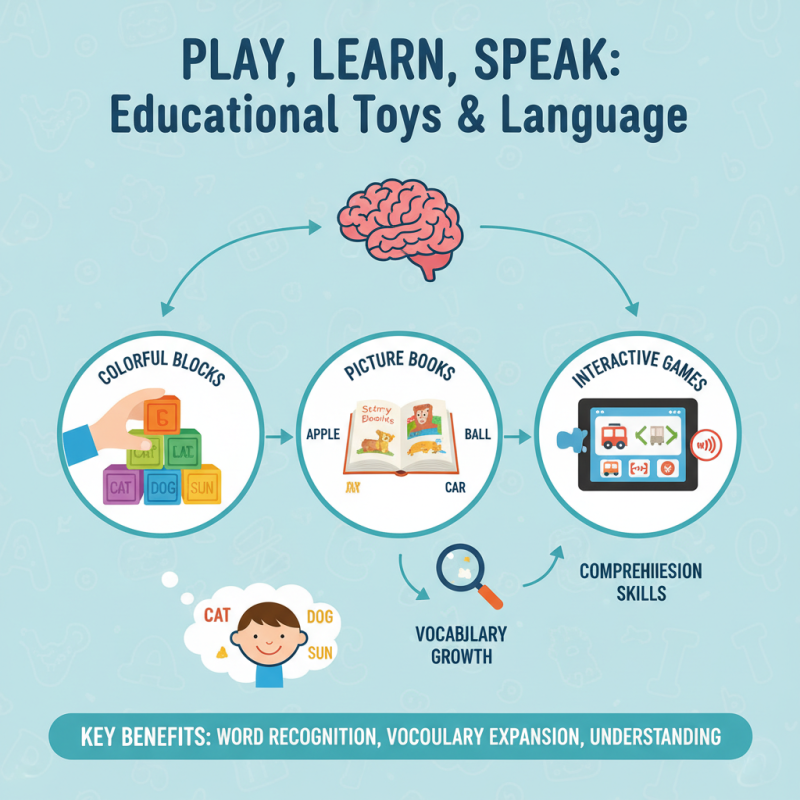
Educational toys play a vital role in enhancing language acquisition during early childhood. These toys can be colorful blocks, picture books, or interactive games. Each of these elements provides children with unique opportunities to engage with language. For instance, a simple storybook encourages kids to identify objects and associated words. This interaction fosters vocabulary growth and comprehension skills.
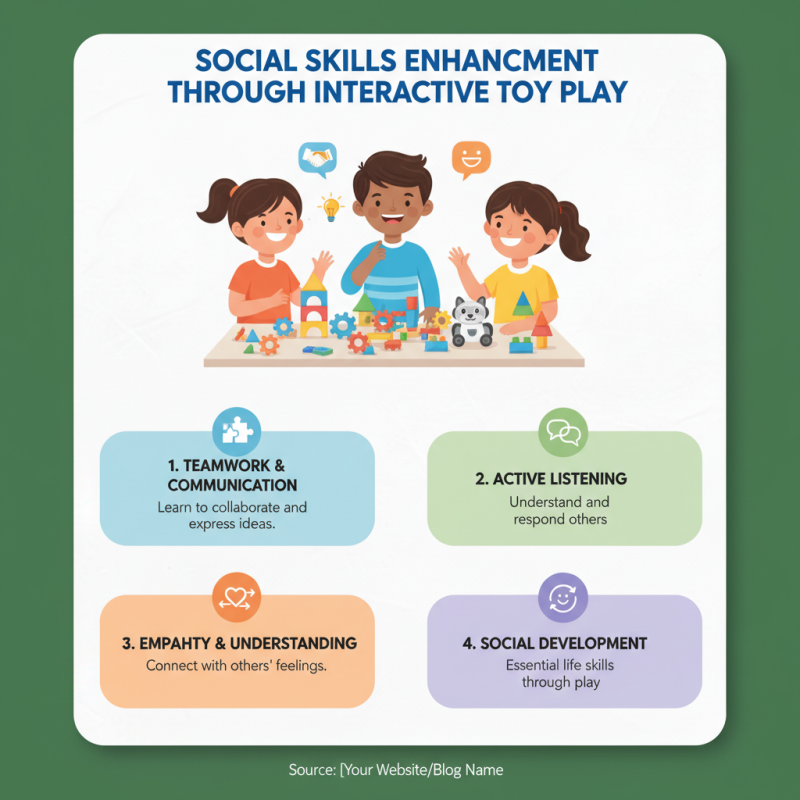
Moreover, interactive toys often encourage cooperative play. When children interact with peers, they practice language skills together. They learn to express ideas and understand others in a fun environment. However, not all toys are equally effective. Some may require guidance to truly engage a child's imagination and language skills. For instance, passive toys that don’t prompt conversation might limit language development.
Parents can maximize the impact of these toys by being involved. Asking questions about the toys can stimulate curiosity and vocabulary. Yet, finding the right balance between guided play and independent exploration is essential. Striking this balance can lead to more meaningful learning experiences. Understanding the nuances of how toys influence language can be complex but rewarding.
Statistical Insights on Learning Outcomes Associated with Educational Toys
Educational toys play a significant role in child development, and their impact can be measured through various statistical insights. Research shows that children who engage with educational toys score higher in math and reading. A study indicated that 70% of kids who used these toys frequently showed improved problem-solving skills. Another statistic revealed that nearly 80% of parents observed increased creativity in children after interactive play.
However, not all toys yield positive outcomes. Some children lose interest quickly and fail to engage deeply. It’s crucial for caregivers to select toys that match their child's developmental stage. Moreover, toys that encourage collaborative play led to a noticeable improvement in social skills. A striking 60% of children reported feeling more confident when playing with peers using educational toys.
Balancing fun and learning is tricky. Children might gravitate towards more entertaining toys, overlooking those that promote cognitive growth. Surveys show that about 50% of parents sometimes struggle to find the right mix. Yet, the potential for educational toys to unlock critical thinking and creativity in children remains substantial. It’s essential for parents to reflect on their choices and seek toys that nurture their child's full potential.
Impact of Educational Toys on Child Development
The Importance of Age-Appropriate Design in Educational Toy Development
The design of educational toys plays a crucial role in child development. Age-appropriate designs ensure that toys meet the cognitive and physical abilities of children at different stages. A toy that fascinates a three-year-old could bore a six-year-old. Lack of proper design can lead to frustration or disinterest.
Research shows that children learn best through play. Toys that encourage imaginative play or problem-solving are vital. For instance, building blocks can enhance spatial reasoning while also stimulating creativity. Yet, not all toys achieve this. Some plastic toys offer little more than superficial excitement. It's important to analyze the options wisely.
Tips for choosing educational toys: Look for items that challenge your child but are not overly difficult. Balance is key. A toy with multiple uses grows with your child’s skills. Observe your child’s reactions. If a toy is often pushed aside, it may not be effective. Always remember that simple materials can also offer rich learning experiences. It’s not always about advanced technology. Sometimes, a box and some crayons are enough to spark creativity.