Why Are Children Toys Essential for Child Development?
In the world of childhood development, the significance of children toys cannot be overstated. Experts like Dr. Emily Smith, a child psychologist, emphasize their importance by stating, "Children toys are not just playthings; they are vital tools for growth." Through play, children explore their surroundings and learn essential skills.
Toys serve as instruments for imagination and creativity. A simple block can transform into a castle or a car, stretching a child's inventive mind. However, not all toys are created equal. Choosing the right toys is crucial. Experiences with poorly designed toys can lead to frustration rather than learning.
Reflecting on the variety of toys available, it's clear that some don't stimulate cognitive growth. A toy should encourage interaction, not isolate a child in monotony. Parents and caregivers must evaluate their choices carefully. In this evolving landscape of children toys, quality should always take precedence over quantity.
The Role of Play in Child Development
Play serves as a crucial component in children's development. Through play, children explore their surroundings and learn about the world. When they engage in imaginative play, they experiment with different roles. This kind of activity boosts their creativity and problem-solving skills. It allows them to express emotions and navigate social interactions with peers.
Physical play also enhances motor skills. Climbing, running, and jumping help develop coordination. These activities are not just fun; they build strength and resilience. However, it’s important to ensure children have safe environments for such play. Supervision can sometimes be overlooked, leading to injuries.
Furthermore, play fosters cognitive growth. Games that involve strategy and thinking are valuable. They challenge children to plan and make decisions. Sometimes, children may struggle to share or take turns. These moments are learning opportunities for patience and empathy. Children learn to negotiate and communicate their feelings, paving the way for lifelong social skills.
Types of Toys That Promote Cognitive Skills
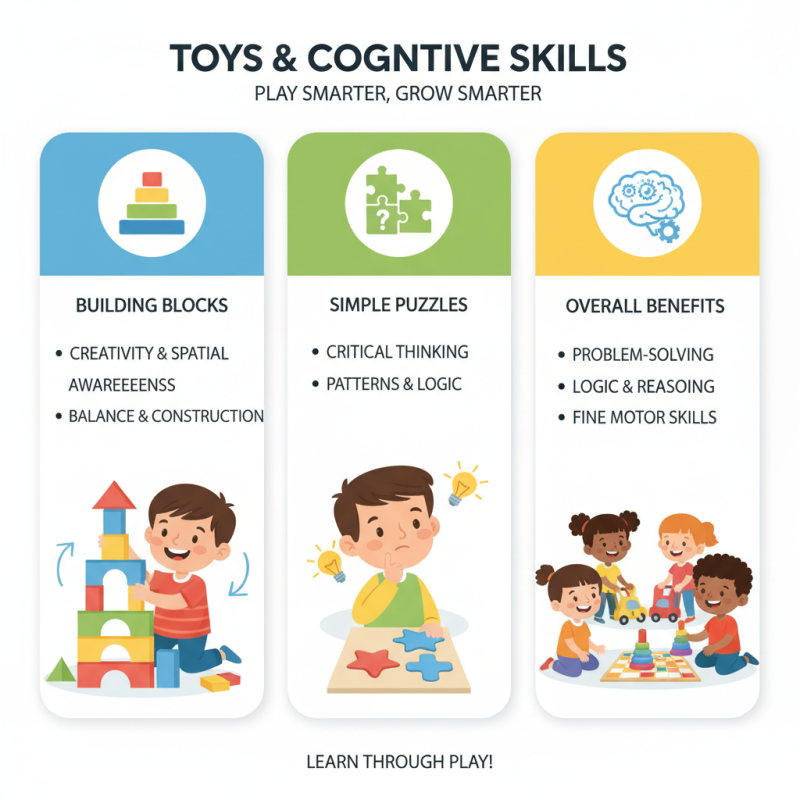
Toys play a crucial role in promoting cognitive skills among children. Different types of toys can encourage thinking and problem-solving. Building blocks, for example, stimulate creativity and spatial awareness. Children learn to balance structures while having fun. Simple puzzles can develop critical thinking skills. As they fit pieces together, children learn about patterns and logic.
Art supplies are also vital. Crayons, markers, and clay let children express themselves. Engaging in these activities enhances fine motor skills. It allows for experimentation, where mistakes are part of the learning. Kids may create something that doesn't work as intended. This teaches resilience and adaptability, essential traits for future challenges.
Interactive toys, like memory games, boost memory and attention. Children remember rules and sequences, enhancing their cognitive abilities. Open-ended toys allow for imaginative play, but children sometimes struggle. They may not know what to create initially. This uncertainty can be frustrating, yet it encourages them to think critically and innovate. These experiences are invaluable for their growth and development.
Physical Development Through Active Play
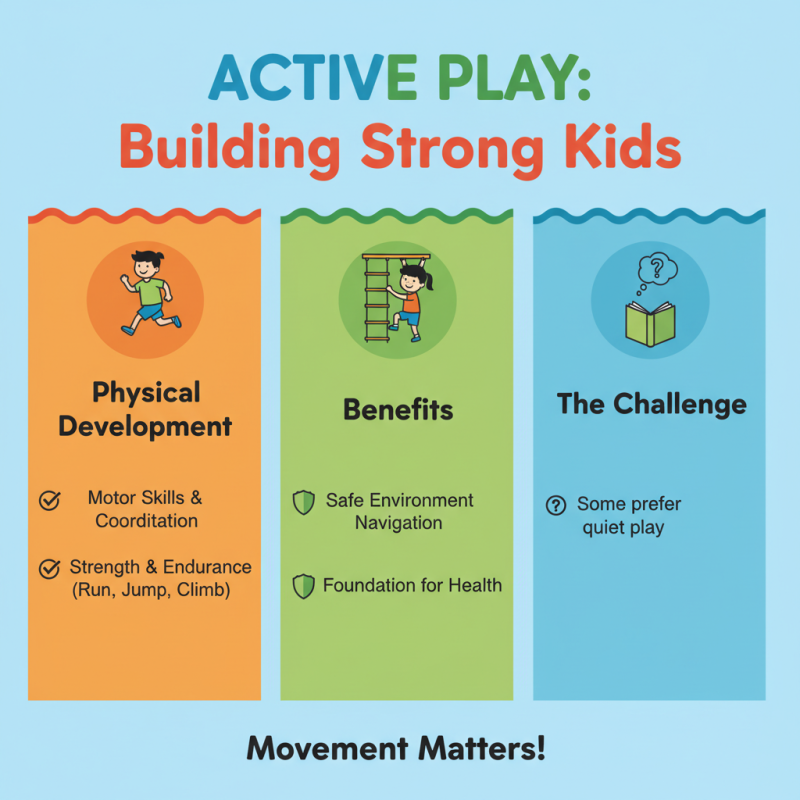
Active play is crucial for children's physical development. When children engage in play, they enhance their motor skills and coordination. They run, jump, and climb, which builds strength and endurance. These activities help children learn how to navigate their environment safely. However, not every child is drawn to physical play. Some may prefer quieter activities, which can be a challenge for their development.
Parents can encourage active play in many ways. Create a play area that promotes movement. Add colorful, interesting toys that invite exploration. Tools like balls, hula hoops, and climbing structures can spark interest. Consider organizing playdates or community sports to provide social opportunities. More is often needed than just putting toys in front of kids.
Not all children instantly gravitate towards physical play. There might be hurdles such as fear or lack of confidence. Encourage small steps. Celebrate their efforts, not just achievements. Offer praise for trying rather than succeeding. This approach can boost self-esteem and inspire children to try new physical activities. Making play enjoyable is the key to helping children develop both physically and emotionally.
Emotional and Social Growth via Interactive Toys
Interactive toys play a crucial role in emotional and social growth for children. These toys allow kids to engage deeply with their peers. According to the American Academy of Pediatrics, play is essential for healthy brain development. Children learn to express feelings and manage emotions through interaction. For instance, dolls can help children articulate thoughts about relationships.
Moreover, social skills are honed during play with interactive toys. Kids learn sharing and cooperation when they play together. The Journal of Child Psychology reports that children who regularly engage in cooperative games show improved empathy. These skill sets are vital as they contribute to building confidence and resilience. However, not all toys promote these skills equally. Some may focus too much on individual play. Reflecting on this can lead to choices that better support group interaction.
Additionally, parents should be mindful of the quality of toys. According to research by the Toy Association, toys should encourage imaginative play. It’s essential to balance screen time with hands-on experiences. A thoughtful selection can lead to significant benefits for a child’s social development. Interactive toys create opportunities for communication and bonding. The impact is immediate and long-term, shaping emotional intelligence as children grow.
Choosing Age-Appropriate Toys for Optimal Development
Choosing age-appropriate toys is crucial for a child's growth. Each age presents unique developmental milestones. For infants, toys that stimulate sensory exploration are ideal. Vibrant colors and varied textures capture their attention. These toys encourage babies to observe and interact. Yet, many parents might overlook this aspect.
As children grow, their play needs evolve. Toddlers benefit from toys that promote fine motor skills. Building blocks or simple puzzles can enhance hand-eye coordination. However, parents sometimes choose toys based on trends, not developmental benefits. This can hinder a child's skills rather than foster them.
In early childhood, social play becomes important. Toys like dolls or action figures encourage imaginative play. They support emotional growth and understanding of social dynamics. Yet, it’s easy to forget that not all toys spark creativity. Parents should actively reflect on what toys truly benefit their child's development.