10 Essential Play Dough Tips for Creative Fun and Learning
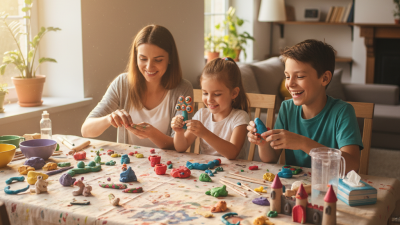
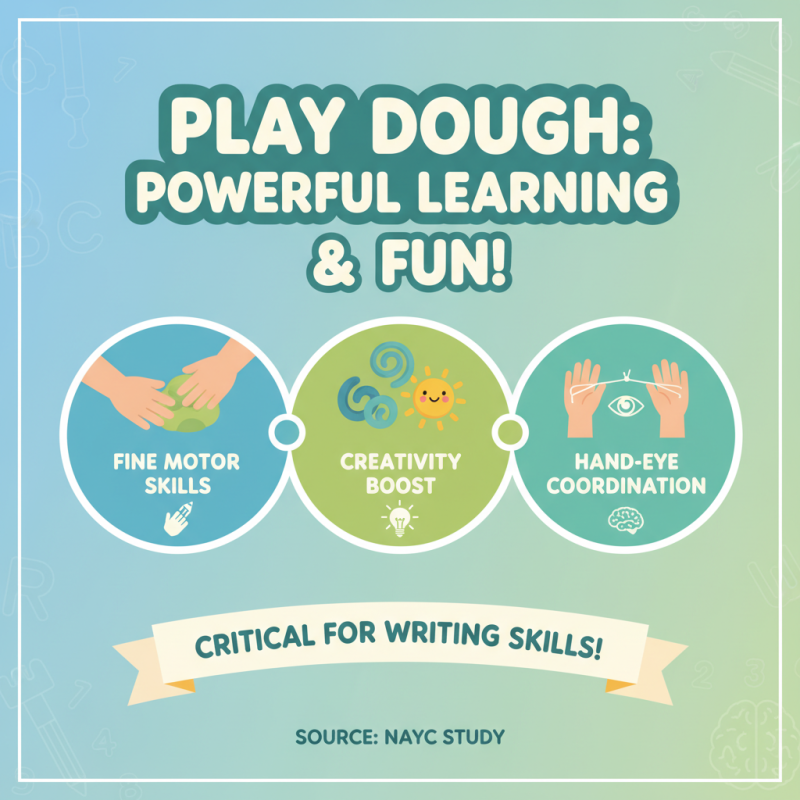
Play Dough is more than just a fun activity. It plays a critical role in child development. According to a study from the National Association for the Education of Young Children, engaging in play-based activities can enhance fine motor skills and creativity in children. Play Dough offers endless possibilities for imaginative play and learning.
Through sensory experiences, children learn to explore textures and colors. This hands-on engagement stimulates curiosity and problem-solving abilities. Research shows that children who regularly use Play Dough show improved concentration levels. However, not all Play Dough experiences are ideal. Some children may find it difficult to manipulate or create. They might become frustrated rather than engaged. This can lead to missed opportunities for learning.
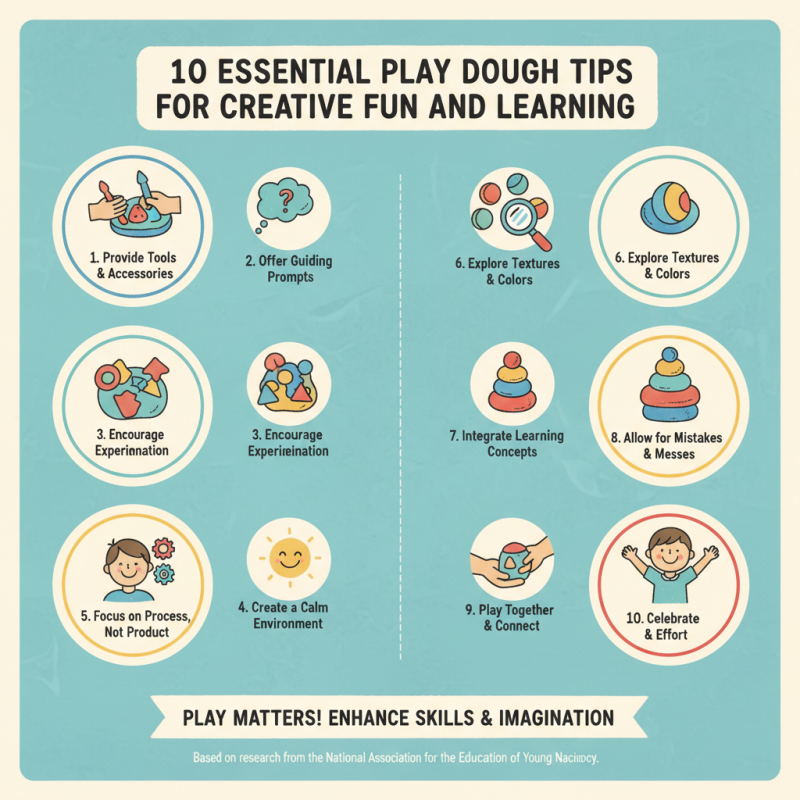
Encouraging positive experiences with Play Dough requires thoughtful approaches. For instance, providing tools and guiding prompts can inspire creativity. Yet, it's essential to allow room for mistakes. This imperfect process contributes to growth and resilience. In navigating these moments, parents and educators can foster an environment that thrives on exploration.
Choosing the Right Play Dough for Different Activities
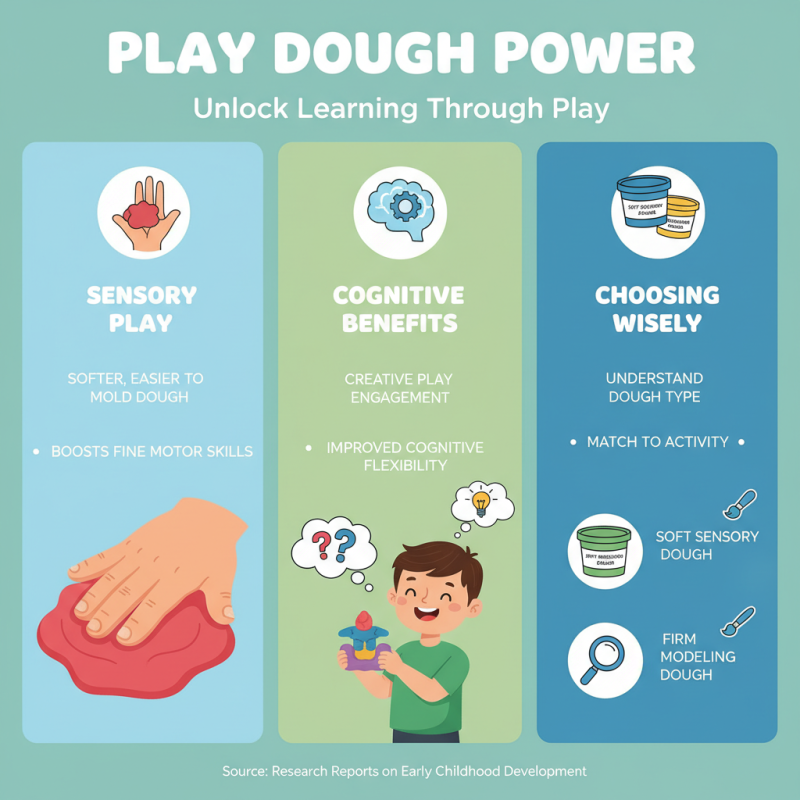
When it comes to choosing the right play dough for different activities, understanding the material is key. Not all play dough is created equal. For sensory play, a softer dough that is easy to mold is ideal. This promotes fine motor skills in children. Reports indicate that kids engaged in creative play show improved cognitive flexibility.
Tip: Experiment with homemade play dough. It allows customization in texture and scent, enhancing the sensory experience. Adding essential oils can make it more engaging. For outdoor activities, a firmer dough might withstand varying weather conditions better.
Another consideration is color. Bright, vibrant colors can stimulate creativity. However, be aware of color mixing. Sometimes, unexpected results lead to frustration. Reports suggest this can help children learn about color theory, but be prepared for messy outcomes.
Tip: Use different tools like cookie cutters and rolling pins. These can introduce concepts like shapes and symmetry while making play more interactive. Remember, the goal is to foster creativity, so embrace the mess. Even imperfections in the dough can spark imaginative solutions.
How to Make Your Own Play Dough at Home
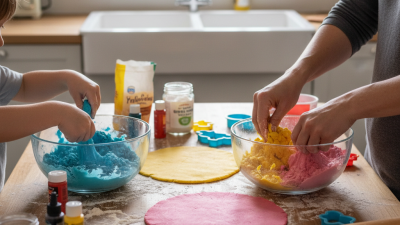
Making play dough at home is a fun, creative project. It's easy and you only need a few ingredients. Flour, salt, water, and cream of tartar are the basics. Mix them together on the stovetop. The process is simple yet rewarding. As it heats, it transforms into a beautiful, pliable dough. You can add food coloring for extra fun.
Tip one: Start with a small batch. It's less overwhelming and allows for experimentation. If it doesn’t turn out right, you won’t waste much. You might find it too sticky or crumbly at first. Don't rush it. Give yourself time to adjust the ratio until it feels just right.
Tip two: Store your play dough properly in an airtight container. This keeps it fresh for longer. You may forget and leave it out. It happens! Noticed it dried out after a week? That's okay, just learn to store it more carefully next time.
Tip three: Incorporate different textures to enhance the play experience. Add sand, glitter, or small beads in your dough. This makes it engaging for kids. But keep in mind, not all additions will work perfectly. Experiment and observe what creates the best engagement.
10 Essential Play Dough Tips for Creative Fun and Learning - How to Make Your Own Play Dough at Home
| Tip Number |
Tip Description |
Benefits |
| 1 |
Use Flour and Salt Ratio of 2:1 |
Ensures optimal texture |
| 2 |
Add Cream of Tartar for Stretchiness |
Increases elasticity and playability |
| 3 |
Color with Food Coloring |
Enhances creativity and visual appeal |
| 4 |
Store in Airtight Containers |
Prevents drying out |
| 5 |
Experiment with Textures |
Encourages sensory exploration |
| 6 |
Use Natural Ingredients |
Safer for younger children |
| 7 |
Create Play Dough Tools |
Enhances creativity and fine motor skills |
| 8 |
Incorporate Aromas |
Makes playtime more engaging |
| 9 |
Teach Color Mixing |
Educational opportunity in color theory |
| 10 |
Encourage Collaborative Play |
Promotes social skills |
Essential Tools and Accessories for Enhancing Play Dough Fun
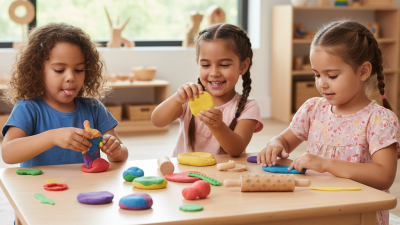
When it comes to enhancing play dough fun, having the right tools and accessories can make a big difference. Structured play encourages creativity and learning. According to research, children who engage in tactile play are more likely to develop fine motor skills. The right accessories can deepen this experience. Simple items like rolling pins, cookie cutters, and molds can spark imagination. They allow for endless shapes and creative designs.
A 2020 study revealed that more than 75% of educators suggest the use of colorful tools. Bright colors can attract children's attention and encourage interaction. Adding accessories like textured mats or stamps can introduce sensory exploration. Yet, it's important to note the balance. Too many tools may overwhelm kids. They might spend more time choosing than actually creating. By focusing on a few quality items, children can maintain interest and enhance their learning journey.
Furthermore, storing these tools can be just as crucial. Having a designated space increases the likelihood of organized play. However, messy areas often reflect exploration and creativity. Often, the best ideas emerge from a little chaos. Embracing this aspect may indicate a child’s growing depth in imaginative play. As parents and educators, reflecting on the balance of structure and freedom is key in fostering creativity.
Creative Techniques for Sculpting and Designing with Play Dough
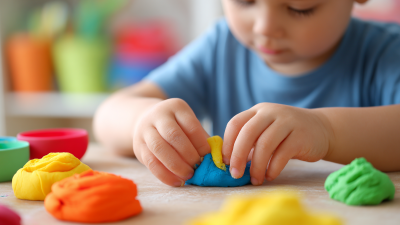
Sculpting with play dough opens up a world of creativity. Children can explore shapes and colors while developing fine motor skills. Start with basic shapes—balls, cylinders, or cubes. Even these simple forms can become complex designs. A little imagination can transform a basic sphere into a vibrant planet or a round fruit.
Technique matters, too. Encourage kids to roll, flatten, and shape dough in various ways. Use everyday objects as tools. A fork can create texture, while a cookie cutter can offer fun shapes. When mistakes happen, they can lead to unique creations. An unintended hole or a wobbly figure can inspire new ideas. Embracing imperfections teaches children that art is about exploration, not perfection.
Color mixing can enhance the experience. Blend different shades to see what happens. Mixing colors can lead to unexpected hues. Kids may not always get the shade they want, but that's part of the fun. This experimentation nurtures critical thinking. Overall, play dough serves as an excellent medium for learning and creativity, letting young artists shape their own world, however imperfectly.
10 Essential Play Dough Tips for Creative Fun and Learning
Incorporating Learning Activities into Play Dough Play Sessions
Play dough is more than just a fun activity; it can be a powerful learning tool. Engaging children in play dough activities encourages fine motor skills and creativity. According to a study by the National Association for the Education of Young Children (NAEYC), children engaged in tactile activities show improved hand-eye coordination. This is critical for later writing skills.
To incorporate learning, use play dough to teach shapes. Create various shapes together and ask children to identify them. This reinforces shape recognition in a playful manner. Another idea is to use play dough for counting exercises. Children can roll balls of dough to represent numbers, making math tangible and exciting.
Don't forget about storytelling with play dough! Children can create characters and scenes, nurturing their imagination and language skills. However, it’s important to remember that not every session will go as planned. Managing expectations helps. Sometimes the play dough can be too soft or crumble easily. Embrace these moments as opportunities for discussion. Ask children why they think their dough is behaving that way. This reflection can lead to valuable insights and enhance their problem-solving skills.