How to Make Play Dough at Home Easy Recipes for Kids?

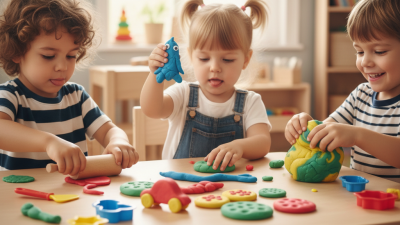
Play Dough is a timeless favorite among children, bringing creativity and fun to playtime. Making Play Dough at home is both simple and rewarding. It allows children to engage their imagination and develop fine motor skills. Homemade Play Dough can be crafted with easy ingredients found in every kitchen. This activity can strengthen the bond between parents and kids through collaboration and laughter.

Creating Play Dough can sometimes be a bit messy. Flour may spill, and colors might stain surfaces. Yet, these small challenges are part of the fun. Embrace any imperfections in the process. The joy lies in the experience and creativity. Whether you want soft pastel shades or vibrant colors, your child can explore their artistic side. This hands-on activity encourages exploration and problem-solving skills.

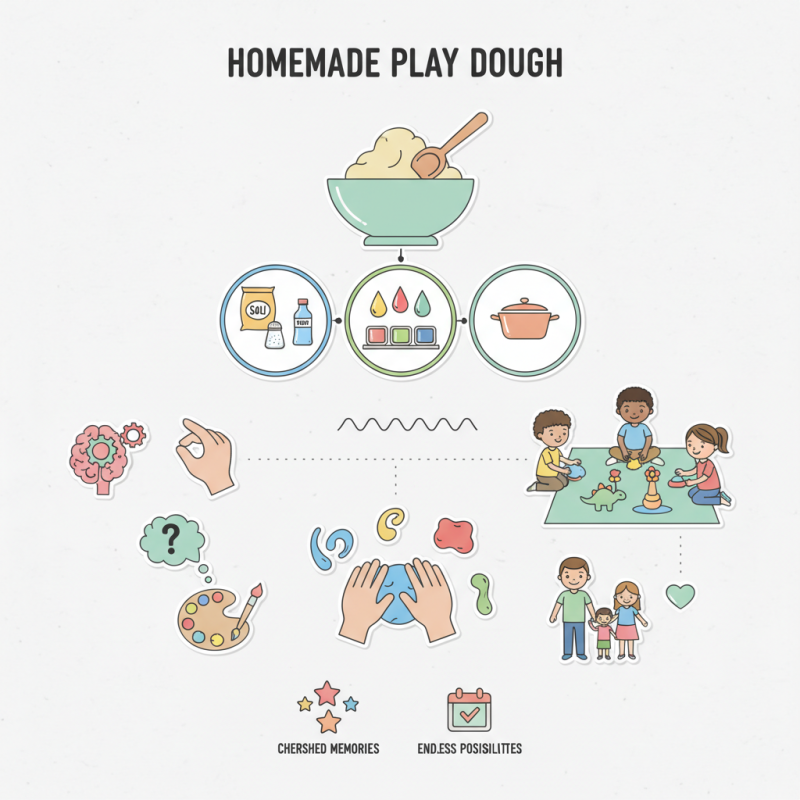
When making Play Dough, it’s important to follow some basic guidelines for safety. Measure ingredients carefully and supervise children as they mix. A simple recipe can lead to hours of imaginative play. Homemade Play Dough is not just a craft; it is a gateway to endless possibilities and cherished memories.
How to Make Play Dough at Home Easy Recipes for Kids?

Ingredients Needed for Making Homemade Play Dough

How to Make Play Dough at Home Easy Recipes for Kids?

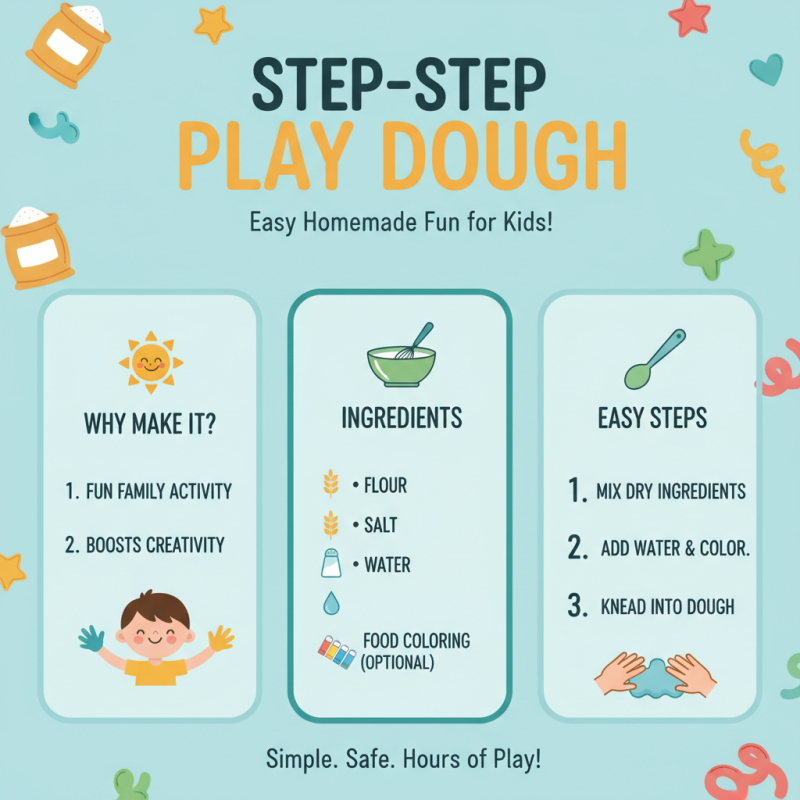
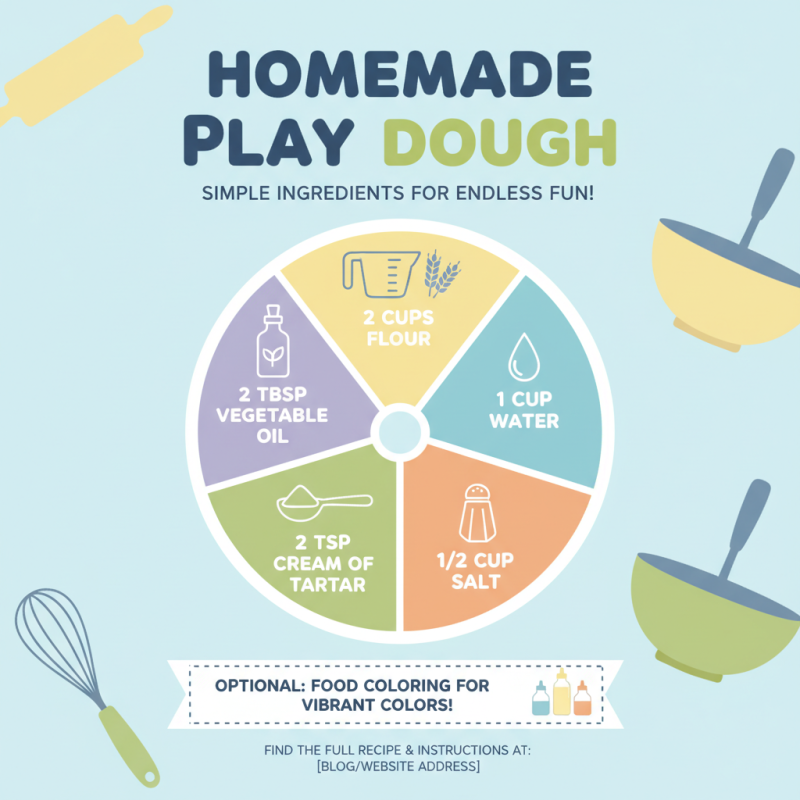
Making play dough at home can be a fun and educational activity for kids. The ingredients needed are simple and often found in many households. Typically, you will need flour, water, salt, cream of tartar, and vegetable oil. Measurements can vary, but a common recipe uses 2 cups of flour, 2 tablespoons of vegetable oil, and 1 cup of water.

Experts in child development emphasize the benefits of tactile play. According to a report from the American Academy of Pediatrics, sensory play helps enhance fine motor skills and fosters creativity. Making play dough offers an opportunity for kids to learn about measuring and mixing, which can support their cognitive development.

While these ingredients are straightforward, there can be variability in texture and consistency. Sometimes, the dough may end up too sticky or dry. Adjusting the water or flour can help achieve the desired outcome. Parents should encourage kids to experiment with ratios and colors, fostering a spirit of exploration. This process highlights that sometimes, the journey of creation is just as valuable as the final product.
Step-by-Step Instructions for Easy Play Dough Recipes

How to Make Play Dough at Home Easy Recipes for Kids?

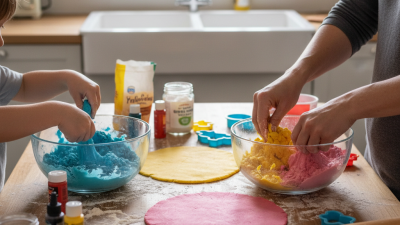
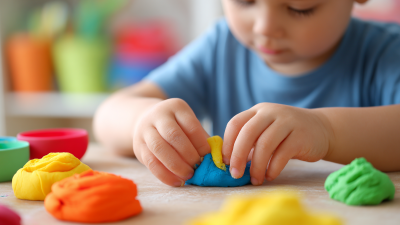
Making play dough at home can be a fun activity for kids. It’s an easy project that fosters creativity. The best part? You only need a few simple ingredients. Children can join in the process, making it a family affair.

To start, gather flour, salt, water, and cream of tartar. Measure two cups of flour and one cup of salt in a mixing bowl. Stir in two cups of water and a tablespoon of vegetable oil. Don’t forget the cream of tartar; it helps create a smooth texture. Mix everything until it's well combined. If it’s too sticky, you can always add a little more flour.

Next, pour the mixture into a saucepan. Cook it over medium heat, stirring constantly. It will start to clump together; this is a good sign! Once a dough forms, remove it from the heat. Let it cool a bit, then knead it with your hands. Kids often find this part thrilling! You can customize it with food coloring for added fun. It might not always turn out perfectly, but that’s part of the discovery. Embrace the mess!

Tips for Achieving the Perfect Play Dough Consistency

Making play dough at home can be a fun activity for kids. Achieving the perfect consistency is crucial for a satisfying play experience. A smooth, non-sticky dough keeps little hands engaged and creative.

One tip is to measure your ingredients carefully. Use precise amounts of flour, water, and salt. Too much water can make the dough sticky, while too little can create a crumbly texture. You want a dough that is pliable but not wet. If your mixture feels too sticky, add a little more flour. If it's too dry, a few drops of water can help.

Another key factor is kneading the dough. This step helps develop the right texture. Knead it for a few minutes until it feels soft and stretchy. If it’s difficult to knead, this could indicate too much flour was added. Don't hesitate to adjust as you go along. The process may not be perfect, and that's okay. Experimentation is part of the fun, and kids learn a lot from trial and error.

Comparison of Play Dough Consistency Based on Ingredients

Creative Ideas for Color and Scent Additions

Making play dough at home can be a delightful activity for kids. It’s not just about mixing flour and water; it’s also about creativity. To enhance the sensory experience, consider adding colors and scents. Natural colors from beet juice or turmeric can give your play dough vibrant hues. For scents, vanilla extract or essential oils like lavender work wonders. Kids will love the playful aromas while they create.

Tip: Always test your colors and scents. Some may turn out too strong or not vibrant enough. Adjust according to your child’s preference.

Playing with different textures can be fun too. Adding sand or cornstarch can change the feel of your dough. Experiment with varying textures to keep the activity engaging. Kids often provide surprising feedback. They might dislike a scent or find a texture too grainy. Listen to them and make adjustments for a better experience.

Creating play dough can be a reflective process. Maybe the dough didn’t come out as expected. That's okay! It’s all part of learning and having fun. Encourage kids to think about improvements. This process nurtures their creativity and problem-solving skills. Each batch can be a new adventure, and that’s what makes it exciting.

Safe Storage Methods for Homemade Play Dough

When it comes to storing homemade play dough, safety and usability should be top priorities. Ensure that you store the dough in airtight containers. Glass jars or tightly sealed plastic containers work best. This prevents air from drying it out. Remember to label the containers with the date. This way, you know how long the dough has been stored. Homemade play dough typically lasts one to three months, depending on the ingredients used and the storage method.

If you notice any changes in color or texture, it's a sign the dough may not be safe to use. Mold can form if moisture gets in, even with airtight storage. It’s important to check your play dough regularly. You may end up throwing away a batch if it's been neglected. For optimum results, keep the containers in a cool, dry place away from direct sunlight. This will extend the life of your homemade play dough and keep it fresh for your kids’ creative play sessions.

Experimenting with different methods is also part of the fun. Not every attempt will yield the desired outcome. Some batches may be too sticky, while others could be too dry. Don’t be discouraged. Adjusting the water or flour content can lead to better results. Pay attention to consistency, and you’ll develop a play dough recipe that can be enjoyed over and over.

How to Make Play Dough at Home Easy Recipes for Kids? - Safe Storage Methods for Homemade Play Dough

Recipe Name Main Ingredients Steps Storage Method
Classic Play Dough Flour, Salt, Water, Cream of Tartar, Oil 1. Mix dry ingredients. 2. Combine wet ingredients. 3. Cook until thick. 4. Cool and knead. Store in an airtight container at room temperature.
Edible Play Dough Peanut Butter, Honey, Powdered Sugar, Milk 1. Mix all ingredients until a dough forms. 2. Knead and shape. Refrigerate in a sealed container for up to a week.
Gluten-Free Play Dough Rice Flour, Salt, Water, Cream of Tartar, Vegetable Oil 1. Combine dry ingredients. 2. Add wet ingredients. 3. Cook until thick and knead. Keep in an airtight container in the fridge.
Scented Play Dough Flour, Salt, Water, Essential Oils, Cream of Tartar, Oil 1. Mix dry and wet ingredients separately. 2. Combine and cook. 3. Knead with added essential oils. Store in an airtight container; elevate with oils for long-lasting smell.