What is Dough Toys and Why Are They Popular Worldwide?
Dough Toys have gained immense popularity across the globe due to their engaging, sensory play. According to a recent market report, the global toy industry was valued at around $92 billion in 2021, with a significant share attributed to creative play products, including Dough Toys. These toys stimulate children's imagination and fine motor skills, allowing for open-ended play that encourages creativity.
Statistics show that 75% of parents consider creative play essential for their child's development. Dough Toys cater to this need by providing safe, versatile, and fun options. However, the market is not without its challenges. Concerns about safety and quality have emerged as manufacturers struggle to meet rising demands. The desire for eco-friendly materials is growing, prompting brands to innovate and improve their products.
The rise of Dough Toys is also reflected in social media trends. Families share their creative experiences widely, amplifying the product's appeal. Yet, some parents question the educational value of such toys. Despite this, the tactile nature of Dough Toys continues to draw children in, making them a staple in homes worldwide.
What Are Dough Toys?
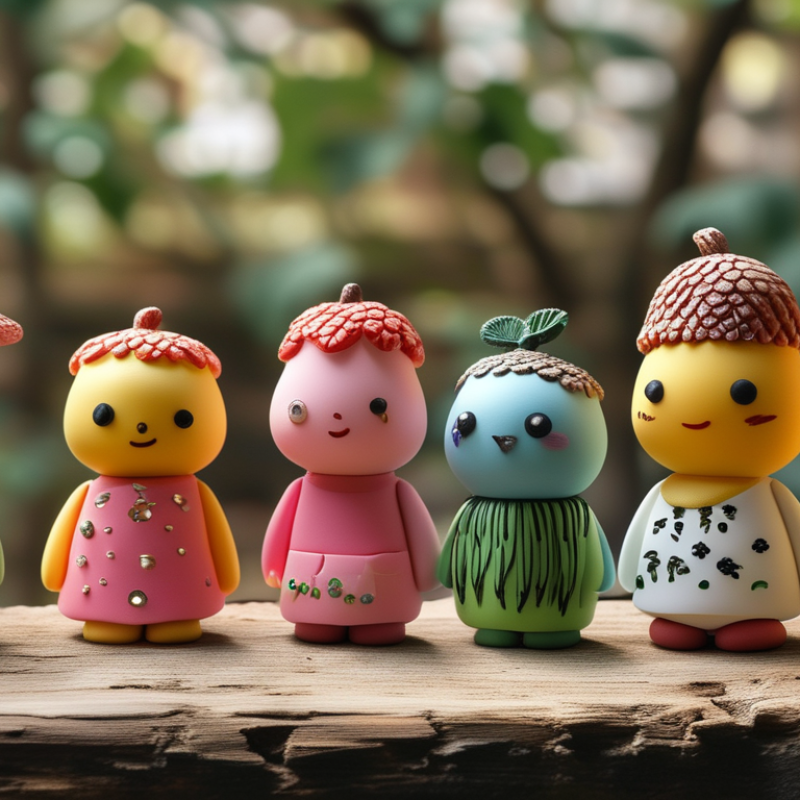
Dough toys are versatile playthings made from soft, malleable materials. They often come in various colors and textures. Kids enjoy molding them into shapes and figures. This creative process fosters imagination and fine motor skills. When playing, children often experiment with textures and forms. This sensory exploration can be calming and engaging.
The appeal of dough toys lies in their adaptability. They can be reshaped repeatedly, providing endless possibilities. Parents appreciate their educational benefits. While dough toys encourage creativity, they may also pose challenges. Some children might feel frustrated when their creations don’t match their vision. This can be a part of the learning process. It teaches patience and problem-solving.
Manufacturers often focus on non-toxic materials, ensuring safety. However, not all products are created equal. It is essential to choose high-quality dough toys. Parents need to research and select options with the right ingredients. This can prevent potential allergies and ensure enjoyable playtime. In a world filled with screens, dough toys offer tactile, hands-on experiences. They invite kids to unplug and create, offering both fun and education.
The History of Dough Toys and Their Evolution
Dough toys have a rich history that spans several decades, evolving from simple crafting materials to a beloved playtime staple. Originally created in the 1930s as a wallpaper cleaner, it didn't take long for dough to transition into a child's plaything. By the 1950s, various forms of dough toys began to emerge, with the introduction of vibrant colors and scents designed to engage young children. These changes marked a turning point in their evolution, moving dough from a household utility to a source of creative expression.
Research indicates that the global dough toy market has grown significantly, valued at over $1 billion in 2022, with an average annual growth rate of 5.5%. This rise reflects a broader trend towards hands-on learning and sensory play. Educational experts advocate for creative play as essential for child development. Hands-on activities enhance fine motor skills and foster cognitive growth. However, not all experiences with dough toys are positive. Sometimes, children may feel frustrated during play because of mixing colors or textures.
Manufacturers continually tweak their formulations to keep them appealing. While traditional recipes are still popular, new compounds and biodegradable options are entering the market. The focus is on sustainability and safety. In a 2021 survey, 68% of parents expressed concern over the safety of materials used in children's toys. Addressing these concerns is vital. Dough toys must balance fun and educational value with safety features.
The Benefits of Playing with Dough Toys for Children
Playing with dough toys offers numerous benefits for children's development. These colorful, malleable substances stimulate creativity and imagination. Children can mold shapes, animals, or even fantastical creatures. This process enhances fine motor skills essential for writing and daily activities.
In addition, dough toys provide a sensory experience. The different textures, colors, and scents engage children's senses in a unique way. This kind of play can promote emotional well-being. Many children express themselves better through hands-on activities rather than words. However, not every child responds positively to this form of play. Some may feel frustrated when creating specific shapes.
Social interaction is another significant aspect of playing with dough. When children play together, they learn vital social skills. Sharing tools, negotiating ideas, and collaborating on projects help build friendships. Yet, it’s important to encourage patience, as conflicts can sometimes arise. Teaching children to handle disagreements on their own is a valuable lesson too.
What is Dough Toys and Why Are They Popular Worldwide? - The Benefits of Playing with Dough Toys for Children
| Dimension |
Details |
| Age Range |
2 to 8 years |
| Developmental Benefits |
Enhances fine motor skills |
| Social Skills |
Encourages teamwork and sharing |
| Creativity |
Fosters imaginative play |
| Learning Aspects |
Promotes cognitive development |
| Popularity Reasons |
Safe, versatile, and fun |
| Texture Benefits |
Tactile engagement |
| Cultural Significance |
Popular in many cultures worldwide |
Dough Toys in Educational Settings: Enhancing Creativity
Dough toys have found a beloved place in educational settings. These soft, malleable materials help children express themselves creatively. Teachers often incorporate dough activities in their lessons. This encourages exploration and imagination. A simple ball of dough can become anything—a spaceship, a tree, or even a character from a story.
Using dough in education supports fine motor skill development. As children roll and pinch, they strengthen their hand muscles. This activity can be messy, and some kids may struggle with it. Yet, those challenges promote resilience. Mistakes are part of the learning process. Children learn to adapt their ideas and try again, fostering a growth mindset.
Dough activities also encourage collaboration. Children often work together, sharing ideas and materials. They communicate, negotiate, and share their creations. Through this interaction, they develop social skills. Observing these activities, educators can assess children's progress creatively. It reveals both strengths and areas needing improvement. The valuable insights gained are essential for tailored educational support.
Why Dough Toys Have Gained Popularity Globally
Dough toys have seen a tremendous surge in popularity worldwide. According to recent market research, the global dough toy industry is projected to grow by over 9% annually. This increase correlates with the growing interest in hands-on, sensory activities for children. Many parents are turning to dough toys for early childhood development. These toys encourage creativity and fine motor skills, essential for young minds.
A notable factor in their rise is the focus on screen-free play. In an era dominated by digital devices, parents seek alternatives that promote engagement and imagination. Dough toys offer an accessible solution. They stimulate tactile exploration and allow children to express themselves through shaping and molding. Some studies suggest such play can enhance cognitive function in children.
Moreover, educational institutions are integrating dough toys into their curricula. They recognize their value in teaching shapes, colors, and patterns. However, concerns about safety and hygiene persist. Not all dough products are made with non-toxic materials. Parents should scrutinize labels and opt for reputable options. Balancing fun and safety is crucial in this ever-evolving market.