What is Dough Toys and How They Enhance Children's Creativity and Development

Dough Toys have emerged as a significant tool in early childhood education, promoting creativity and development in children. According to a report by the American Academy of Pediatrics, hands-on activities like dough manipulation can enhance fine motor skills and cognitive abilities in young learners. Engaging in creative play with dough allows children to explore textures, colors, and shapes, fostering their imagination and problem-solving skills. Furthermore, a survey from the National Association for the Education of Young Children highlights that children who engage with tactile learning resources, such as dough, show a marked improvement in critical thinking and collaboration skills.

In today's digital age, while technology plays a crucial role in children's learning, traditional play materials like Dough Toys have remained relevant. The Educational Play Association reports that children who participate in creative play with materials like dough are more likely to exhibit higher levels of emotional intelligence and social interaction. This blend of tactile engagement and imaginative expression not only boosts creativity but also supports emotional well-being. As parents and educators increasingly recognize the importance of hands-on learning, Dough Toys stand out as an invaluable resource for developing essential life skills in a fun and interactive way.
What is Dough Toys and How They Enhance Children's Creativity and Development

Understanding Dough Toys: An Overview of Types and Benefits

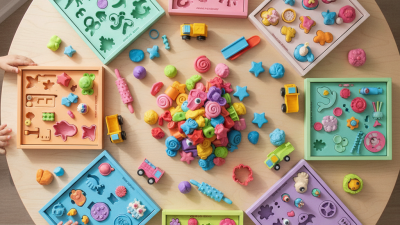
Dough toys, also known as modeling clay or playdough, are versatile tools that can significantly enhance children's creativity and development. There are various types of dough toys available, ranging from traditional playdough to specialty scented or glitter-infused options. Each type provides a unique sensory experience, encouraging children to explore their imagination.

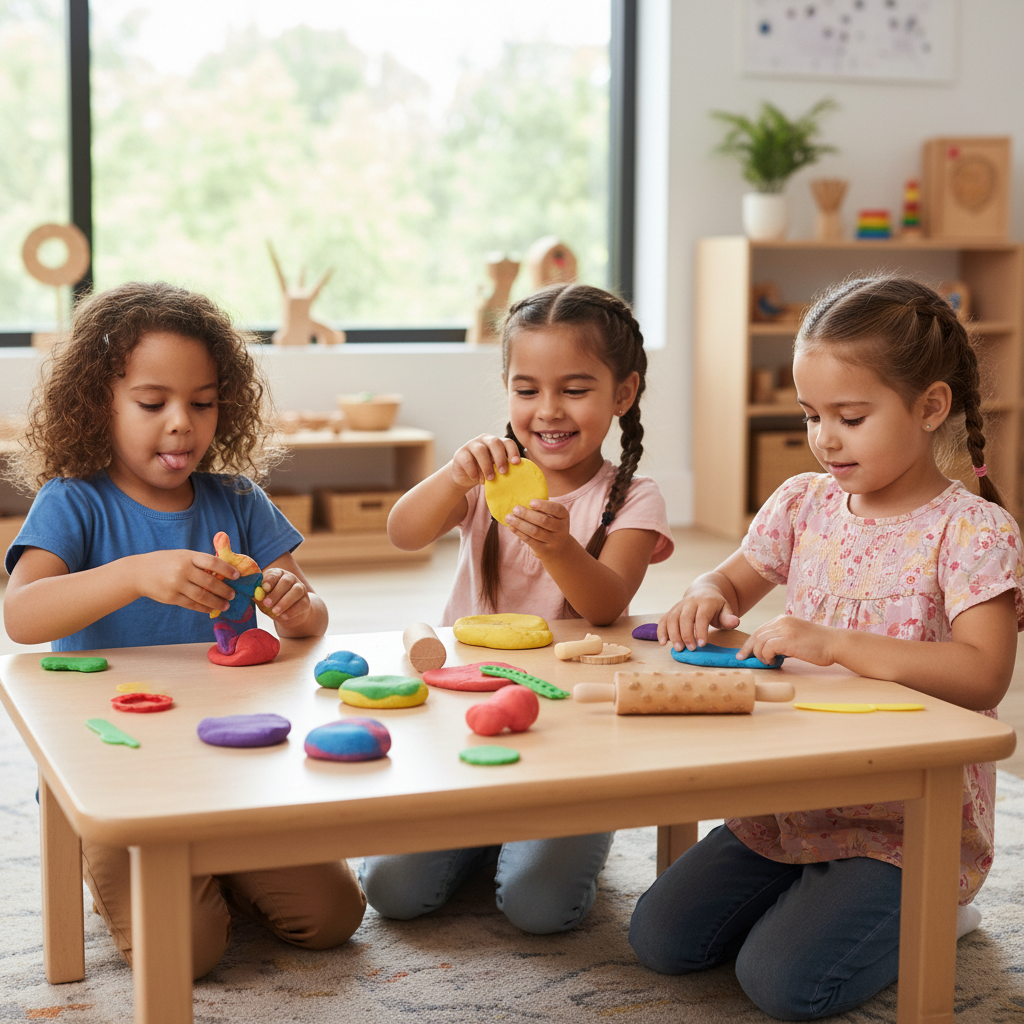
Playing with dough can enhance a child's fine motor skills as they mold, squeeze, and shape the material. Engaging in such tactile activities promotes hand-eye coordination and strengthens the muscles in their hands, which are essential for future writing skills. Additionally, dough play fosters creativity by allowing children to visualize and bring their ideas to life.

**Tips:** When introducing dough toys, consider providing various tools such as rolling pins, cookie cutters, or stamps to expand the play experience. Allow children to experiment freely with different shapes and colors, promoting open-ended creativity. Always supervise playtime, especially with younger children, to ensure they don't ingest the materials. Encouraging collaborative play with peers can also enhance social skills and communication through shared creation efforts.

What is Dough Toys and How They Enhance Children's Creativity and Development

Dough Toy Type Description Benefits Recommended Age
Classic Modeling Dough Soft, pliable dough that can be shaped and molded into various forms. Enhances fine motor skills and imaginative play. 3 years and up
Air-Dry Clay Clay that hardens when exposed to air and can be painted or decorated. Encourages creativity and provides a sense of achievement. 5 years and up
Scented Dough Dough infused with pleasant fragrances that appeal to the senses. Stimulates sensory exploration and relaxation. 3 years and up
Shimmery Dough Dough that has a sparkly finish, enhancing visual appeal. Promotes creativity and visual learning. 4 years and up

The Role of Dough Toys in Fostering Creativity and Imagination

Dough toys are versatile tools that serve to spark creativity and imagination in children. By manipulating dough into various shapes and forms, kids engage in open-ended play that encourages them to explore their ideas freely. This process not only enhances their artistic skills but also fosters problem-solving abilities as they figure out how to create their envisioned designs. The tactile experience of handling dough stimulates their senses and invites them to experiment with colors, textures, and forms, thus nurturing their creative thought processes.

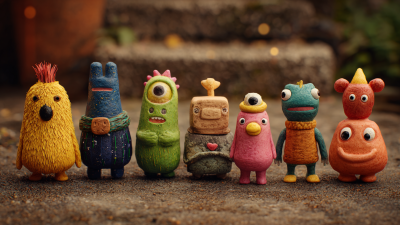
Tips for parents: Encourage your child to experiment with different techniques, such as rolling, molding, and cutting, to design unique creations. You can also introduce thematic play—like shaping animals, food, or fantasy creatures—this can inspire more complex narratives and enhance imaginative storytelling. Engaging in dough play alongside your child can also provide opportunities for bonding while reinforcing their creative instincts.

In addition to creativity, dough play supports fine motor development as children manipulate the material. They strengthen their hand muscles and hand-eye coordination, essential skills for tasks such as writing and using tools later in life. Provide a variety of tools, such as rolling pins and cookie cutters, to facilitate exploration and keep the play engaging.

How Dough Toys Support Fine Motor Skills and Hand-Eye Coordination

Dough toys, often crafted from pliable materials like playdough or modeling clay, serve as an exceptional tool for enhancing children's fine motor skills and hand-eye coordination. As children manipulate the dough—rolling, squishing, and molding shapes—they engage their small hand muscles, which is crucial for developing dexterity. These activities challenge them to control their hand movements, thereby strengthening the neural connections that govern fine motor skills.

Furthermore, the process of creating shapes with dough significantly promotes hand-eye coordination. When children use tools, such as rolling pins or cookie cutters, they must visually track their movements and adjust their grip and pressure accordingly. This interplay between sight and movement fosters a deeper understanding of spatial relationships and improves their ability to coordinate future tasks. By providing an enjoyable and interactive medium for play, dough toys not only stimulate creativity but also lay the groundwork for essential developmental skills.

Exploring Educational Aspects: Learning Through Play with Dough Toys

What is Dough Toys and How They Enhance Children's Creativity and Development

Dough toys, often simple yet versatile, play a significant role in enhancing children's creativity and development through the fundamental principles of learning through play. According to the American Academy of Pediatrics, engaging in tactile play can foster decision-making and problem-solving skills in children. As kids manipulate dough, they not only ignite their imagination but also improve fine motor skills, essential for later tasks like writing. A survey by the National Association for the Education of Young Children (NAEYC) corroborates that children who engage in creative play, such as with dough, are more likely to develop critical thinking abilities and emotional intelligence.

Tips for parents: Encourage open-ended play by providing various tools like cookie cutters, rolling pins, and textured objects. This not only sparks creativity but also allows children to experiment with shapes and sizes, enhancing their spatial awareness. Additionally, set aside regular "dough time" in their daily routine to reinforce the habit of creative play, as studies show consistent engagement in such activities leads to greater benefits in cognitive development.

Furthermore, dough toys can be integrated into learning experiences that promote literacy and numeracy. For instance, while playing, parents can introduce counting and letters, using dough shapes to represent numbers or words. The National Institute for Play highlights that this kind of interactive learning makes academic concepts more accessible and enjoyable for young learners, paving the way for a lifelong love of learning.

Safety Considerations and Choosing the Right Dough Toys for Children

When selecting dough toys for children, safety should be the foremost consideration for parents and caregivers. According to a report by the American Society for Testing and Materials (ASTM), more than 30% of toy-related injuries occur due to unsafe materials or choking hazards. To mitigate these risks, look for dough toys that are labeled as non-toxic and free from harmful chemicals, such as phthalates and heavy metals. Additionally, age-appropriate toys that comply with safety standards are crucial, as they often come with design features that minimize the risk of accident or injury.

The choice of the right dough toys can significantly influence a child's developmental journey. Studies from the National Association for the Education of Young Children (NAEYC) indicate that engaging in creative play with dough enhances fine motor skills and cognitive development in children aged 2 to 5. Parents should prioritize options that encourage imaginative play, such as moldable dough kits that include various shapes and tools. This will not only elevate the fun factor but also contribute to critical thinking and problem-solving skills as children experiment with different creations. Ensuring that the chosen dough toys align with safety standards while promoting creativity makes for a well-rounded play experience.