Top 10 Creative Play Dough Ideas for Endless Fun and Learning
Play Dough is a versatile material that sparks creativity and imagination in children. It is not just a fun activity but also serves as a great educational tool. With endless possibilities, Play Dough can enhance fine motor skills, creativity, and cognitive development.
Imagine shaping colorful figures or learning to count with bright pieces of dough. The tactile experience engages kids in a way that digital play cannot match. While many see Play Dough as a simple material, it opens up a world of learning opportunities.
However, it’s important to remember that every child’s experience is unique. Not every idea will resonate, and that’s okay. Some may find certain activities challenging or uninteresting. Embracing these differences is part of the journey. Explore these creative ideas and adjust them to fit your child's interests and abilities. Play Dough can lead to discovery and growth in unexpected ways.
Creative Play Dough Basics: Tools and Ingredients to Get Started
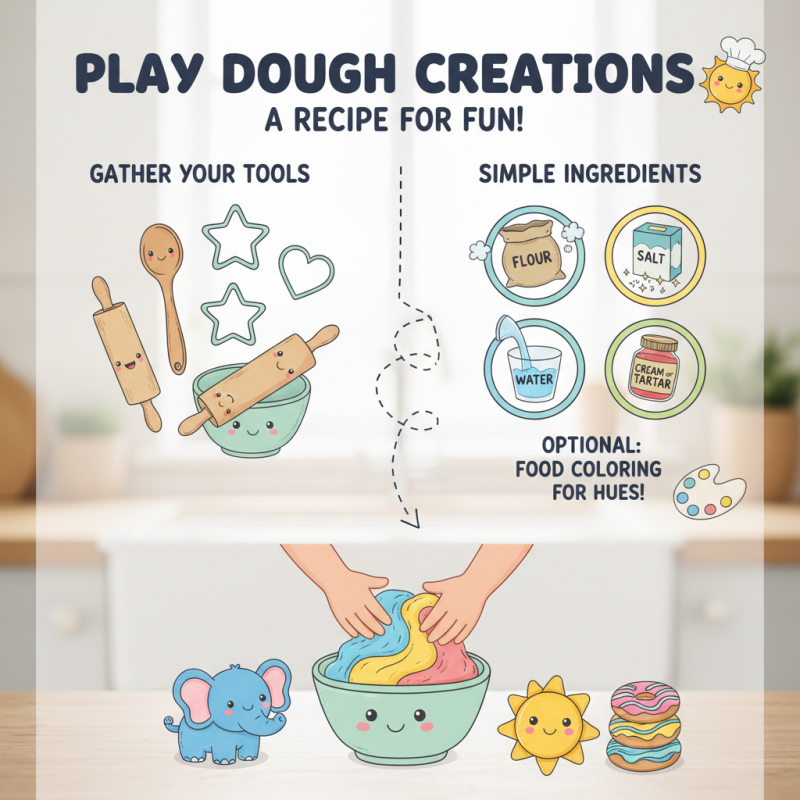
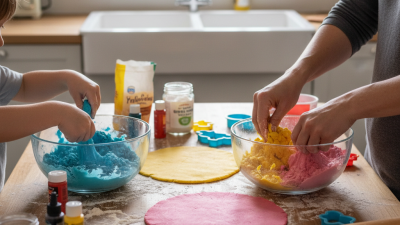
Creating with play dough is a joyful experience. To start, gather basic tools and ingredients. You'll need flour, salt, water, and cream of tartar. These form the foundation of your play dough. You can also add food coloring for vibrant hues.
Mixing the ingredients can be messy. Flour can fly, and water can splash. It’s important to keep the workspace tidy. Use a large bowl for mixing. A sturdy spoon helps combine everything well. Kids love taking part in this process, even when the results are unpredictable. Sometimes the dough can be too sticky or too dry. Adjusting the consistency is part of the learning.
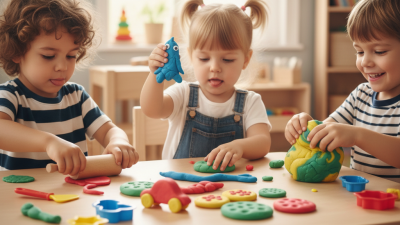
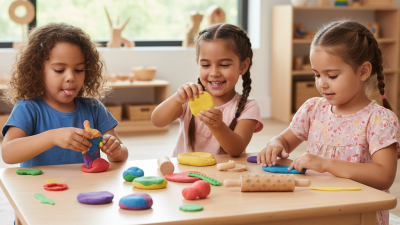
Once ready, the real fun begins. Use cookie cutters, rolling pins, or even simple utensils to mold shapes. Creativity is limitless. Encourage imaginative play, but know that not every creation will be perfect. Accepting imperfections aids in learning. Embrace the chaos; it leads to the best memories.
Exploring Color Mixing Techniques with Play Dough for Educational Fun
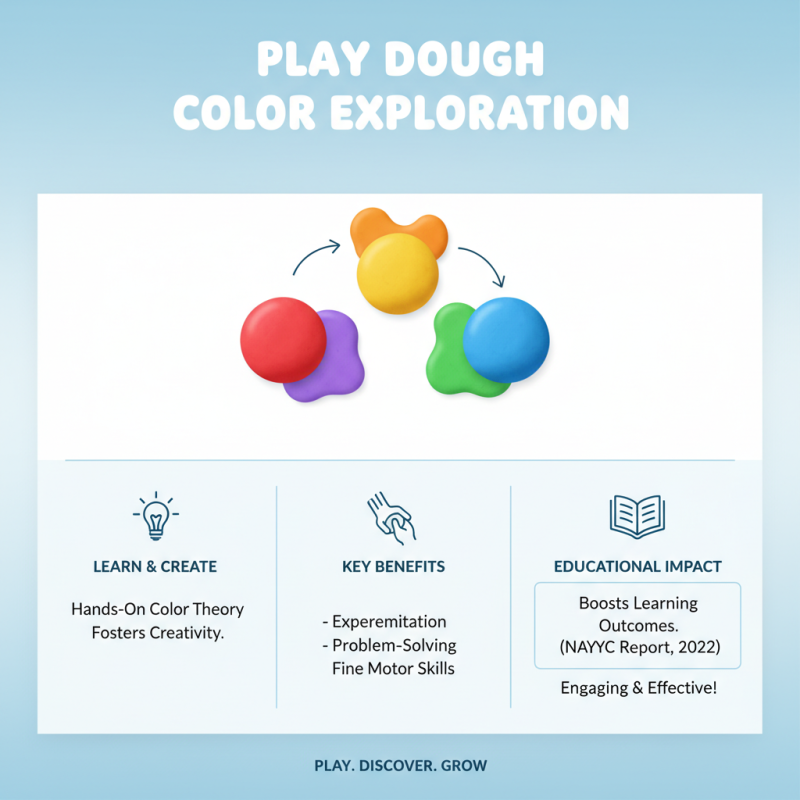
Color mixing with play dough is an engaging way for children to learn. This activity fosters creativity while introducing basic color theory. According to a 2022 report by the National Association for the Education of Young Children, hands-on activities significantly enhance learning outcomes. Mixing colors encourages experimentation and problem-solving.
Start by providing primary colors like red, blue, and yellow. Encourage children to blend these colors. They can create orange by mixing red and yellow. This process helps them understand cause and effect. However, not all mixtures yield expected results. Sometimes the colors turn into a muddy brown. This prompts discussions about color properties and encourages persistence.
Research shows that sensory play, like using play dough, helps develop fine motor skills. A study published in the Journal of Child Development indicated that children who engage in sensory play demonstrate improved hand coordination. Mixing colors adds another layer of complexity. It can be frustrating but also rewarding when they achieve a vibrant new shade. Engaging with play dough is not just fun; it’s an educational experience that fosters resilience and exploration.
Fun Shapes and Sculptures: Encouraging Imagination Through Play Dough
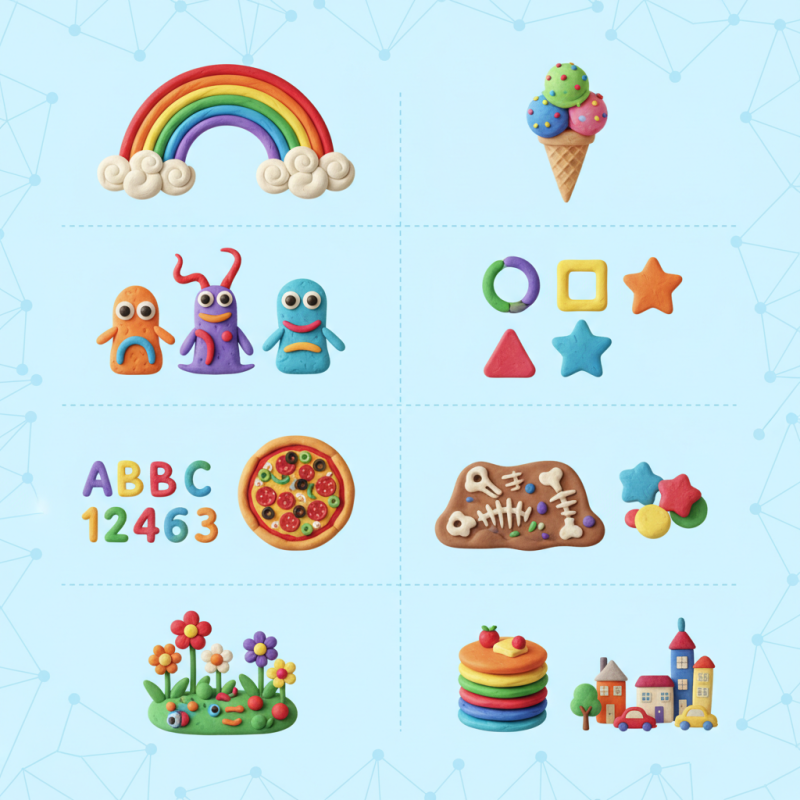
Play dough offers a fantastic platform for creativity and learning. Kids can mold, shape, and create anything their imaginations conjure. According to a recent study, engaging in creative play can significantly enhance cognitive skills in children. Sculpting with dough not only improves fine motor skills but also encourages imaginative thinking.
For optimal results, mix different colors of dough. Creating vibrant blends can inspire children to explore color theory. Play dough can be used to depict animals, landscapes, or abstract art. This variety keeps creativity flowing and can help build confidence in children’s artistic abilities. However, not every creation will turn out as expected. Embracing imperfections is part of the learning process.
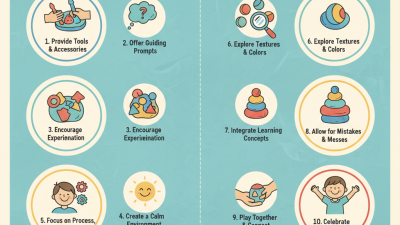
Tips: Encourage kids to express their ideas freely. Offer limited guidance and let them lead their creations. You might be surprised by their unique perspectives. Regular play can be a challenge for some. When frustration arises, take a step back. Sometimes, a little break allows for fresh ideas to emerge. Always remember to celebrate the effort over the outcome.
Top 10 Creative Play Dough Ideas for Endless Fun and Learning
| Idea |
Description |
Benefits |
| Mini Animals |
Create small animals using different colors of play dough. |
Enhances fine motor skills and creativity. |
| Play Dough Pizza |
Make a colorful pizza with various toppings using play dough. |
Promotes imaginative role play and decision making. |
| Flower Garden |
Sculpt vibrant flowers and create a miniature garden scene. |
Encourages awareness of nature and artistic expression. |
| Shape Town |
Construct a town using geometric shapes as buildings. |
Teaches shape recognition and spatial awareness. |
| Dinosaur World |
Model various dinosaurs and create a prehistoric landscape. |
Fosters learning about history and imagination. |
| Underwater Scene |
Design an ocean landscape with sea creatures and plants. |
Promotes creativity and storytelling skills. |
| Rainbow Cake |
Fashion a colorful cake with layers made from different colors. |
Encourages creativity and understanding of colors. |
| Circus Scene |
Model a circus with performers, tents, and animals. |
Stimulates imagination and social skills through play. |
| Robot Friends |
Create different robots using various colors and shapes. |
Encourages creativity and problem-solving skills. |
| Seasonal Scenes |
Representation of seasonal elements like snowmen in winter or flowers in spring. |
Teaches about seasons and promotes imaginative thinking. |
DIY Play Dough Recipes: Natural and Safe Options for Kids
Making your own play dough can be a fulfilling project. It allows for creativity and safe playtime for children. Use simple ingredients found at home. For a natural touch, consider flour, salt, and water. You can add food coloring for vibrant creations. Essential oils can also provide pleasant scents. However, measuring can be tricky. Too much salt can make it grainy. Adjust as needed for the best texture.
Kids love to explore different colors and shapes. Homemade play dough is great for sensory play. When mixed with other materials like beads or glitter, it enhances creativity. Letting children join in the process is rewarding. They can help mix, knead, and choose colors. But be prepared for a mess. Flour may scatter, and colors might stain. It’s not always perfect, and that’s okay. The fun is in the process and not just the final product.
Remember to store the play dough correctly. An airtight container keeps it fresh. But even with proper storage, it might harden over time. Don’t be discouraged. A little water can often revive it. Encourage kids to use their imagination. They can create anything from animals to food. The possibilities are endless. Enjoy the messy, creative journey together!
Incorporating Learning Activities: Math and Science with Play Dough
Play dough is more than just a fun sensory experience. It serves as a powerful tool for math and science learning. A recent study from the National Association for the Education of Young Children highlighted that hands-on activities improve cognitive development in children aged 3 to 5. Through play dough, kids can grasp complex concepts in engaging ways. For instance, rolling dough into spheres helps illustrate geometric shapes. This tactile experience reinforces learning and enhances memory retention.
Incorporating math into play dough activities is effortless. Children can count the number of shapes they make, practice addition by combining pieces, or even create patterns. According to a report by The Center for Early Education Research, children exposed to creative math activities show a 15% increase in early numeracy skills. Science concepts, like measurements, also benefit from play dough. Kids can measure ingredients for homemade dough, which introduces basic chemistry. Experimenting with colors by mixing dough teaches about primary and secondary hues.
However, there are challenges. Not every child engages equally with play dough. Some may find it messy or uninteresting. Overcoming this obstacle requires patience and creativity. Encourage exploration by introducing themes or stories. This approach can spark interest and enjoyment. Ultimately, these play dough activities offer opportunities for essential skill building, despite the occasional struggle to keep children focused.
Top 10 Creative Play Dough Ideas for Endless Fun and Learning