2026 How to Choose the Best Educational Toys for Childhood Development?
In recent years, the importance of Educational Toys in childhood development has gained significant attention. According to a 2020 report by the Toy Industry Association, the market for educational toys is projected to reach over $50 billion by 2026. This growth highlights a rising awareness among parents and educators about the role of play in learning.
Educational Toys are not just playthings. They are tools that stimulate cognitive and emotional growth. Studies show that children learn best through hands-on experience. Toys that promote problem-solving, creativity, and social interaction have proven to enhance developmental skills. Yet, not all toys are created equal. Parents must be discerning and intentional in their choices. A toy that seemingly offers educational value may lack necessary features for engagement.
As we consider the role of Educational Toys, it is crucial to examine their impact critically. Are they truly fostering development? Or are they simply trendy distractions? The reflection on these questions can guide better purchasing decisions. Understanding what makes an Educational Toy effective is essential for nurturing young minds.
Understanding Childhood Development Stages and Their Learning Needs
Understanding the developmental stages of childhood is crucial in selecting educational toys. Each stage, from infancy to preschool years, has distinct learning needs. Infants explore through sensory play, so toys with various textures and sounds are ideal.
Simple rattles and soft blocks stimulate their curiosity and motor skills.
As children reach toddlerhood, they begin to refine their motor skills. Toys that encourage manipulation, such as stacking rings or building blocks, support this growth.
Social play becomes more important, too. Puzzles and games that require cooperation can help them learn teamwork and problem-solving.
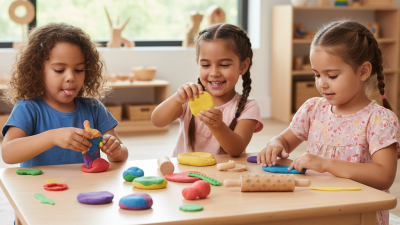
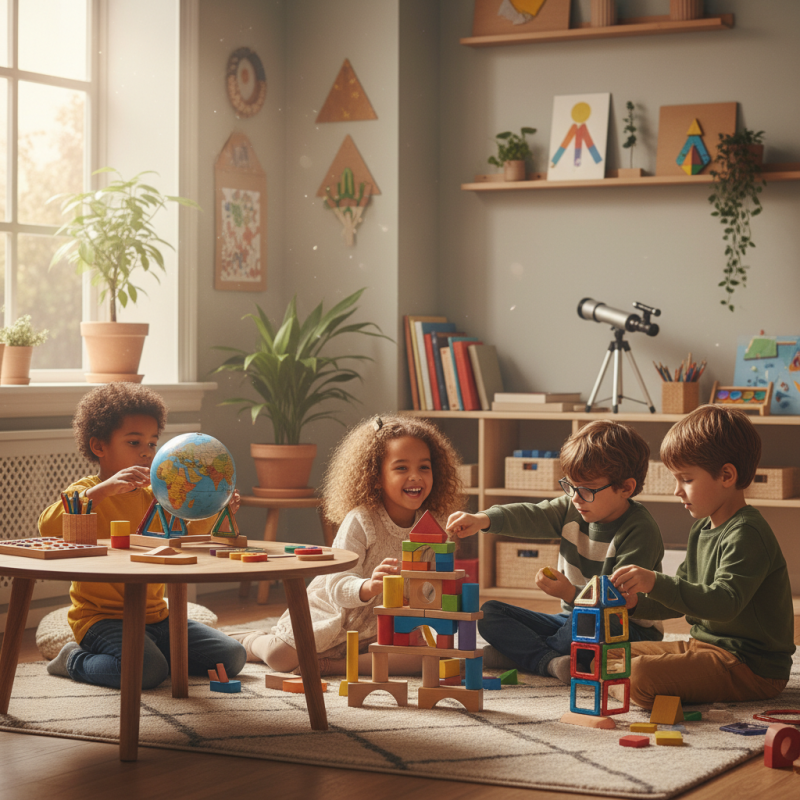
Preschool-aged children are ready to engage in imaginative play. They enjoy toys that allow for role-playing. Art supplies, dress-up clothes, and building sets can spark creativity.
However, parents should remember that not every child is the same. Some may feel overwhelmed with too many choices, while others might gravitate towards simpler toys. Observing a child's interactions is vital in finding what truly nurtures their development.
Identifying Key Features of Effective Educational Toys
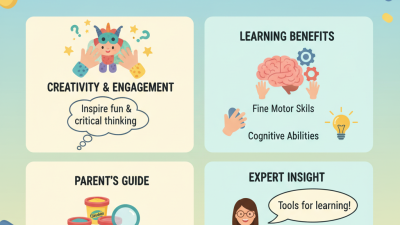
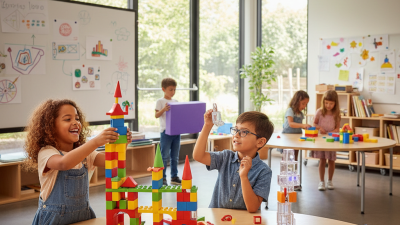
When selecting educational toys for childhood development, specific features matter. Look for toys that encourage creativity and critical thinking. Interactive elements can captivate a child's attention. For example, building blocks foster spatial awareness and problem-solving skills. Such toys can ignite a child's imagination and promote constructive play.
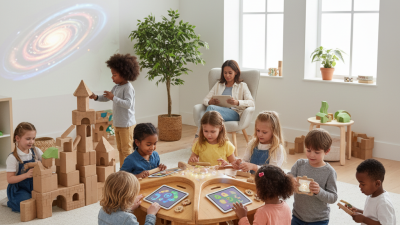
Another crucial aspect is age appropriateness. Toys should align with developmental milestones. A toy too complex can frustrate young learners. Conversely, overly simple toys might not engage them. This balance is essential for nurturing curiosity and growth. Furthermore, consider toys that promote social interaction. Games that require teamwork can enhance communication skills and empathy.
Safety cannot be overlooked. Ensure that materials are non-toxic and durable. Small parts can pose a choking hazard for younger children. Parents often overlook this detail, leading to potential dangers. Taking the time to research safety standards is essential. Reflecting on how toys foster learning can shift perspectives. It's not just about entertainment but long-term benefits.
Evaluating Safety Standards and Material Quality in Educational Toys
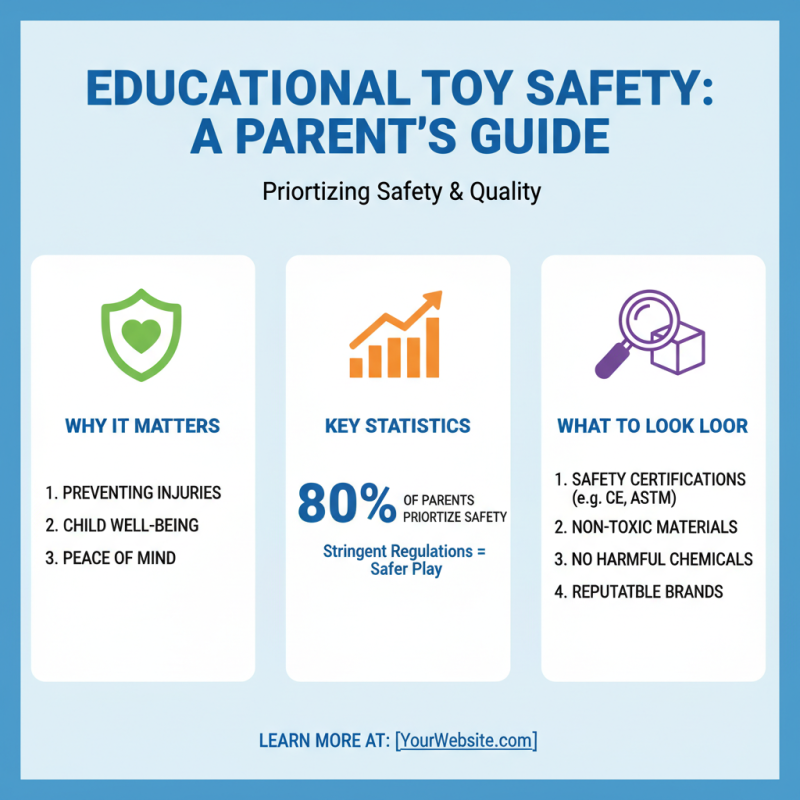
When selecting educational toys, safety standards and material quality are paramount. Recent studies indicate that nearly 80% of parents prioritize safety when buying toys. Toys that meet stringent safety regulations are crucial for preventing injuries. Look for toys labeled with safety certifications from reputable organizations, ensuring they contain no harmful chemicals.
Material quality is equally important. Many educational toys are made from plastics or wood. A 2021 report revealed that over 25% of toys made from low-quality plastic may leach harmful substances. Parents should consider toys made from non-toxic materials, like organic cotton or sustainably sourced wood. These options not only ensure safety but also support environmental sustainability.
However, not all high-priced toys guarantee safety. Some affordable options undergo rigorous testing. Therefore, it's essential to research the brands. User reviews can be insightful but should be approached cautiously. They may not always reflect the true safety and quality of the product. A thorough examination of materials and safety practices will help parents select the best educational toys for their children.
Utilizing Expert Recommendations and Child Psychology Research
Choosing the right educational toys is crucial for childhood development. Understanding child psychology is key in this process. Research shows that play is essential for cognitive, emotional, and social growth. Experts recommend toys that stimulate creativity and critical thinking. Look for items that encourage problem-solving and imaginative play.
When selecting toys, consider a child's age and interests. Open-ended toys often provide more learning opportunities. Simple blocks, art supplies, and puzzles can engage young minds effectively. Avoid overly complex toys, as they might frustrate rather than inspire.
Remember, not all popular toys align with developmental needs. Some may not encourage active engagement. Reflect on your child's interactions with their toys. If a toy is collecting dust, consider alternatives that may spark more interest and curiosity. Balancing fun and learning is key to fostering a holistic developmental environment.
2026 How to Choose the Best Educational Toys for Childhood Development?
| Toy Type |
Development Skills |
Recommended Age |
Safety Rating |
Price Range |
| Building Blocks |
Spatial Awareness, Fine Motor Skills |
2-6 years |
A+ |
$10 - $30 |
| Puzzle Games |
Problem Solving, Critical Thinking |
3-8 years |
A |
$5 - $25 |
| Art Supplies |
Creativity, Motor Skills |
2-10 years |
A+ |
$10 - $50 |
| Role-Playing Toys |
Social Skills, Emotional Development |
3-7 years |
A |
$15 - $40 |
| STEM Kits |
Logical Thinking, Hands-On Skills |
5-12 years |
A+ |
$20 - $100 |
Assessing Age Appropriateness and Skill Development Focus in Toys
Choosing educational toys requires careful thought. Age appropriateness is paramount. A toy meant for younger children may frustrate an older child. Conversely, a toy that is too advanced can hinder development. Understanding the developmental milestones of different age groups helps select suitable toys. For toddlers, focus on toys that encourage basic motor skills. For preschoolers, look for items that foster creativity.
Tips to consider: Observe your child's interests. If they enjoy building, opt for blocks that suit their age. If they love puzzles, ensure the pieces match their skill level. Engage with your child during play. This interaction enhances learning experiences.
Skill development should be a priority when selecting toys. Look for toys that encourage problem-solving, counting, or language skills. An educational toy might come with multiple uses. A simple shape sorter can teach colors, shapes, and hand-eye coordination.
Remember, not every toy will resonate. It's okay if your child loses interest quickly. This is a chance to explore different types of activities. Play is essential for development, but it should also be fun. Focus on balance. Education through play should inspire joy, curiosity, and a love for learning.