How to Choose the Best Dough Toys for Creative Play?

Choosing the best dough toys can enhance children's creativity and imaginative play. Dough toys offer a unique opportunity for kids to express themselves. They can mold, shape, and transform dough into various creations, allowing their imagination to flourish.

When selecting dough toys, consider the materials and safety features. High-quality, non-toxic options are essential. Look for colorful, appealing toys that engage children's interest. However, not all dough toys work equally well for different ages. Some may be too complex for younger children, leading to frustration. Reflecting on this can guide your choices.

Moreover, the design of the toys matters. Toys that encourage collaboration can boost social skills. Yet, some toys might lack the durability needed for extended play. Balance the excitement of creativity with the toy's longevity. Evaluating these factors leads to safer and more enjoyable play experiences for children with their chosen dough toys.

How to Choose the Best Dough Toys for Creative Play?

Factors to Consider When Selecting Dough Toys for Kids

When selecting dough toys for kids, consider safety first. Look for non-toxic materials. According to the American Academy of Pediatrics, children are particularly sensitive to harmful chemicals. Choose dough toys labeled as safe for young children. Avoid products containing gluten or allergens if your child has dietary restrictions.

Texture is also important. Soft, pliable dough enhances sensory experiences. Research by the National Association for the Education of Young Children shows that children benefit from tactile play. It aids in motor skills development. Moreover, dough with vibrant colors stimulates visual perception. This engages children's imaginations and encourages creativity.

Finally, consider the age appropriateness. Some dough toys are designed for older children. These may contain small parts that pose choking hazards. Always check age recommendations. Observing your child's interests is crucial. Are they drawn to sculpting, or do they prefer squishing? Tailoring choices to their preferences fosters deeper engagement. This, however, can be a trial-and-error process. Keep track of which toys captivate them the most.
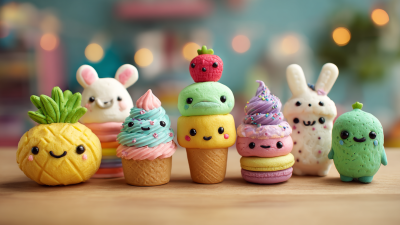

Types of Dough Materials and Their Impact on Play

When choosing dough toys, the type of material plays a crucial role in the overall experience. Common options include traditional clay, soft dough, and synthetic materials. Each has unique properties that influence creativity and play engagement. For instance, traditional clay can be heavy and drying, which might frustrate younger users. In contrast, soft dough is lighter and easier to manipulate, promoting longer play sessions.

Many parents overlook the sensory aspects of dough materials. Soft, pliable dough can enhance tactile exploration, which is essential for developing fine motor skills. Children enjoy the feeling of kneading and squishing. This interaction supports their sensory development. However, when the dough dries too quickly, it can lead to disappointment.

Tips: Always check the consistency of dough before purchase. Look for materials that remain pliable after extended use. If you notice any cracks or a tough texture, rethink your choice. Choose dough that encourages creativity without excessive frustration. The joy of play should always come first.

Age Appropriateness: Choosing Dough Toys for Different Developmental Stages

When selecting dough toys, age appropriateness is vital for fostering creativity and development. For toddlers, softer doughs like play dough are ideal. They can easily mold and shape while developing fine motor skills. Look for non-toxic materials that are safe for little hands. The focus here is exploration. Allow them to squish, roll, and create, even if the final shape is unrecognizable.

As children grow, their creativity transforms. Preschoolers benefit from more complex dough sets. Incorporate tools like rollers and cutters. These help refine their skills and promote imaginative play. At this stage, kids start to understand concepts like symmetry and patterns. However, it’s important to encourage them to experiment and make mistakes. Not every creation needs to be perfect. The process of playing is often more valuable than the end product.

For older kids, dough can be a medium for learning and artistic expression. They might enjoy themed kits that challenge their creative boundaries. While older children can tackle intricate designs, the focus should remain on fun, not perfection. Encourage your child to reflect on their work. Discuss what they liked or what could be improved. This not only enhances their creative thinking but also builds resilience. Creative play through dough fosters a love for learning that can last a lifetime.

How to Choose the Best Dough Toys for Creative Play? - Age Appropriateness: Choosing Dough Toys for Different Developmental Stages

Age Group Recommended Dough Toys Developmental Benefits
0-2 years Soft, non-toxic play dough with sensory elements Fine motor skills, sensory exploration
3-4 years Dough sets with cutters and molds Creativity, hand-eye coordination, imaginative play
5-6 years Dough modeling kits with textures and colors Creative expression, problem-solving skills
7+ years Advanced dough sets for sculpting and painting Artistic skills, critical thinking, patience

Creative Features to Look for in Dough Toys

How to Choose the Best Dough Toys for Creative Play?

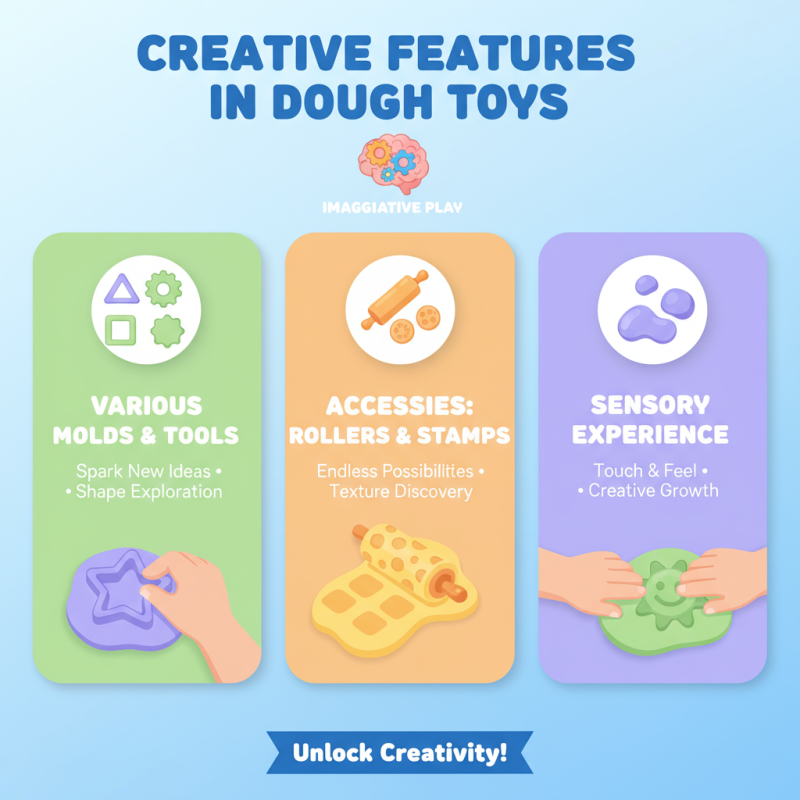
When selecting dough toys, consider the creative features they offer. Look for options that encourage imaginative play. Toys with various molds and tools can spark ideas in young minds. Items that come with accessories, like rollers and stamps, allow for endless possibilities. Children can explore shapes and textures, enhancing their sensory experiences.

Color variety is another important aspect. A broad spectrum of colors can stimulate a child’s creativity. Mixing colors adds a fun, experimental element. Some doughs even change hue when combined. This teaches kids about color theory while they play. Make sure the dough is easy to mold and retains its shape, promoting creativity without frustration.

Accessibility matters too. Choose dough toys that come in different sizes for various ages. Smaller packs are perfect for travel. Larger sets can provide group play opportunities. Reflect on safety and non-toxicity in material choices. Always check for quality to avoid potential pitfalls. Ensuring that toys are designed for ease of use can lead to more fulfilling artistic adventures.

Safety Standards and Non-Toxic Options for Dough Play

How to Choose the Best Dough Toys for Creative Play?

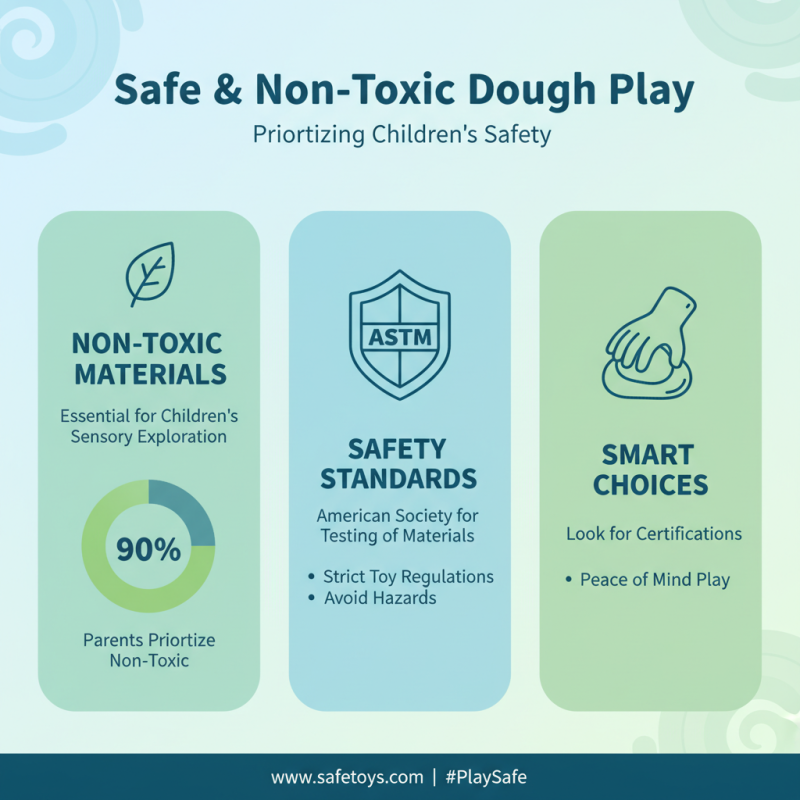
When choosing dough toys, safety is paramount. Children often explore with their senses, and non-toxic options are essential. The American Society for Testing and Materials (ASTM) highlights that toys should meet strict safety standards to avoid hazards. Research shows that approximately 90% of parents prioritize non-toxic materials when selecting play items. This statistic underscores the demand for safer play experiences.

In your search for the best dough toys, consider those labeled as “free from harmful chemicals.” Look for options made from natural ingredients. Common materials like flour, water, and salt provide safe alternatives. Ensure that the dough is biodegradable and easy to clean up. An important tip: always check ingredient lists. Doing this prevents exposure to allergens or irritants.

While most dough toys on the market are safe, it’s crucial to remain vigilant. Some products may still contain hidden toxins. Inspect packaging for safety certifications like CE or ASTM labels. Moreover, homemade dough is a great option, but ensure it’s stored properly to maintain its safety. Experimenting with different recipes can result in both fun and educational projects. Always remember to supervise play, especially for younger children. This ensures a creative yet safe environment.