How to Choose the Best Children Toys for Every Age Group?
Choosing the best Children Toys for various age groups can be daunting. Dr. Emily Parker, a renowned child psychologist, once said, “The right toy can ignite a child's imagination and foster growth.” This highlights the significance of selecting age-appropriate toys.
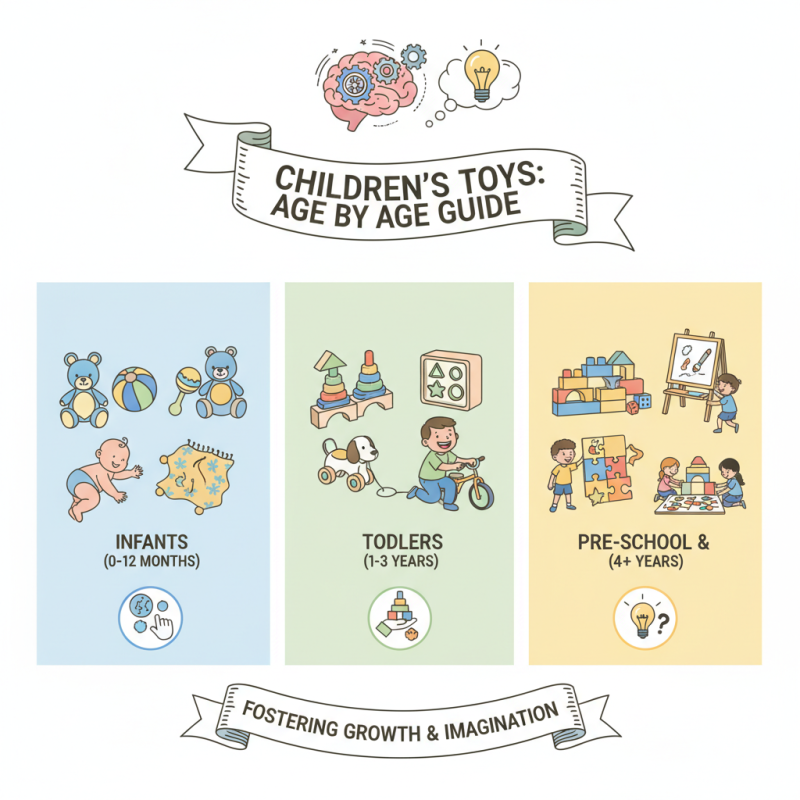
Different age groups have unique developmental needs. For infants, soft toys that stimulate sensory exploration are ideal. Toddlers benefit from toys that enhance motor skills. As children grow, they require more complex toys to challenge their creativity and critical thinking. However, many parents overlook these important considerations.
Additionally, the market is flooded with options. It can be tempting to choose popular toys without understanding a child's needs. Uninformed choices may lead to waste and disappointment. Parents should reflect on what truly benefits their child's development. Thoughtful selection of Children Toys can make a lasting impact.
Understanding the Developmental Stages of Children
Understanding the developmental stages of children is crucial for selecting the right toys. As children grow, their play needs vary significantly. For infants, sensory toys that promote touch, sight, and sound are essential. Toys like rattles and soft blocks help engage their senses and stimulate brain development. According to the American Academy of Pediatrics, play in the first year is linked to cognitive growth.
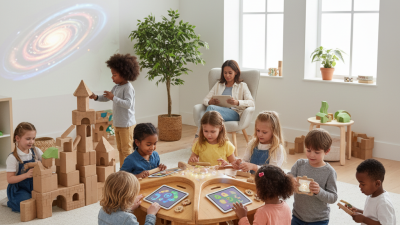
Toddlers, aged 1-3, benefit from toys that encourage exploration and discovery. Building blocks and simple puzzles enhance their motor skills and problem-solving ability. Studies indicate that open-ended play fosters creativity. However, some caregivers might prioritize entertainment over educational value, missing out on developmental opportunities.
Preschoolers crave social interaction through play. Role-playing toys can spark imagination and improve language skills. While screens are tempting, the American Psychological Association advises limiting screen time for this age group. Parents should reflect on how toys cultivate healthy social behaviors. Ultimately, understanding these stages leads to better choices in toy selection.
Selecting Engaging and Educational Toys for Preschoolers
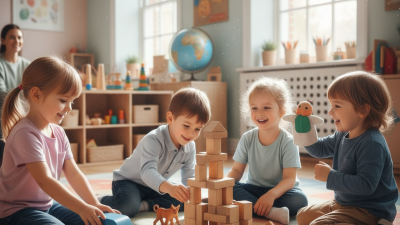
Selecting toys for preschoolers can be a challenging task. At this age, children are curious and eager to explore the world. Toys should be engaging and spark their imagination. Look for items that encourage creative play, such as building blocks or art supplies. Simple puzzles can also help develop problem-solving skills.
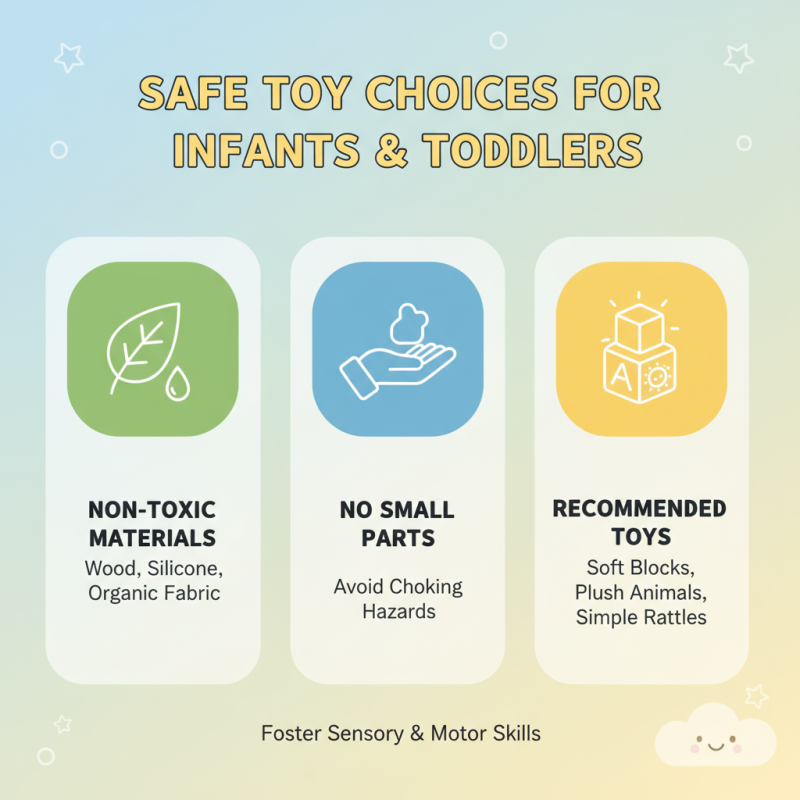
Safety is crucial when choosing toys. Avoid items with small parts that can pose choking hazards. Opt for brightly colored, durable materials that can withstand rough play. Interactive toys like those that make sounds or encourage movement can keep kids engaged. However, too many flashy toys can be overwhelming, leading to frustration rather than fun.
Parents often face the dilemma of choosing stimulating versus educational toys. Sometimes it feels like a balancing act. A toy might be entertaining but lacks developmental value. Reflect on what your child enjoys. Not every toy has to be educational. A simple doll or action figure can foster creativity and storytelling. The key is to provide a mix that will allow for both learning and pure enjoyment.
How to Choose the Best Children Toys for Every Age Group
Choosing Safe and Interactive Toys for School-Aged Children
Choosing toys for school-aged children requires careful thought.
Interactive toys stimulate creativity and encourage social skills.
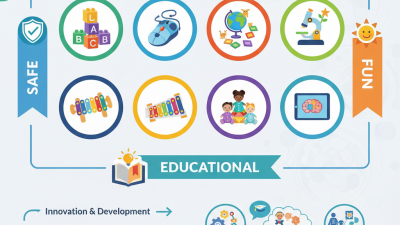
Safe toys are essential for children's well-being.
Look for age-appropriate designs to ensure fun and engagement.
Tips: Check labels for safety certifications.
Look for toys made from non-toxic materials.
Avoid small parts to reduce choking hazards.
Consider the child's interests. Some kids love building, while others enjoy arts.
A mix of toys can support different skills.
A well-rounded selection enhances learning and development.
Tips: Observe how your child interacts with toys.
If they lose interest quickly, rethink your choices. Always encourage play that inspires curiosity
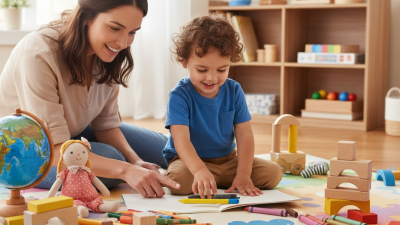
and problem-solving. Engage with your child during playtime.
It can create lasting memories.
Evaluating Creative and Challenging Toys for Preteens and Teens
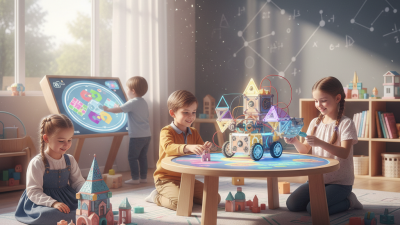
When selecting toys for preteens and teens, creativity and challenge stand out. According to the American Psychological Association, engaging in creative play enhances problem-solving skills and imagination. Toys that promote critical thinking are essential. STEM-focused kits, puzzles, and art supplies can be excellent choices. They encourage innovation and teamwork, critical in this age group.
Research indicates that 70% of teens favor toys that offer a challenge. These toys push boundaries and inspire learning. Robotics kits and interactive science projects captivate interest. They invite exploration and can sometimes feel overwhelming. It’s vital to choose items that don't just entertain but also educate. Balancing fun with learning experiences can be tricky.
Despite these insights, some toys may fall short. Not every popular item effectively engages the mind. Randomly selecting toys based on trends can lead to waste. Often, the most impactful toys are those that require active participation. It’s essential to reflect on the long-term benefits toys may provide. Carefully assessing the suitability of each option can lead to more meaningful choices.