How to Choose the Best Children Toys for Global Sourcing?
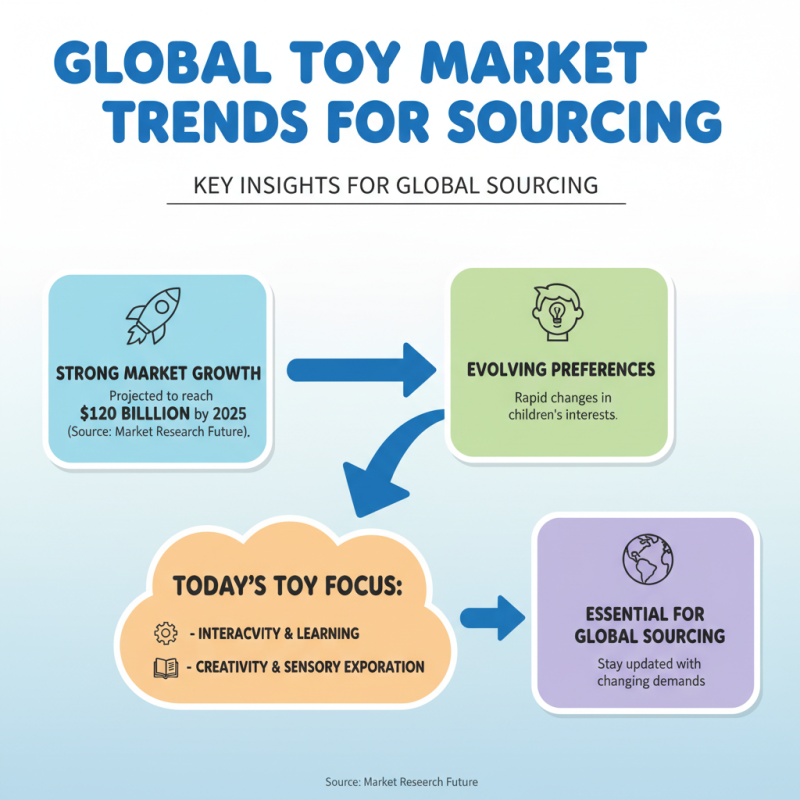
When it comes to sourcing Children Toys globally, the choices can be overwhelming. The toy industry is expected to grow significantly, with reports indicating a market size of over $100 billion by 2025. Understanding how to select the best products is crucial for success. Expert Sarah Johnson, a renowned figure in the toy industry, states, "Quality and safety should always come first in children's toys." Her insight underscores the importance of evaluating materials and safety standards.
Sourcing strategies must consider not only cost but also educational value and playability. Parents and caregivers seek toys that stimulate creativity and development. A recent survey showed that 80% of parents prioritize educational toys. However, navigating through numerous options can lead to confusion. It’s essential to reflect on brand reputation and compliance with safety regulations.
Amid the vibrant market, missteps can occur. Some companies may overlook quality for price, risking brand loyalty. Transparency in sourcing is vital. Prioritizing ethical practices will not only enhance a brand's image but also foster customer trust. The journey to select the best Children Toys involves careful consideration, reflecting both market trends and consumer needs.

Understanding the Importance of Quality and Safety in Children's Toys
When sourcing toys for children, quality and safety are paramount. Data shows that nearly 200,000 toy-related injuries occur each year in the U.S. alone. This highlights the need for rigorous safety standards. In 2020, the Consumer Product Safety Commission (CPSC) reported that nearly 85% of toy recalls were due to safety hazards. Ensuring compliance with safety regulations is crucial.
Materials play a significant role in toy safety. Non-toxic materials are essential for children's health. Reports indicate that toys made from safer plastics and natural materials have gained popularity. Parents increasingly seek toys that are free from harmful chemicals. In fact, a survey found that 95% of parents prioritize safe materials when choosing toys. This reflects a growing awareness of potential risks.
Manufacturers must prioritize quality control. An unexpected defect can lead to serious injuries or recalls. Regular testing for durability, choking hazards, and toxic substances is essential. Even with established safety measures, lapses can occur. Reflecting on past incidents can guide future improvements. As the market evolves, commitment to safety remains vital for building trust with consumers.
Evaluating Supplier Reputation and Manufacturing Practices
When evaluating suppliers for children's toys, reputation is paramount. A supplier's standing impacts product quality and safety. According to a report by the International Toy Industry, 85% of toy recalls are due to safety issues. This statistic underscores the need for thorough research into a supplier's track record. Look for certifications, industry awards, and customer reviews to gauge reliability.
Manufacturing practices also warrant careful examination. A study from the World Bank found that 70% of consumers prioritize eco-friendly production methods. Suppliers that adhere to sustainable practices often indicate a commitment to quality. Investigate the materials they use and their waste management systems. Ask for transparency in their manufacturing processes. This helps ensure compliance with safety standards.
Not all suppliers are equal, and more due diligence may be necessary. Sometimes suppliers present misleading information. Scrutinize their claims and seek third-party verification where applicable. Encountering discrepancies can lead to significant issues. The consequences of subpar toys can affect not only businesses but also children's safety. Choose wisely to foster trust and responsibility.
Comparing Pricing Strategies for Competitive Toy Sourcing
When comparing pricing strategies for competitive toy sourcing, it's essential to consider market trends. According to a report by The Toy Association, the global toy market was valued at approximately $90 billion in 2021, with steady growth projected. This data underscores the importance of adopting effective pricing strategies. For instance, cost-plus pricing may not always attract budget-conscious consumers.
Pricing fluctuations can significantly impact sourcing decisions. A study from IBISWorld highlights that toys priced between $10 to $30 represent around 50% of the market share. As a result, finding suppliers that offer competitive prices within this range is crucial. Negotiating bulk purchase discounts can enhance profit margins. Additionally, understanding local market demands can guide pricing models.
Have you considered the implications of seasonal variations on toy prices?
Market intelligence is vital for assessing potential suppliers. Reports show that transparency in costs often leads to more sustainable partnerships. While exploring new sourcing options, reflect on the ethical implications of your choices. Are the suppliers meeting safety and quality standards? In conclusion, focusing on competitive pricing while remaining aware of ethical sourcing can significantly impact your business strategy in the toy industry.
Assessing Compliance with International Toy Safety Standards
When sourcing children’s toys globally, compliance with international safety standards is crucial.
Different countries have their own regulations. Understanding these standards can seem daunting. Yet, it is essential to ensure toys are safe and suitable for children. Think about materials, components, and manufacturing processes. Harmful substances can lurk in unexpected places.
Testing is vital. Obtaining third-party verification can add credibility. However, not all testing agencies are equal. Researching their accreditation is necessary. Many manufacturers may claim compliance, but proof is key. Documentation should be clear and accessible. It’s easy to become overwhelmed by regulations. Devote time to understand local and international standards.
Not every product will meet every regulation. Flexibility is needed in the sourcing process. Sometimes, compromises may happen. A toy could be perfectly safe in one market but fail in another. Monitor trends and changes in safety guidelines. Build strong relationships with suppliers. Communication is paramount in addressing compliance questions. Regular audits and assessments can help maintain standards.