How to Use Building Block Techniques for Effective Learning Strategies?
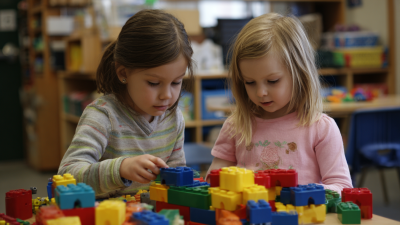
In today’s fast-paced learning environment, effective strategies are crucial for success. One approach gaining attention is the use of Building Block techniques. These methods allow learners to construct knowledge step by step. Each block represents a fundamental concept, gradually forming a comprehensive understanding.
Building Block techniques encourage active participation. Learners engage with materials actively, helping them retain information better. For example, when studying complex topics, breaking them into smaller parts simplifies the process. Yet, not all learners might adapt easily to this structure. Some may find it frustrating to limit their thoughts to single blocks.
Mistakes and setbacks are part of this learning journey. Embracing imperfections can enhance growth. Students often struggle with this concept. However, reflection on these challenges can lead to improved strategies. Understanding that mastery takes time is essential. Ultimately, Building Block techniques can foster a more profound learning experience when applied thoughtfully.
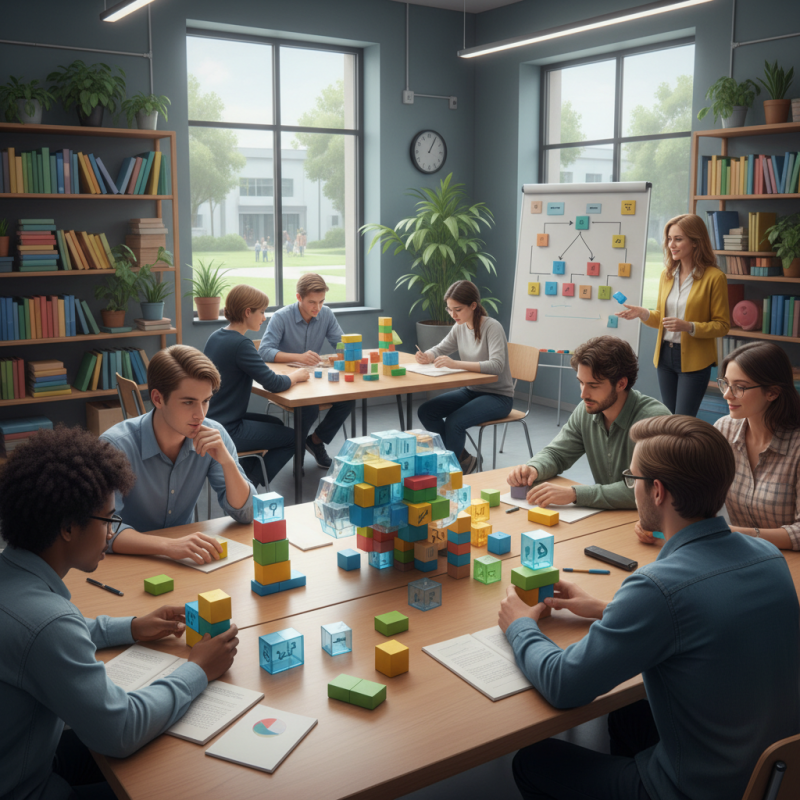
Understanding Building Block Techniques in Learning
Building block techniques are effective ways to enhance learning. This method involves breaking down complex topics into smaller, manageable parts. Each section builds on the previous one, creating a solid foundation of knowledge. Think of learning as constructing a house; each brick represents a concept. If one brick is weak, the entire structure may crumble.
Consider a challenging subject, like mathematics. Start with basic arithmetic before moving to algebra. Understand each principle thoroughly. Do not rush through the topics. Take time to practice problems and reflect on mistakes. Learning isn't a straight path; it has ups and downs. Embrace the setbacks as opportunities for growth.
Utilizing visual aids can also help. Diagrams, charts, and flashcards can illustrate relationships between concepts. These tools enhance retention. However, it’s crucial to avoid overloading your brain with information. Take breaks to rejuvenate your focus. If a technique doesn’t work, reassess your strategy. Flexibility in your approach allows for better adaptability in learning.
Effectiveness of Building Block Techniques for Learning Strategies
This bar chart illustrates the effectiveness of different building block techniques in learning strategies based on user feedback. The data reflects a survey of learners who rated each technique on a scale from 1 to 10, where 10 indicates maximum effectiveness.
Identifying Key Concepts for Effective Learning Strategies
Identifying key concepts is crucial for effective learning strategies. It helps break down complex information into manageable parts. By focusing on these main ideas, learners can organize their thoughts better. This also fosters deeper understanding. Sometimes, identifying these concepts can be challenging. You may overlook some essential points, or misinterpret them. Reflecting on this can lead to better recognition over time.
Tips: Start with summaries of your materials. Try to condense paragraphs into a few sentences. This helps highlight key themes. Use color codes for different concepts. Visual aids can enhance memory retention. Simple diagrams or charts may clarify relationships among ideas.
When you identify key concepts, practice active engagement. Ask questions about each idea. How does it relate to what you already know? This could uncover gaps in your understanding. Engage with peers to discuss these concepts. Sharing different perspectives can deepen your insight. Remember, it’s okay to struggle sometimes. Each challenge can lead to growth and improvement.
Organizing Content into Manageable Units
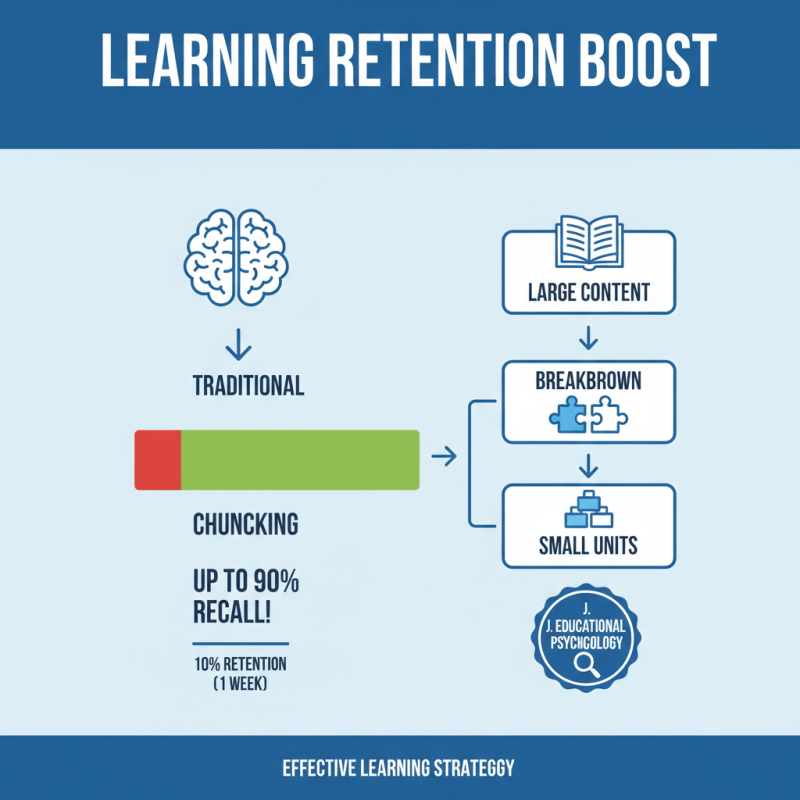
Organizing content into manageable units is key for effective learning. Research shows that learners retain only 10% of information after a week. However, breaking down material into smaller chunks boosts retention. A study published in the "Journal of Educational Psychology" found that chunking can increase recall rates by up to 90%.
Effective learning techniques often involve creating blocks of information. Each block should contain similar concepts or ideas. This method helps students focus better. For instance, organizing a topic into main ideas and supporting details can clarify understanding. Yet, some learners may struggle with this approach. They might feel overwhelmed when categorizing complex topics.
Using building blocks encourages active learning. By engaging with smaller units, learners can make deeper connections. However, it is essential to recognize personal challenges in this strategy. Sometimes, a chunk might feel too large or confusing. Over time, refinement in how we organize content is necessary. This process is not always smooth but is crucial for mastering new material.
Implementing Active Learning through Building Blocks
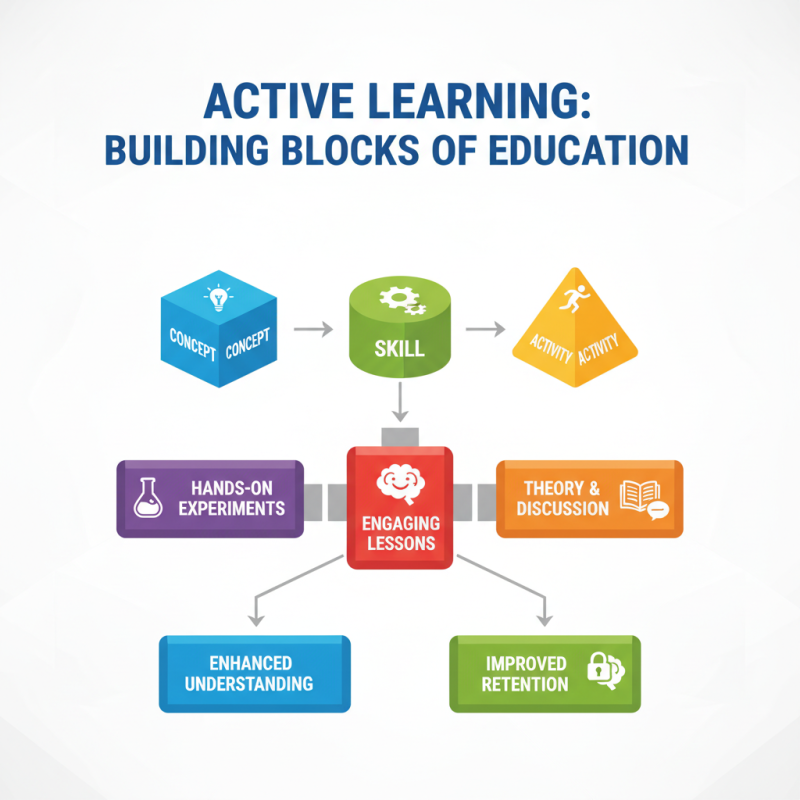
Active learning can transform your approach to education. Building blocks serve as effective tools for creating engaging lessons. Each block represents a concept, skill, or activity. When combined, they form a comprehensive learning experience. For instance, a science lesson can include hands-on experiments alongside theoretical discussions. This mix enhances understanding and retention.
Students often struggle with traditional learning methods. They may find it hard to connect abstract concepts to real-life situations. Using building blocks addresses this challenge. By incorporating multimedia, teamwork, and problem-solving activities, learners become active participants. Imagine a classroom where students collaborate to solve a real-world problem. The excitement and engagement levels rise.
However, implementing these techniques is not always smooth. Some students may resist new methods. Others might feel overwhelmed by the interactive approach. Reflection is vital. Educators need to assess what works. Tweaking activities or introducing more guidance could be the key. Building block techniques require effort, but the potential benefits are significant.
Evaluating the Effectiveness of Learning Strategies
In evaluating the effectiveness of learning strategies, it's crucial to look at data-driven insights. A study by the National Training Laboratory found that retention rates improve significantly when active learning techniques are employed. For instance, learners who engage in hands-on activities retain 75% of the material, compared to only 5% through traditional lectures. This stark contrast highlights the importance of choosing strategies that actively involve students.
However, not all techniques work equally for everyone. Individual learning preferences vary widely. For instance, visual learners might struggle with auditory information, while kinesthetic learners might find reading challenging. A survey from the American Psychological Association indicated that over 40% of students feel disengaged during conventional teaching methods. It raises questions about the fit of these learning strategies for diverse populations.
Furthermore, the implementation of these building block techniques can be inconsistent. Even among experienced educators, there is uncertainty on which strategies yield the best results. This inconsistency can lead to mixed outcomes. Continuous assessment and adaptation are essential. It's important to gather feedback and adjust the methods to enhance effectiveness over time.