Best Play Dough Options for Creative Kids Worldwide?
When it comes to fostering creativity in children, Play Dough stands out as a beloved tool. A recent report by the National Association for the Education of Young Children states that activities involving Play Dough can significantly enhance fine motor skills and imaginative play. Renowned child development expert Dr. Lisa Murphy emphasizes this point, stating, “Play Dough is an essential medium for learning through sensory exploration.”
The global Play Dough market continues to grow, with a projected annual growth rate of 5.3% over the next five years. This reflects a rising interest in hands-on, creative activities for kids. Beyond mere entertainment, Play Dough can improve cognitive abilities and emotional expression. It encourages children to explore textures and colors, fueling their imagination.
However, not all Play Dough options are created equal. Some brands contain harmful materials, raising concerns for parents. Identifying safe and non-toxic options is crucial. As families across the world seek high-quality Play Dough for their kids, the choices can sometimes be overwhelming. It’s vital to balance creativity with safety to ensure a positive experience.
Top Characteristics of High-Quality Play Dough for Kids
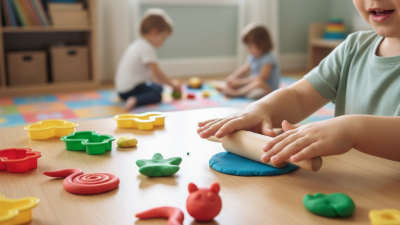
When choosing play dough for children, the quality matters significantly. High-quality play dough should be soft and easy to mold. It should not harden quickly after use. Children can shape, squish, and create freely. This encourages their creativity and fine motor skills. A vibrant color palette can captivate young imaginations. Rich hues invite endless possibilities for creative play.
Another essential characteristic is safety. Non-toxic ingredients should always be prioritized. Parents can have peace of mind while their kids explore textures and shapes. Additionally, high-quality play dough needs to be stain-resistant. This is crucial for keeping clothes and surfaces clean. Some brands may promise to be easy to clean, but parents should test this themselves.
Lastly, flexibility in usage is vital. Play dough that can be used in various environments—like home, school, or outdoor settings—adds value. Consider how well it holds up to different conditions. Will it dry out if left uncovered? These are important questions for effective play. It’s always good to reflect on experiences with different products and adjust accordingly.
Popular Play Dough Brands Around the World
When it comes to choosing play dough, variety is key. Different regions boast unique brands that cater to various needs. In Asia, for instance, you'll find soft and vibrant options that often incorporate natural ingredients. These doughs are easy to mold and are generally kid-friendly. In contrast, European brands might focus on eco-conscious materials, ensuring safety and sustainability.
Parents often express preferences based on their children's activities. Some brands are designed for sensory play, encouraging exploration through texture and color. Others might crumble too easily, risking frustration rather than creativity. It’s crucial to consider your child’s age and interests when selecting play dough. Not all options will suit every child.
Creative expression is important in a child's development. While many brands tout their benefits, real-world experiences vary. One child may thrive with a particular brand that others find too sticky. This inconsistency highlights the necessity for parents to try different options. By exploring various choices, they can find the best fit for their little artists. Ultimately, play dough should be a source of joy and creativity, despite the occasional mess it may create.
Best Play Dough Options for Creative Kids Worldwide
Creative Play Dough Recipes to Try at Home
Creative play dough recipes are a fantastic way to enhance children's creativity at home. According to a study by the American Journal of Play, engaging in tactile activities boosts fine motor skills and cognitive function in young children. Making homemade play dough allows kids to explore textures and colors while developing essential skills.
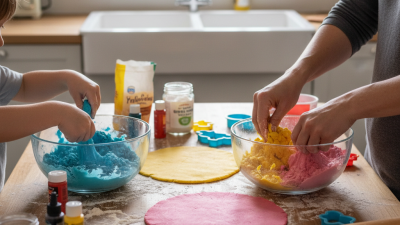
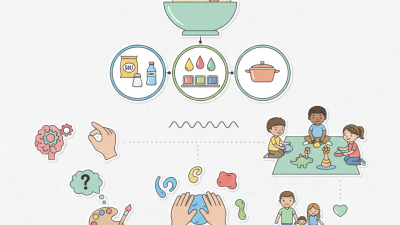
A basic play dough recipe involves mixing flour, salt, water, and food coloring. You can adjust the texture by varying the water amount. Encourage kids to experiment by adding essential oils for scent or glitter for sparkle. These additions not only make the dough more appealing but also ignite their imagination.
While it’s easy to find simple recipes online, creating play dough could come with challenges. Sometimes, the dough might turn out too sticky or too dry. Encouraging children to troubleshoot these issues is part of the learning process. Allow them to add more flour or water as needed. Such experiences teach patience and problem-solving.
Always supervise children during play. Some kids may have allergies to specific ingredients. Opt for gluten-free alternatives like cornstarch and air-dry clay if necessary. Creative play should always be safe for everyone involved, so remain aware of each child's specific needs.
Benefits of Play Dough for Children's Development
Play dough is more than just a fun activity. It significantly aids children's development. Research shows that manipulating play dough enhances fine motor skills. These skills are crucial for tasks like writing and using scissors. A study published in the Journal of Occupational Therapy found that children who played with modeling materials improved their dexterity by 30% over three months.
Moreover, play dough encourages creativity and expression. When children mold and shape the dough, they explore their imagination. They create various forms, which boosts their cognitive skills. According to a report by the American Academy of Pediatrics, this type of unstructured play is essential for brain development. It allows children to experiment and engage in problem-solving.
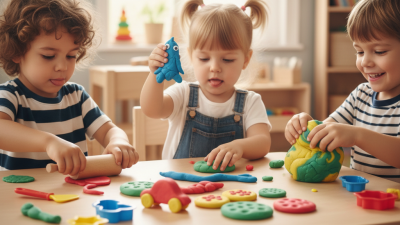
Social skills also benefit from play dough activities. When children play together, they learn to share and collaborate. They communicate their ideas and work towards a common goal. However, adult supervision is needed to guide interactions effectively. Some conflicts may arise, reflecting the need for teaching conflict resolution. Such moments can serve as valuable lessons in teamwork and empathy.
Safety Considerations When Choosing Play Dough for Kids
When selecting play dough for kids, safety is paramount. Many products on the market contain harmful chemicals that can pose a risk to children's health. Parents should closely examine ingredient labels. Look for non-toxic options, ideally free from allergens like gluten. Always prefer products that comply with safety standards to ensure a secure play environment.
Another risk to consider is the potential for choking hazards. Some play doughs, especially those that come with small accessories, can be unsafe for younger children. Opt for doughs that are larger and brightly colored, making them easily recognizable. It is also wise to supervise playtime, ensuring kids use play dough safely.
Additionally, consider the sensory experience. Some doughs may stain clothes or surfaces, creating messes that can be hard to clean. Eco-friendly options might be less colorful but safer for the environment. Reflect on your child's habits. They might tend to taste everything, making it crucial to choose the safest play dough available. Always prioritize safety and creativity in their playtime experience.
Best Play Dough Options for Creative Kids Worldwide - Safety Considerations When Choosing Play Dough for Kids
| Play Dough Type |
Main Ingredients |
Non-Toxic |
Aromatic |
Gluten-Free |
Recommended Age |
| Classic Play Dough |
Flour, Water, Salt, Cream of Tartar |
Yes |
No |
No |
2+ |
| Natural Play Dough |
Organic Flour, Natural Dyes, Essential Oils |
Yes |
Yes |
Yes |
3+ |
| Scented Play Dough |
Flour, Water, Fragrance, Salt |
Yes |
Yes |
No |
4+ |
| Gluten-Free Play Dough |
Rice Flour, Coconut Oil, Salt |
Yes |
No |
Yes |
2+ |
| Edible Play Dough |
Peanut Butter, Powdered Sugar, Honey |
Yes |
No |
No |
1+ |