Best Clay Toys for Creative Play and Learning for Kids?
Clay toys are a beloved medium for children's creative expression and learning. According to a report by the Toy Association, clay toys represent a significant segment of the educational toy market, valued at over $300 million in 2021. Experts highlight how these toys enhance motor skills and creativity. Dr. Emily Carter, a child development specialist, states, "Clay toys allow children to explore their imagination while developing essential skills."
Crafting with clay offers a tactile experience that fuels creativity. Children can mold and shape their ideas into tangible forms. Research indicates that engaging in such hands-on activities improves cognitive development in young minds. However, not all clay toys are created equally. Parents must be discerning, looking for non-toxic materials and age-appropriate options.
While the market is rich with varieties, some products lack quality and safety standards. This can pose risks for children. It's vital for caregivers to choose reputable brands. Even desired toys can fall short of expectations. This reinforces the need for careful evaluation and feedback from other parents. Finding the best clay toys means navigating options wisely.
Types of Clay Toys: Exploring Different Materials and Designs
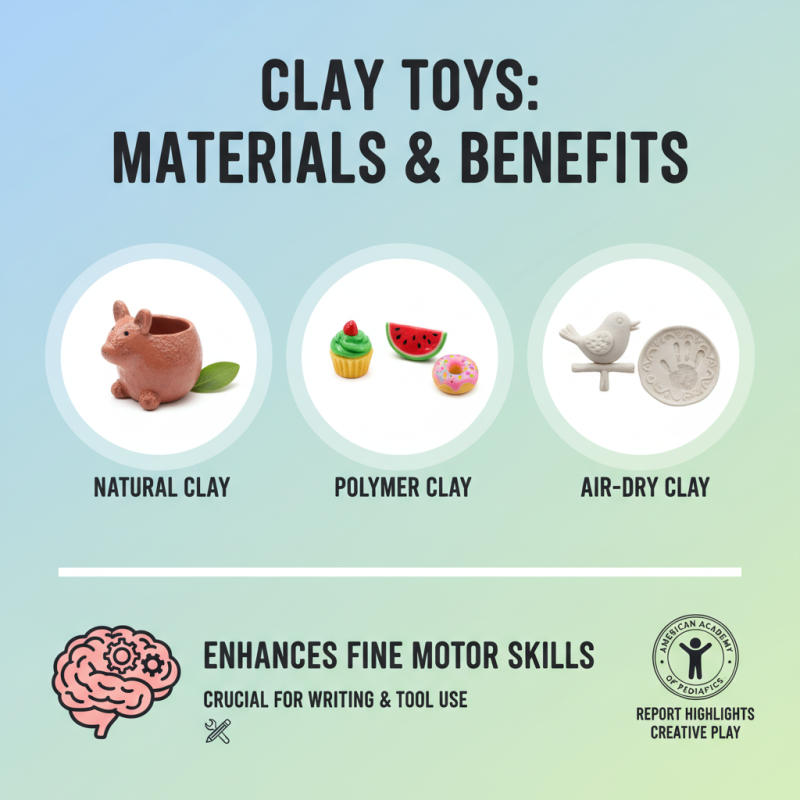
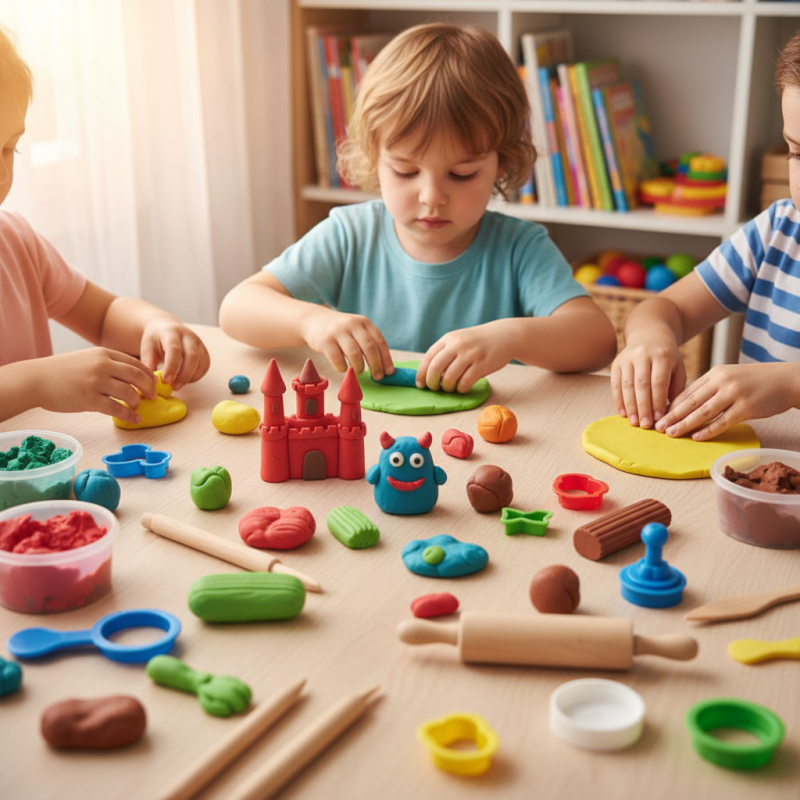
When exploring the world of clay toys, various materials and designs come into play. Clay itself offers diverse options such as natural clay, polymer clay, and air-dry clay, each providing unique textures and experiences for children. A report from the American Academy of Pediatrics highlights that creative activities like clay modeling can enhance fine motor skills in children. These skills are crucial for later tasks such as writing and using tools.
Natural clay is versatile. It allows kids to mold and shape their imaginations freely. However, it can be messy and may require adult supervision. Polymer clay, on the other hand, sets after baking, making it easier for kids to keep their creations intact. A study from the Journal of Childhood Development indicates that using polymer clay can also improve problem-solving skills. Despite these benefits, some children may struggle with the baking process, leading to frustration.
Air-dry clay simplifies the crafting experience. It allows for easy cleanup and doesn’t require an oven. Yet, it may not be as durable as its polymer counterpart. Recent surveys suggest that 45% of parents favor air-dry options for younger children. Still, frequent cracking can occur, which can be disappointing. Exploring various clay toys can lead to both joy and challenges, making it essential to choose the right material based on the child's age and skill level.
Benefits of Clay Play: Enhancing Creativity and Cognitive Skills
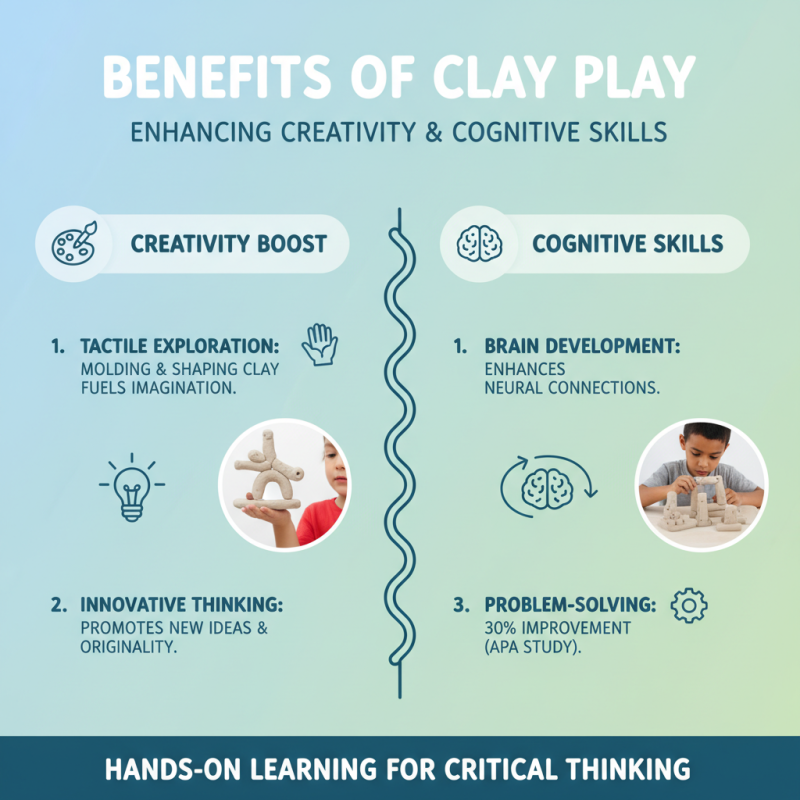
Clay play offers significant benefits for children's creativity and cognitive skills. Research shows that tactile activities, like molding and shaping clay, enhance brain development. According to a study by the American Psychological Association, children engaging in creative play show a 30% increase in problem-solving skills. This hands-on experience promotes critical thinking and innovation.
Utilizing clay also aids in fine motor skills development. Children strengthen their hand muscles while manipulating the material. A report from the National Association for the Education of Young Children highlights that such activities can improve coordination and dexterity. As kids roll, pinch, and flatten clay, they learn to control their movements better.
Beyond physical development, clay play encourages emotional expression. It provides a safe space for children to explore feelings. Some may struggle with verbal communication, but clay can be a bridge. Instead of always speaking, kids can create. This process often reveals their emotions and thoughts in powerful ways. They may create a joyful scene or express frustration through sculptures. It's important to notice that not all creations will be masterpieces; the focus should be on the process, not just the product.
Safety Considerations: Choosing Non-Toxic Clay for Children
When choosing clay toys for children, safety is paramount. Parents should look for non-toxic clay options. Many clays contain harmful chemicals. Reading labels is essential. Look for clays labeled as “non-toxic” or “safe for children.” These guarantees can help ensure the material is safe for play.
Consider the texture and scent of the clay. Natural clays often have earthy smells, unlike synthetic variants. A harsh chemical odor can indicate unsafe ingredients. If a product feels sticky or grainy, it may not provide the best sensory experience. Always check for any allergenic components as well. Kids can have unexpected reactions to certain materials.
Testing clay before purchase might be beneficial. It allows parents to assess the product's usability. If it crumbles easily, it may not be engaging for long hours of play. Children deserve safe, enjoyable experiences. The right choices can spark creativity and foster learning through art.
Comparison of Different Types of Non-Toxic Clay for Kids
Tips for Engaging Kids in Clay Activities: Encouraging Imagination
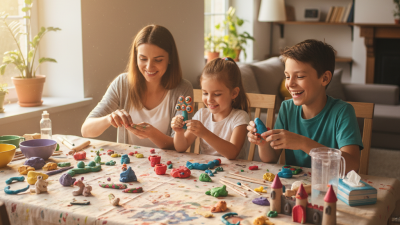
Engaging kids in clay activities helps spark their creativity and enhance their learning. Clay play offers children the chance to explore textures, colors, and forms. This sensory experience develops fine motor skills and encourages imaginative thinking.
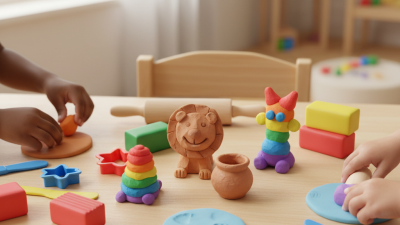
To engage kids effectively, offer them themes. For example, ask them to create animals or their favorite food. This gives a direction to their creativity and makes the activity more exciting. Providing various tools can enhance their experience. Simple items like cookie cutters or plastic knives can turn ordinary clay into extraordinary creations.
Encourage them to express their feelings through their clay models. Sometimes kids may create abstract shapes that don’t look like anything recognizable. This is okay. It allows for self-expression and reflection. Kids can learn to appreciate the fun in imperfection, understanding that art doesn’t always need to be perfect to be valuable.
Popular Clay Toy Brands: A Guide to the Best Options Available
When it comes to clay toys, several brands stand out in promoting creativity and learning among kids. According to a report by the International Toy Association, 75% of educators believe that creative play enhances cognitive development. This statistic emphasizes the importance of hands-on activities like modeling with clay. These materials encourage imagination and fine motor skills.
Popular options often include air-dry and polymer-based clays. Air-dry clay, for instance, is user-friendly and dries without baking. This feature makes it ideal for kids. On the other hand, polymer clay requires a little more guidance, but it offers more durability. Experts suggest that both types provide unique benefits that cater to different age groups and experiences.
Choosing the right clay toys can be overwhelming. Parents often wonder what suits their child's needs best. A survey by the American Educational Research Association found that kids aged 4-8 benefit most from tactile play. However, some parents find their children hesitant to engage. This could reflect the pressure to create "perfect" art. Emphasizing the fun of the process, rather than the result, can help alleviate that pressure, allowing for authentic creative expression.
Best Clay Toys for Creative Play and Learning for Kids
| Toy Type |
Recommended Age |
Key Features |
Learning Benefits |
Price Range |
| Modeling Clay |
3+ |
Non-toxic, pliable, vibrant colors |
Creativity, fine motor skills |
$10 - $25 |
| Air-Dry Clay |
5+ |
Lightweight, dries without baking |
Hands-on learning, artistic expression |
$15 - $30 |
| Modeling Tools Set |
4+ |
Includes molds and sculpting tools |
Problem-solving, hand-eye coordination |
$5 - $20 |
| Sculpting Clay |
6+ |
Soft and moldable with detailed textures |
Creative thinking, patience |
$12 - $40 |
| Play-Dough Kits |
3+ |
Pre-made, comes with tools and accessories |
Social skills, imaginative play |
$10 - $20 |