What is the Best Children Toys for Different Age Groups?
Choosing the right Children Toys for different age groups can be a challenge. Every child has unique needs. Understanding these needs helps parents make informed decisions.
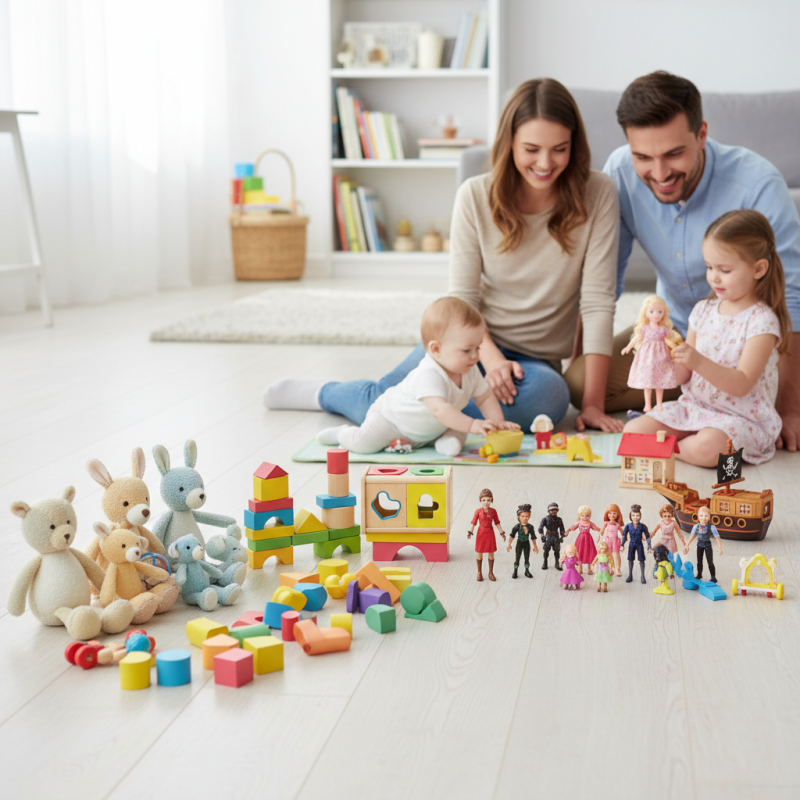
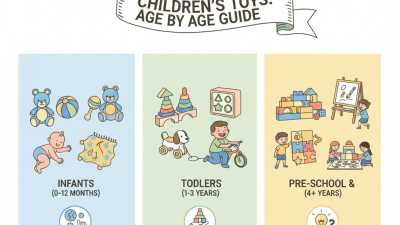
For infants, soft toys that stimulate their senses are ideal. As toddlers grow, they seek toys that promote motor skills. Simple blocks or shape sorters can engage them effectively. Preschoolers may enjoy imaginative play through dolls or action figures. At this stage, creativity flourishes.
However, parents often feel overwhelmed with choices. What works for one child may not work for another. It’s important to consider safety and developmental benefits. While some toys might be popular, they may not align with every child's interests. Reflecting on these aspects can lead to better choices in Children Toys.
Overview of Child Development Stages and Importance of Age-Appropriate Toys
Understanding child development stages is crucial for selecting age-appropriate toys. Infants require toys that stimulate their senses. Bright colors, soft textures, and gentle sounds attract their attention. Rattles and plush toys are perfect for this age. They help develop hand-eye coordination as babies grasp and shake them.
Toddlers, on the other hand, are developing mobility and curiosity. They enjoy toys that promote exploration and creativity. Building blocks and shape sorters help enhance their motor skills. During this stage, they might struggle with sharing. It’s normal for them to want toys to themselves. Encouraging cooperative play can be beneficial.
Preschoolers thrive on imaginative play. Their toys should promote storytelling and role-playing. Dolls, action figures, and art supplies are ideal. However, some children might show frustration when trying new activities. Allowing them space to express their feelings about toys is important. Playtime should not only be fun, but also a chance to learn emotional expression.
What is the Best Children Toys for Different Age Groups? - Overview of Child Development Stages and Importance of Age-Appropriate Toys
| Age Group |
Development Stage |
Recommended Toys |
Benefits |
| 0-1 Year |
Infant Development |
Soft Blocks, Rattles, Sensory Toys |
Stimulates senses and fine motor skills |
| 1-3 Years |
Toddler Development |
Building Blocks, Shape Sorters, Simple Puzzles |
Enhances cognitive skills and problem-solving |
| 3-5 Years |
Preschool Development |
Art Supplies, Role Play Sets, Educational Games |
Encourages creativity and social skills |
| 5-7 Years |
Early School Age |
Board Games, Science Kits, Building Sets |
Fosters teamwork, critical thinking, and learning |
| 8-12 Years |
Middle Childhood |
Tech Gadgets, Advanced Building Kits, Sports Equipment |
Develops cognitive abilities and physical coordination |
| 12+ Years |
Adolescence |
Video Games, Robotics Kits, DIY Projects |
Enhances technical skills and encourages independence |
Toys for Infants: Fostering Sensory Exploration and Motor Skills
When choosing toys for infants, sensory exploration is key. Babies are curious. They learn by touching, seeing, and listening. According to a report by the American Academy of Pediatrics, sensory play improves brain development. Toys that engage different senses help lay a strong foundation for future learning.
Soft fabric books and colorful rattles are great options. These toys stimulate vision and hearing. Textured toys encourage babies to explore with their hands. A study from the National Association for the Education of Young Children suggests that early motor skills are crucial. They help with crawling and later walking.
Tips for parents: Choose age-appropriate toys. Watch your baby's reactions. If they seem bored, switch out toys often. Limit distractions to help your baby focus. Also, make time for hands-on play. This helps in building fine motor skills. Remember, not every toy will captivate your baby. Be patient and enjoy the exploration together.
Toys for Toddlers: Encouraging Imaginative Play and Social Interaction
Toys for toddlers play a crucial role in their development. Imaginative play is essential for cognitive growth. A report from the American Academy of Pediatrics highlights that play improves language skills and social abilities. Toddlers often engage in role-playing activities. They imitate adults, exploring their environment creatively. This type of play fosters problem-solving skills.
Social interaction is another significant benefit. Toys that encourage cooperative play can lead to better communication among children. Research shows that children who play together tend to develop empathy at an earlier age. Simple toys, like blocks or dolls, allow them to share, negotiate, and express feelings. It's not just fun; it's education in disguise.
Choosing toys can be challenging. Many options claim to be the best, but not all offer the same value. Parents might feel overwhelmed by choices. Some toys can even stifle creativity by being too prescriptive. Reflecting on their child's specific needs is vital. Balancing fun with educational value can make a significant difference in their growth and learning.
Best Children Toys for Different Age Groups
Toys for School-Aged Children: Promoting Creativity and Problem-Solving Abilities
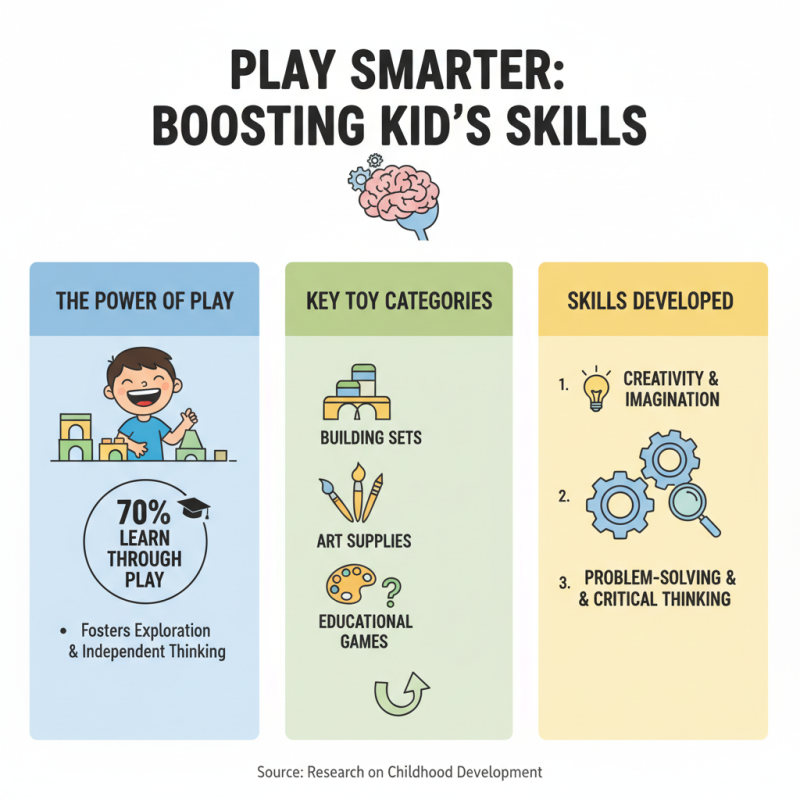
When it comes to school-aged children, the right toys can significantly boost creativity and problem-solving skills. Research shows that 70% of children learn best through play. Engaging toys encourage exploration and independent thinking. Building sets, art supplies, and educational games can stimulate a child's imagination and critical thinking.
Tips: Encourage kids to design their own games or puzzles. This fosters creativity. Give them open-ended materials. Allowing them to experiment promotes problem-solving skills.
Consider age-appropriate complexity. Toys that are too simple may not engage older kids. Conversely, overly complicated toys can frustrate younger ones. The balance is crucial. For instance, STEM (Science, Technology, Engineering, and Mathematics) kits cater to varied age ranges, making them a popular choice. However, keep in mind that children may lose interest if a toy lacks challenge or novelty.
With 60% of parents prioritizing educational value in toys, finding the right mix is essential. Investing in toys that inspire children can lead to enhanced skills. But be wary of an oversaturated toy box. Too many options can lead to confusion and distraction. Let them choose and discover their preferences; this self-guided exploration can be equally enlightening.