2026 Top Play Dough Trends You Need to Know About?
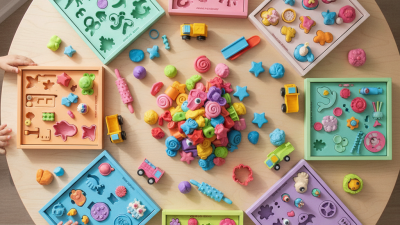
The world of Play Dough is constantly evolving. In 2026, a myriad of trends promises to excite children and adults alike. From eco-friendly formulas to vibrant colors, the options are endless. Play Dough is more than just a toy; it nurtures creativity and fine motor skills.
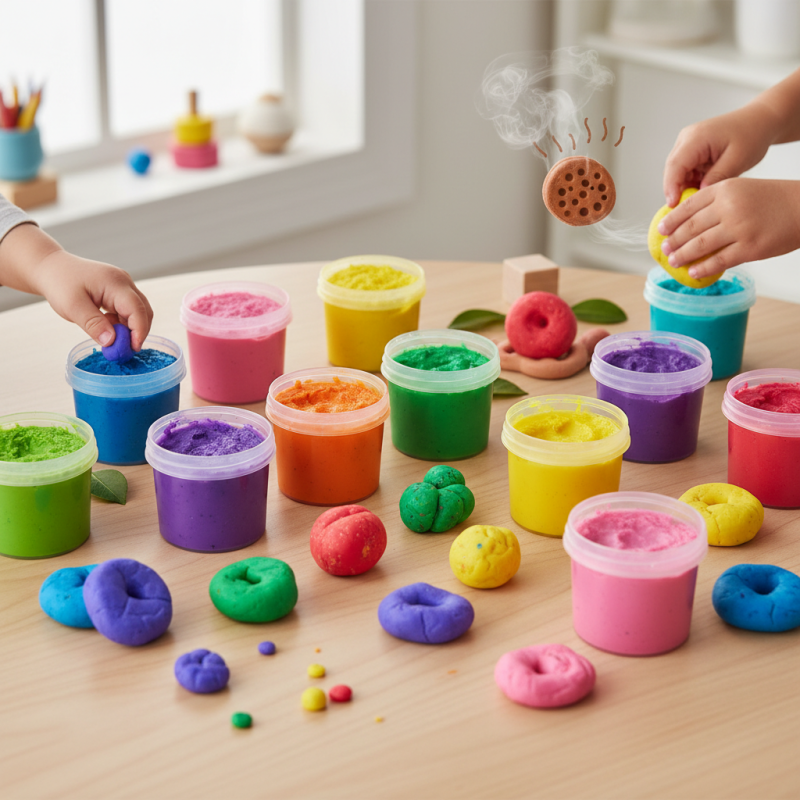
This year, we see innovative textures and scents enhancing the sensory experience. Imagine a Play Dough that smells like fresh baked cookies or a texture reminiscent of silky clay. These details inspire deeper engagement and playtime exploration. However, it’s crucial to consider safety and quality. Not all products will meet our expectations, leading to moments of disappointment.
As we dive into these trends, it’s vital to remain mindful. Some Play Dough options may appear appealing but lack longevity. With so many choices, reflection on what truly matters in play becomes essential. Embrace the joy, but also be discerning in selecting the best Play Dough for meaningful experiences.
Emerging Eco-Friendly Play Dough Materials for 2026
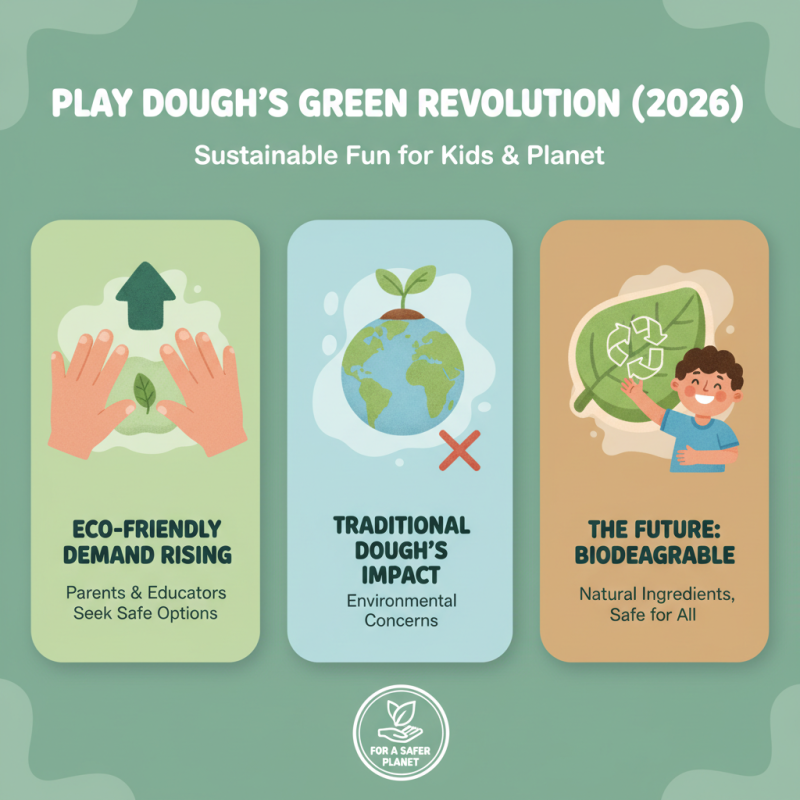
As we move towards 2026, the demand for eco-friendly play dough materials is rising. Parents and educators are increasingly aware of the environmental impact of traditional play dough. This shift reflects a desire to create safe, sustainable play environments for children. Biodegradable options made from natural ingredients are gaining traction. These materials are not only safe for kids but also for our planet.
Another trend is the use of plant-based colors and scents in play dough. Many families prefer products that reduce harmful chemicals. Crafting with organic elements can inspire creativity in children. However, some natural dyes may produce inconsistent colors. This inconsistency can be frustrating for both kids and parents. Another challenge lies in the shelf life of eco-friendly play dough. It often requires proper storage to remain usable for extended periods.
The educational aspect cannot be overlooked. Introducing children to eco-friendly practices through play is vital. This process can plant the seeds of environmental awareness early on. Yet, it's essential to consider that not all eco-friendly materials perform as expected. Finding the right balance between safety and functionality may need more exploration. Embracing these emerging trends means understanding the imperfections that come with them.
Innovative Textures and Formulas in Play Dough Development
As we look ahead to 2026, the play dough industry is set for transformation. Innovative textures and formulas are emerging, captivating both children and parents alike. According to recent reports, the market for sensory play products, including play dough, is projected to grow by 15% annually, reflecting increased demand for sensory-rich experiences.
New textures are being developed to provide varied and stimulating sensory experiences. For instance, some formulations incorporate foam beads for a lightweight, airy feel. Others blend soft, squishy elements to enhance tactile engagement. A study noted that 70% of children show improved fine motor skills when engaging with diverse textures. This statistic highlights the critical role play dough plays in developmental learning.
Moreover, eco-friendly formulas are gaining traction. There is a push for natural ingredients, reducing concerns about harmful chemicals. However, some products still struggle with shelf-life and preservation. Finding the right balance between safety and longevity remains a challenge. Addressing these issues could be key to captivating today's environmentally-conscious parents. The journey ahead is filled with potential, yet it demands careful consideration.
Play Dough Market Growth: Statistics and Projections for 2026
The play dough market is witnessing remarkable growth. According to a recent report, the global market is expected to reach $4 billion by 2026. This reflects a compound annual growth rate (CAGR) of around 7%. Parents are increasingly recognizing the educational benefits of play dough. It enhances creativity and fine motor skills in children.
Furthermore, trends indicate a rise in demand for natural and organic play dough options. A survey revealed that 65% of parents prefer non-toxic ingredients. This shift is shaping product development in the industry. The emphasis on sustainability is evident, with manufacturers exploring eco-friendly packaging solutions.
Despite this growth, challenges remain. The market faces increasing competition. New entrants often struggle to stand out. Additionally, pricing pressures may impact profitability. Balancing quality with affordability is crucial. As trends evolve, businesses must adapt quickly or risk falling behind. The play dough landscape is changing, and companies must reflect on their strategies to thrive.
The Rise of DIY Play Dough Kits: Consumer Trends and Preferences
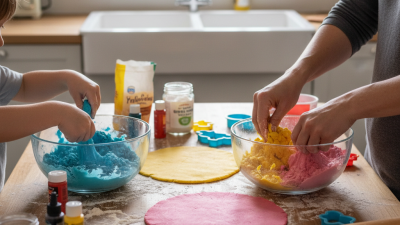
The trend of DIY play dough kits is rapidly gaining popularity among families and educators. Recent research indicates that 65% of parents prefer creative and hands-on activities for their children. This reflects a broader shift towards personalized learning experiences. Children can customize their dough, adding colors and scents to their preferences.
Furthermore, a recent industry report revealed that the DIY kit market is projected to grow by 30% over the next few years. This growth can be attributed to the rising demand for activities that promote sensory play. Many parents see this as a way to engage kids creatively. However, some express concerns about the quality and safety of materials used in kits. They want reassurance regarding non-toxic ingredients. This uncertainty highlights the need for clearer standards in the DIY market.
DIY play dough kits also offer opportunities for socialization. Friends can collaborate on projects, leading to better teamwork skills. Yet, the experience can sometimes be messy and time-consuming. Parents report mixed feelings about the cleanup that follows. Balancing creativity and practicality remains a challenge. As this trend evolves, it raises questions about sustainability and environmental impact too.
Safety Standards and Regulations Impacting Play Dough Production
When it comes to play dough production, safety standards are paramount. New regulations are reshaping the landscape. According to the Toy Industry Association, about 30% of play materials tested last year did not meet safety standards. This raises concerns for manufacturers and parents alike.
The U.S. Consumer Product Safety Commission (CPSC) emphasizes the importance of non-toxic materials. Many formulas now use plant-based ingredients, eliminating harmful chemicals. Reports indicate that over 60% of parents prioritize safety when choosing play dough. They seek products with clear ingredient labels and certifications. This shift in consumer preference is significant.
Innovation in production also follows suit. Some companies are turning to biodegradable materials. This process helps reduce environmental impact. Still, challenges exist. Adapting to new regulations can be costly. Smaller manufacturers may struggle to comply. Ensuring quality and safety must remain the focus. Without proper oversight, issues like contamination could arise. Navigating these changing standards is essential for future success in the play dough market.